Dairy Giants Unite: Arla and DMK Merger Creates Europe’s Cooperative Powerhouse

Arla Foods and DMK Group have finalized a merger creating Europe's largest dairy cooperative, controlling nearly 20 billion kilograms of annual milk supply. The merger aims to leverage DMK’s production capacity and Arla’s global ingredient expertise to dominate high-value sectors like infant and specialized nutrition.

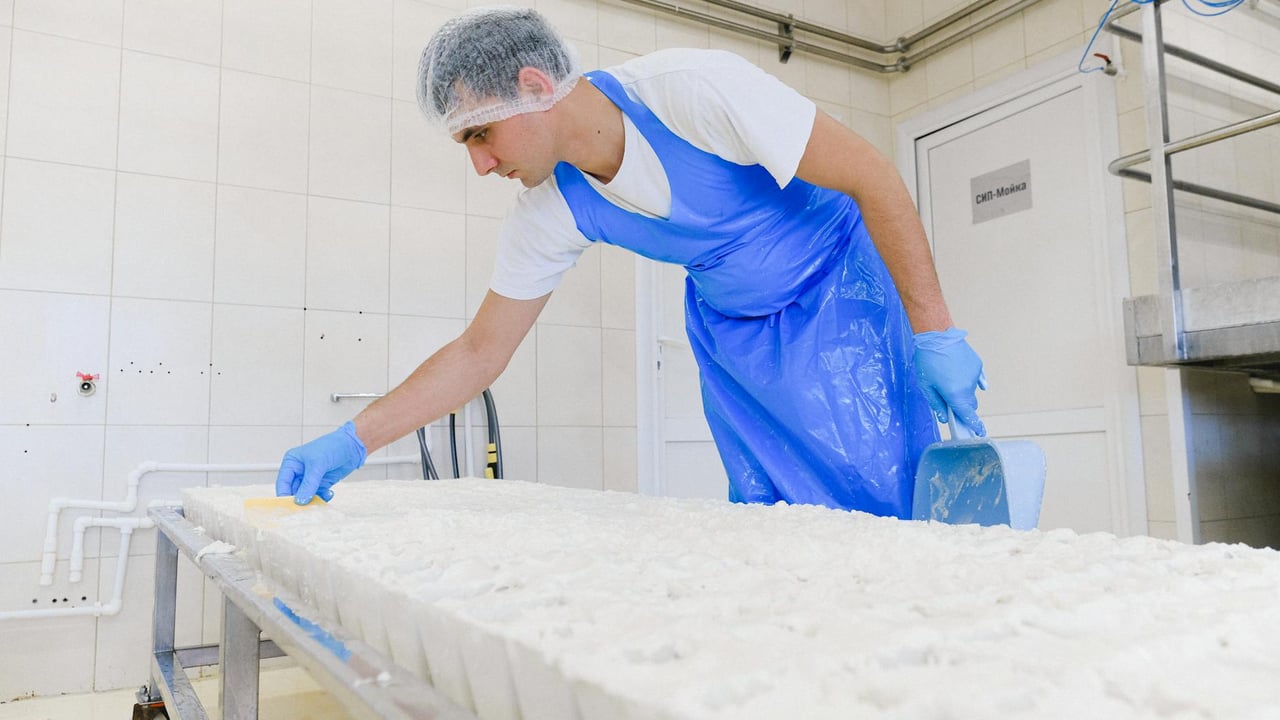
A cheese factory worker in protective gear managing cheese production in a hygienic environment.

Key Takeaways

  • 1Final regulatory approval received for the merger of Arla Foods and DMK Group.
  • 2The new entity becomes Europe's largest dairy cooperative with 11,200 member farmers.
  • 3Combined annual raw milk supply reaches approximately 19.4 billion kilograms.
  • 4Strategic focus will shift toward infant nutrition, specialized food ingredients, and operational efficiency.
  • 5The group will maintain the Arla Foods brand and be headquartered in Denmark.

Editor's
Desk

Strategic Analysis

This merger represents a significant 'scaling up' of the cooperative model to survive in an increasingly globalized and margin-thin industry. While Arla has long been a leader in dairy innovation, particularly in the Chinese and Middle Eastern markets, DMK brings massive German production capacity that was previously under-optimized on the global stage. By consolidating, they are not just seeking efficiency; they are creating a European champion capable of competing with the rapid expansion of Chinese dairy giants like Yili and Mengniu, who have been aggressive in overseas acquisitions. The move toward specialized nutrition—infant formula and bioactive ingredients—is a clear indication that the group recognizes that the future of dairy profitability lies in the laboratory rather than just the farm.

China Daily Brief Editorial
Strategic Insight
China Daily Brief

The European dairy sector has reached a defining moment of consolidation as Denmark’s Arla Foods and Germany’s DMK Group received the final regulatory green light to formalize their merger. The newly unified entity, which will retain the Arla Foods name and Danish headquarters, instantly becomes the largest dairy cooperative on the continent. This move signals a strategic shift towards massive scale as producers grapple with fluctuating commodity prices and tightening environmental regulations across the European Union.

By integrating over 11,200 dairy farmers across seven European nations, the merger creates a production powerhouse with an annual raw milk supply of 19.4 billion kilograms. This vast resource base is supported by a workforce of approximately 28,800 employees. The synergy is built on a pre-existing relationship through their joint venture, ArNoCo, which successfully married DMK’s cheese-making prowess with Arla’s specialized knowledge in global food ingredients.

Beyond simple volume, the merger is a play for high-margin dominance in specialized sectors. The new Arla Foods is poised to aggressively expand its footprint in infant nutrition, professional sports nutrition, and high-tech food ingredients. By streamlining supply chains and enhancing operational efficiencies, the cooperative aims to provide its farmer-owners with better price stability and a more competitive edge against global giants like Nestlé and Danone.

This consolidation also reflects a defensive posture against the growing influence of non-European dairy players, particularly from Oceania and emerging Chinese behemoths. As the dairy industry increasingly pivots toward value-added products rather than liquid milk alone, the Arla-DMK union provides the R&D budget and logistical reach necessary to dominate the global supermarket shelves of the future.

Share Article

Related Articles

📰
No related articles found