
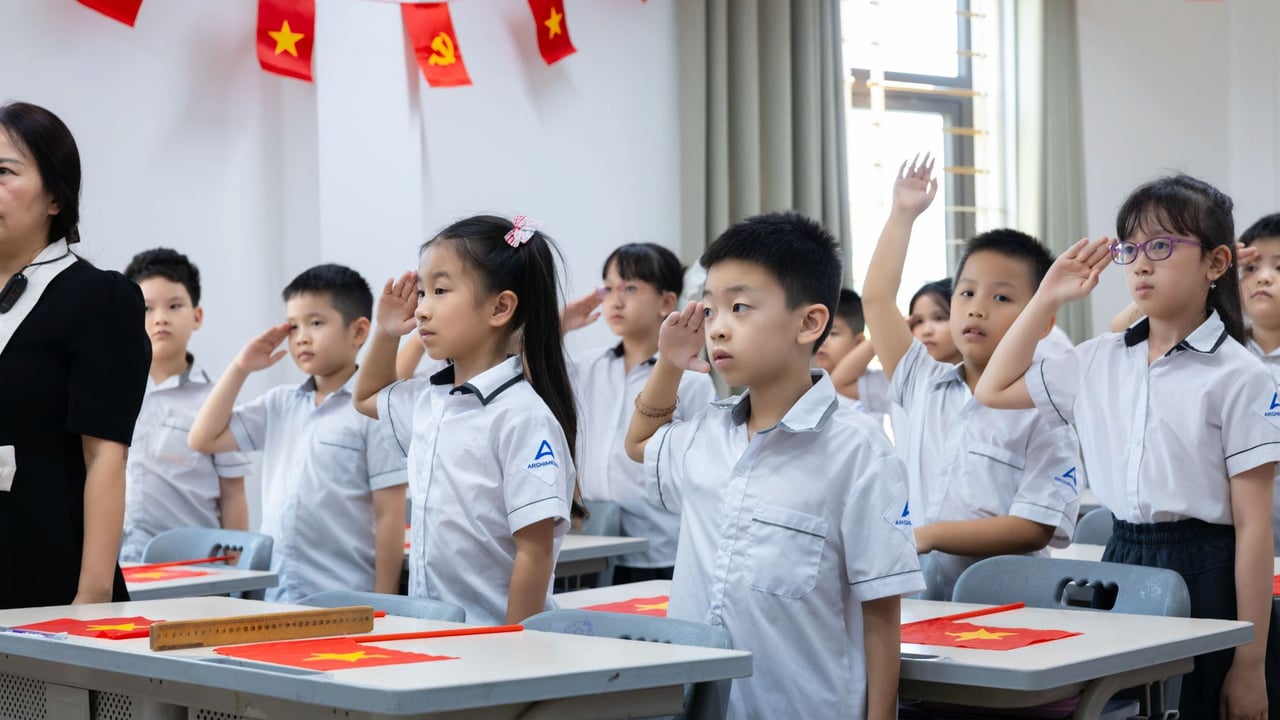

On June 1, as much of the world celebrates International Children’s Day with themes of play and innocence, China’s state-run military media is broadcasting a different message. The China Military Network, an influential ideological platform, has launched a series of features highlighting toddlers with "hardcore dreams" of joining the People’s Liberation Army (PLA). These narratives frame military service not as a distant adult obligation, but as a primary childhood aspiration.
This coordinated media push is a visible manifestation of Beijing’s broader "Patriotic Education" campaign, which has increasingly focused on the ideological grooming of the country’s youngest citizens. By showcasing young children in miniature uniforms expressing devotion to the "sons and brothers of the people"—a traditional moniker for the PLA—the state is reinforcing the central role of the military in the national psyche. This strategy aims to ensure that the "red gene" is passed down to a generation that has seen only relative prosperity and peace.
The timing and tone of these reports are significant, occurring under the shadow of the recently enacted Patriotic Education Law. This legislation mandates that patriotism be integrated into the national education system at all levels, from preschool through university. The celebration of "hardcore" military dreams among toddlers serves as a soft-power tool to normalize militarism and cultivate a future recruitment pool that is both ideologically loyal and prepared for national service.
In an era defined by intensifying geopolitical competition, these displays reflect a systemic effort to prepare the Chinese public for what leadership calls "complex challenges." By embedding the military into the celebratory context of Children's Day, the Communist Party effectively bridges the gap between family life and national defense. This ensures that the next generation views the party-state’s security objectives as personal, lifelong missions rather than external political mandates.