Beijing’s New Front: The Coast Guard’s Strategic Pivot to Taiwan’s East

The China Coast Guard has initiated law enforcement patrols east of Taiwan, effectively completing a maritime circle around the island. This move serves as a direct response to maritime boundary talks between Japan and the Philippines and asserts Beijing's claims to a 200-nautical-mile EEZ in the Western Pacific.

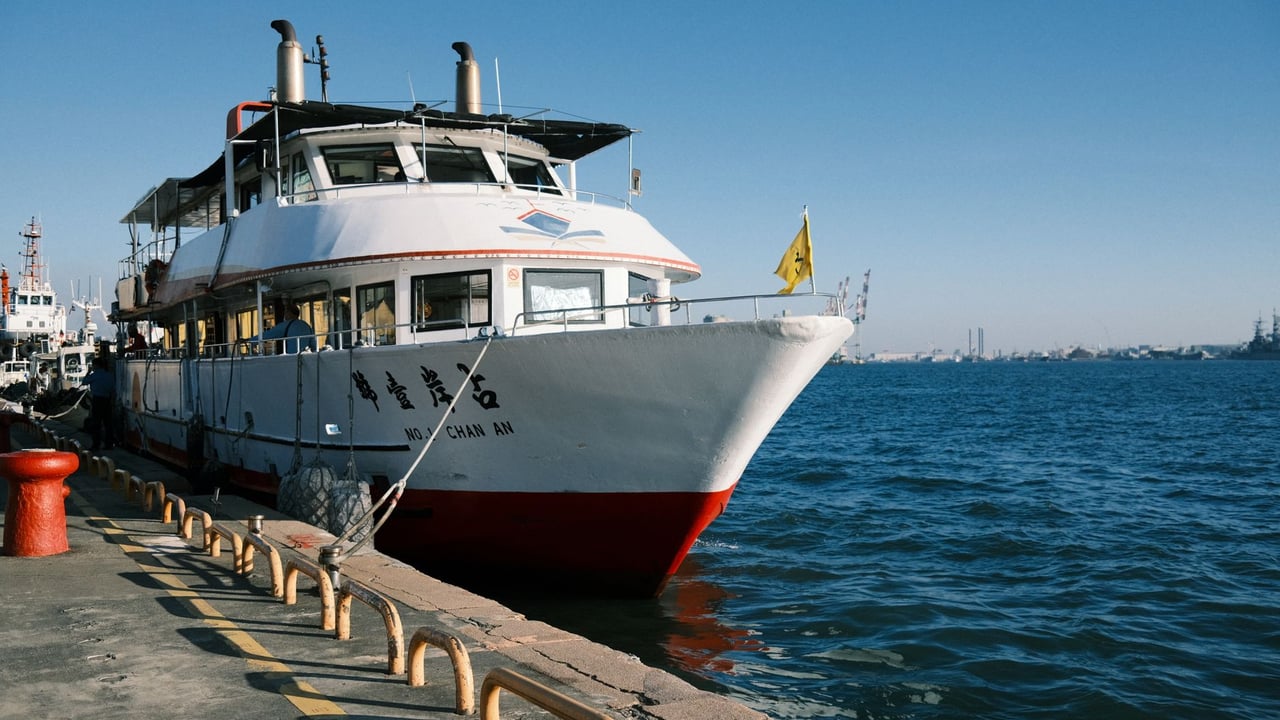
A passenger ferry docked at Kaohsiung Harbor, Taiwan, under a clear blue sky.

Key Takeaways

  • 1The China Coast Guard's Daishan fleet has established a new patrol presence in the sea east of Taiwan.
  • 2The operation is a retaliatory response to unilateral maritime boundary negotiations between Japan and the Philippines.
  • 3Beijing is utilizing domestic law to claim a 200-nautical-mile Exclusive Economic Zone and continental shelf rights based on its sovereignty claims over Taiwan.
  • 4This move marks the 'normalization' of Chinese law enforcement activity in the Western Pacific, previously a region with less frequent CCG presence.
  • 5The action creates a strategic 'encirclement' of Taiwan, moving beyond the Taiwan Strait into the broader Pacific.

Editor's
Desk

Strategic Analysis

This maneuver represents a classic application of 'grey zone' tactics, where Beijing uses non-military assets like the Coast Guard to achieve strategic objectives without triggering a full-scale military response. By framing the patrols as legitimate law enforcement against 'encroachment' by Japan and the Philippines, China is attempting to shift the burden of escalation onto its neighbors. This 'legal warfare' (safa) aims to erode the status quo by slowly expanding the footprint of Chinese jurisdiction. Strategically, this is about more than just Taiwan; it is a challenge to the 'First Island Chain' defense logic, signaling that China intends to project power and exercise administrative control well into the Philippine Sea.

China Daily Brief Editorial
Strategic Insight
China Daily Brief

Beijing has signaled a significant escalation in its maritime strategy by deploying a China Coast Guard (CCG) fleet to the waters east of Taiwan. This move effectively completes what state media describes as a total enforcement perimeter around the island, marking a shift from periodic military exercises to a regularized, jurisdictional presence under the guise of civil law enforcement.

The deployment of the Daishan fleet on June 1 is explicitly framed by Chinese authorities as a countermeasure against Japan and the Philippines. Both nations recently initiated maritime boundary negotiations in the Philippine Sea, an area Beijing considers its own sovereign backyard based on its claims over Taiwan and the Diaoyu Islands. By positioning its vessels in these waters, China is physically asserting its rejection of any regional boundary-setting that excludes its participation.

Underpinning this maneuver is a aggressive interpretation of the UN Convention on the Law of the Sea (UNCLOS) and China’s own domestic legislation. By asserting a 200-nautical-mile Exclusive Economic Zone (EEZ) extending from Taiwan's eastern coast, Beijing is attempting to codify its presence in the Western Pacific. This legalistic approach serves to challenge the maritime claims of its neighbors while reinforcing its narrative that Taiwan is an inseparable part of its territory.

This development suggests that the waters east of Taiwan—historically seen as a strategic 'backdoor' for the island's defense—are becoming a permanent theater of friction. As China normalizes these patrols, it creates a 'new normal' where international waters are increasingly treated as domestic jurisdictional zones. This strategy complicates freedom of navigation and places renewed pressure on the burgeoning security trilateral between Washington, Tokyo, and Manila.

Share Article

Related Articles

📰
No related articles found