
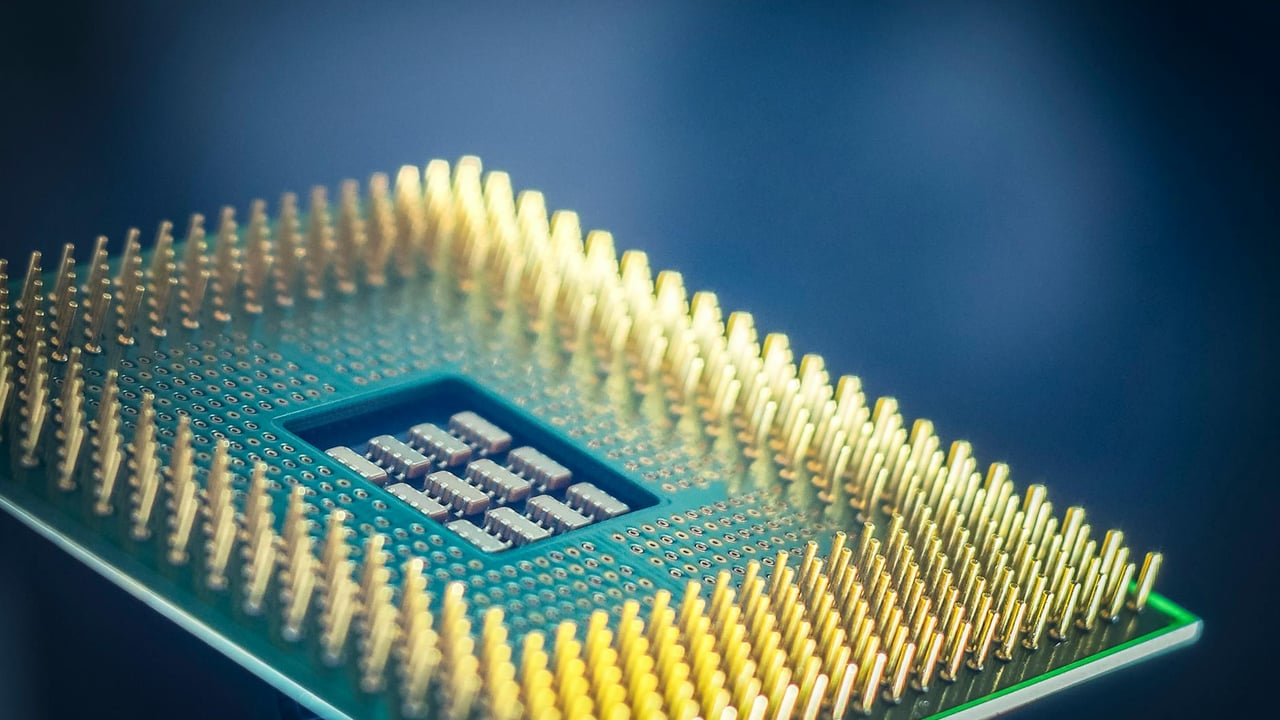

At the GTC Taipei 2026 conference, NVIDIA CEO Jensen Huang signaled a definitive end to the company's era as a mere graphics specialist. By unveiling a suite of high-performance processors led by the 'Vera' CPU and the 'RTX Spark' superchip, NVIDIA is mounting a direct assault on the traditional CPU dominance of Intel and AMD. This move represents more than just a product launch; it is a fundamental reconfiguration of the personal computing architecture that has remained largely static for decades.
The centerpiece of the announcement, NVIDIA Vera, is billed as the first CPU specifically architected for 'AI Agents.' According to NVIDIA, it outperforms traditional x86 processors by nearly double in tasks related to reinforcement learning and data processing. By positioning the CPU not as a general-purpose brain but as a specialized conductor for AI workflows, Huang is betting that the future of GDP growth will be measured in 'tokens' generated by autonomous agents rather than manual human input.
Equally disruptive is the RTX Spark (N1X), a three-in-one 'superchip' integrating CPU, GPU, and NPU capabilities onto a single 3nm die manufactured by TSMC. This chip, developed in collaboration with MediaTek and Arm, is designed to power a new category of 'Agent PCs'—ultra-thin laptops that function as localized AI factories. By partnering with heavyweights like Microsoft to optimize Windows for this hardware, NVIDIA is effectively cracking the historic 'Wintel' alliance, offering a viable ARM-based alternative that prioritizes AI inference over legacy compatibility.
NVIDIA’s ambitions also extend into the physical realm with a new humanoid robot reference design developed alongside China’s Unitree. The system integrates the H2Plus robot body with NVIDIA’s Isaac GR00T software, creating a standardized platform for researchers. This vertical integration—from the silicon powering the cloud to the 'brains' of a walking robot—underscores Huang’s vision of a world where NVIDIA silicon is the substrate for every facet of modern intelligence.
The competitive landscape is responding in kind. Intel simultaneously touted its Xeon 6 processors built on the cutting-edge 18A process, signaling that the silicon veterans will not cede the data center or the PC market without a fight. However, with NVIDIA now controlling the full stack from the driver level to the AI model itself, the barrier to entry for its rivals has never been higher.