
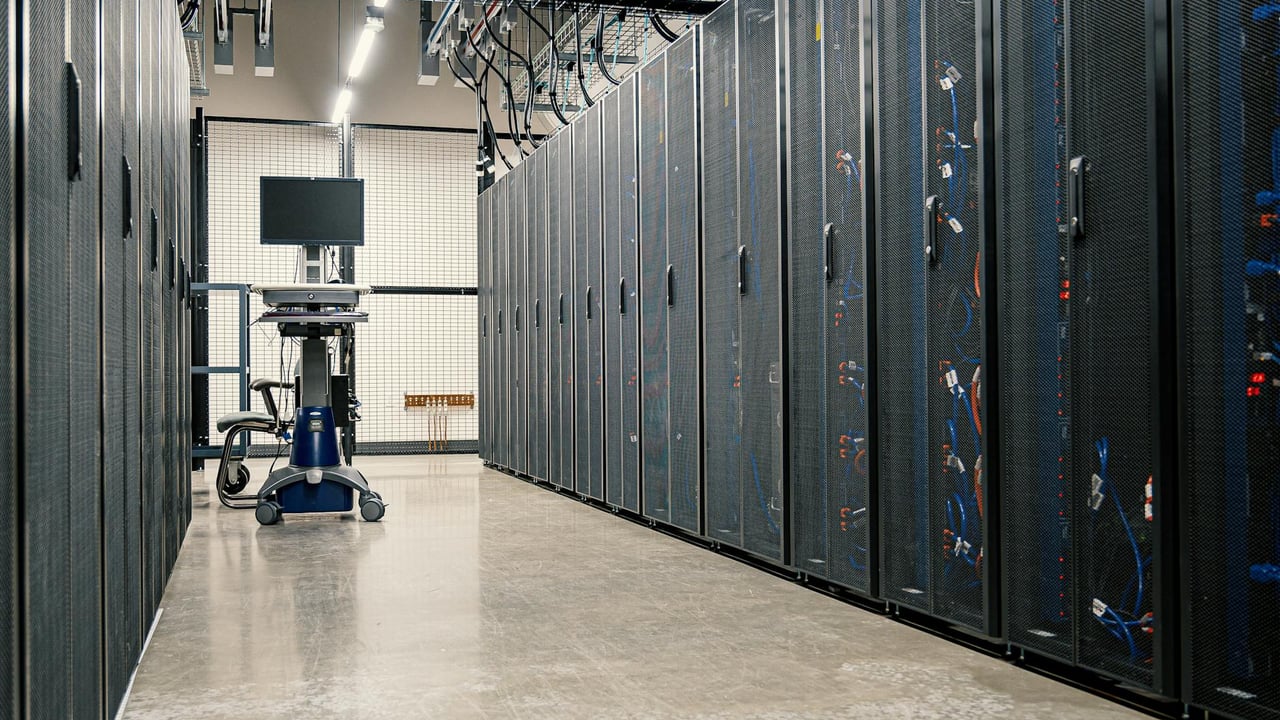

In a move that underscores the insatiable appetite for computational power in the artificial intelligence race, OpenAI has officially commenced construction on "The Barn," a massive one-gigawatt data center campus in Saline, Michigan. This development marks a significant escalation in the company's efforts to secure the physical infrastructure necessary for training and deploying its next generation of large language models.
The project is expected to be a substantial economic driver for the region, with OpenAI projecting that the facility will generate approximately $1 billion in tax revenue over the duration of its lease. By choosing Michigan, a state traditionally associated with the automotive industry, OpenAI is highlighting a broader trend of "Rust Belt" locations transforming into critical hubs for the digital economy.
A one-gigawatt capacity is an extraordinary scale for a single site, representing enough electricity to power hundreds of thousands of homes. This level of power density is increasingly required as AI training requirements continue to scale exponentially, forcing developers to look beyond traditional tech hubs toward regions with available land and robust energy grids.
The groundbreaking of "The Barn" comes at a time when the AI industry is shifting from a focus on software innovation to an all-out scramble for physical resources. As competitors like Google and Microsoft also expand their infrastructure footprints, the success of companies like OpenAI may soon depend as much on their ability to build and power data centers as on the sophistication of their algorithms.