
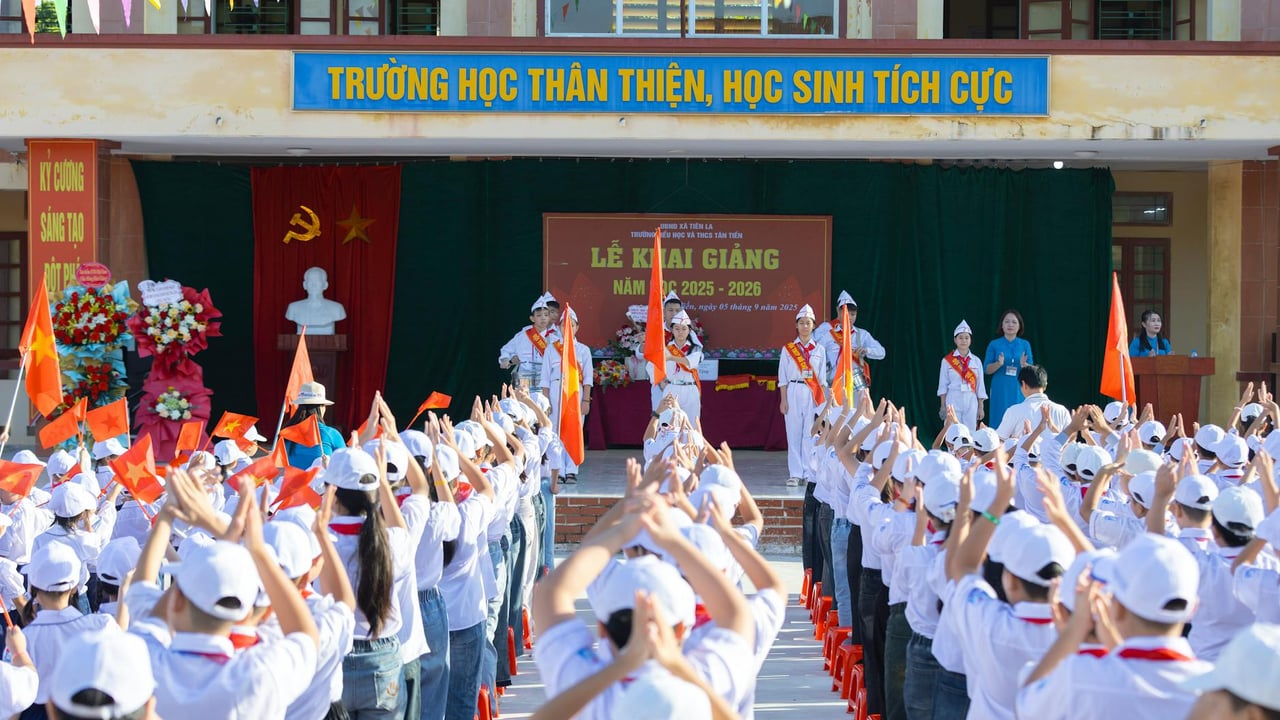

As the Chinese Communist Party seeks to fortify its historical narrative for a new era, a unique cohort of storytellers is taking center stage: elementary school children. President Xi Jinping recently underscored the importance of this mission by replying to a group of 'Red Scarf' guides at the Museum of the First National Congress of the CPC and the South Lake Revolutionary Memorial Hall. His letter encouraged these young volunteers to continue telling 'Red stories,' positioning them as vital links in the chain of ideological continuity.
This movement traces its origins back to 2006 with the 'Little Red Trumpet' club at Shanghai’s Luwan No. 1 Central Primary School. What began as a localized initiative has since evolved into a sophisticated volunteer network, where students translate complex party history into accessible, vibrant narratives for their peers and the public. These children are no longer just passive learners of history; they have become active participants in its dissemination, utilizing everything from traditional clapper talks to English-language presentations to reach a globalized audience.
The initiative has expanded far beyond the metropolises of Shanghai and Jiaxing, reaching the revolutionary heartlands of Yan’an, Jinggangshan, and the Lei Feng Memorial Hall in Liaoning. In places like the South Lake in Zhejiang—home to the iconic 'Red Boat' where the Party was founded—the program has become a formalized pillar of extracurricular education. Since 2013, the 'Red Boat Little Guides' program has trained over 570 core members who have served more than 340,000 visitors, blending local tourism with state-sanctioned historical education.
By empowering children to lead the conversation on national identity, the Chinese government is fostering a deep-seated emotional connection to the state’s revolutionary past. These 'Little Red Trumpets' represent a strategic investment in the future, ensuring that the party’s founding myths remain resonant and relevant for the digital generation. Through these young voices, the state aims to instill a 'patriotic sentiment' that is both enduring and resilient against competing cultural narratives.