
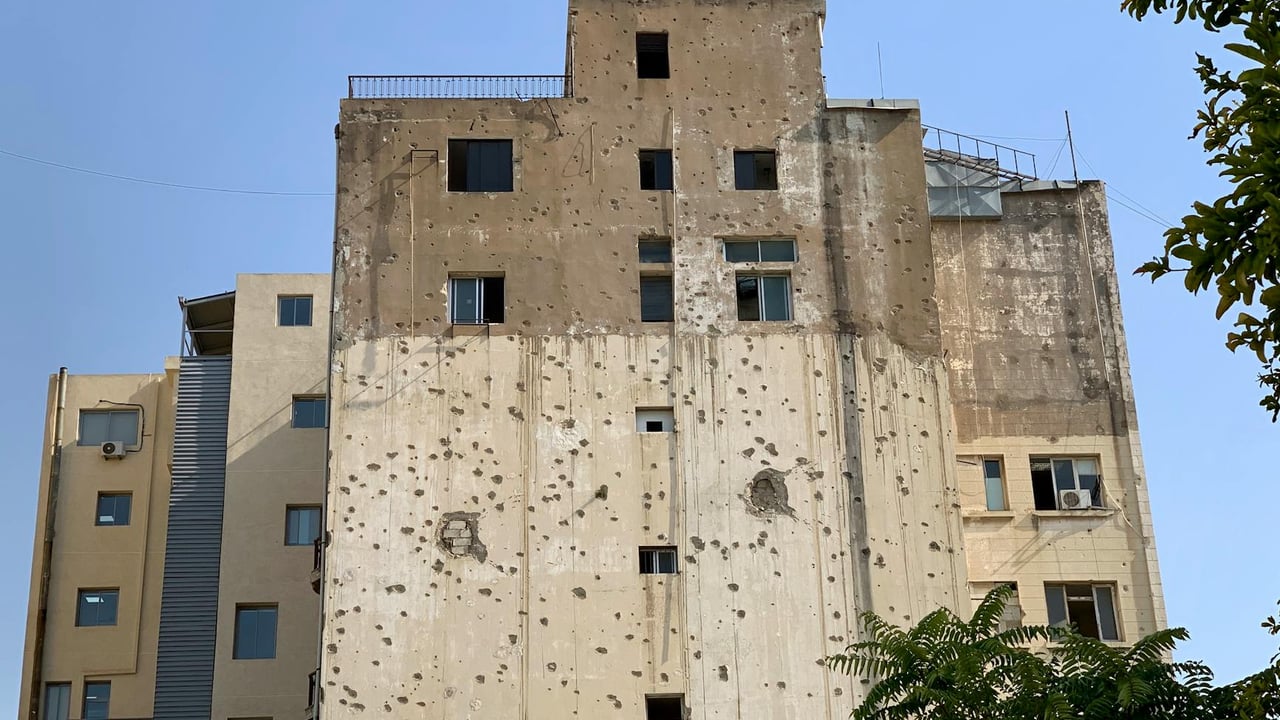

The geopolitical landscape of the Middle East is shifting as Israel intensifies its military campaign in Lebanon, moving from sporadic skirmishes to a more aggressive posture with the explicit coordination of the United States. Recent reports indicate that the expansion of Israeli operations, including high-stakes aerial campaigns in Beirut’s Dahieh district, is no longer being met with the traditional calls for restraint from Washington. Instead, a strategic alignment has emerged, suggesting that the White House has integrated Israel's tactical objectives into its broader regional framework.
Central to this shift is the role of U.S. Secretary of State Marco Rubio, who has reportedly hit a diplomatic wall in his efforts to broker a ceasefire between Israel and Hezbollah. For months, Washington had sought a mediated de-escalation, but the persistent refusal of Hezbollah to engage in meaningful concessions has exhausted American diplomatic patience. This deadlock has effectively removed the previous 'red lines' that had restricted Israeli strikes on Hezbollah's core strongholds in the Lebanese capital.
By coordinating these strikes, the U.S. is signaling a departure from its role as a regional brake, moving instead toward a role of strategic enabler. The decision to target the Dahieh district—a primary Hezbollah nerve center—with prior American consultation underscores a shared conclusion that military pressure may be the only remaining lever to force a change in the group's calculus. This development marks a significant escalation in the conflict's intensity, as the theater of war expands into densely populated urban centers.
The implications for regional stability are profound, as this coordination reduces the space for independent diplomatic maneuvering by European or Arab intermediaries. While the U.S. remains officially committed to long-term peace, its current support for expanded military action suggests a 'peace through strength' approach. As the offensive continues, the primary risk remains whether this coordinated pressure will successfully fracture Hezbollah’s resolve or inadvertently trigger a much larger, uncontrollable regional conflagration.