
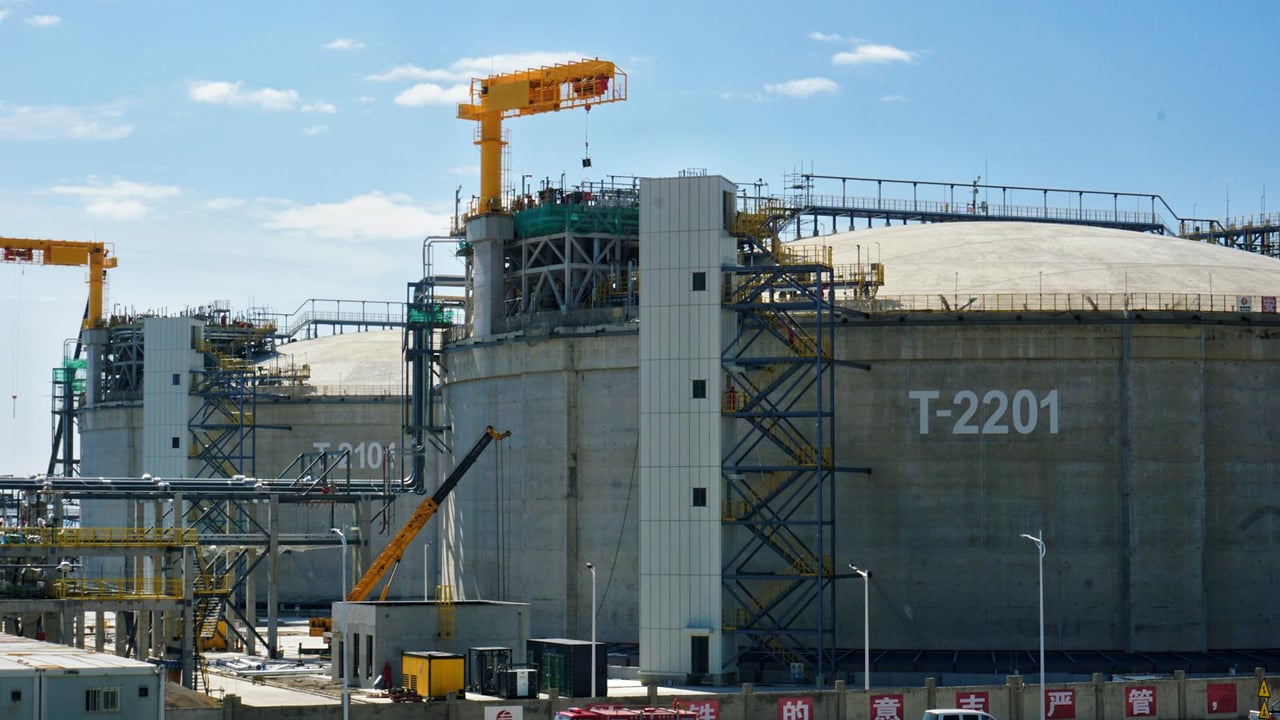

A decade ago, the idea of a Chinese city-state rivaling Silicon Valley’s risk appetite seemed far-fetched. Yet, the recent financial explosion of ChangXin Storage (CXMT) has vindicated the aggressive 'Hefei Model,' turning a once-struggling memory chip startup into a semiconductor titan. After ten years of cumulative losses totaling 36.6 billion RMB, CXMT has finally breached the wall of profitability, with 2026 mid-year revenues projected to exceed 100 billion RMB. This turnaround is not merely a corporate success story but a validation of Hefei’s long-game industrial strategy.
The global AI frenzy served as the ultimate catalyst, driving up the value of DRAM—the fundamental 'staple food' of the semiconductor industry. While Korean giants Samsung and SK Hynix pivoted their focus toward high-margin High Bandwidth Memory (HBM), CXMT seized the opportunity to dominate the traditional DRAM market. This strategic vacuum, combined with a 168% year-on-year revenue surge in 2025, has sent CXMT’s valuation skyrocketing from 250 billion RMB to as high as 3 trillion RMB. For Hefei’s state-owned assets, which remained steadfast through a decade of 'bear market' conditions, the payoff is nothing short of legendary.
However, the success of CXMT has sparked a heated debate over the nature of state intervention in high-tech markets. Hefei officials meticulously distinguish their approach as 'Industrial Investment' rather than 'Venture Capital,' arguing that their decisions are based on rigorous industrial logic rather than the 'luck' associated with gambling. Critics and market analysts remain skeptical of this semantic divide, noting that when a government invests billions into a loss-making startup in a volatile sector like semiconductors, the risk profile is undeniably that of venture capital. The line between prudent industrial planning and high-stakes gambling remains thin and often visible only in hindsight.
The danger now lies in the 'Hefei Fever' sweeping across China’s local governments. As of late 2025, government-guided funds have reached a staggering 12 trillion RMB in committed capital, a 15-fold increase over the past decade. Every provincial capital and agricultural county now dreams of incubating the next CXMT, often without the necessary infrastructure, talent, or geographic advantages. This massive influx of capital is chasing a limited pool of 'high-quality eggs,' leading to a bubble where subpar projects are funded by local governments desperate to report 'high-tech' growth to their superiors.
Ultimately, the 'Hefei Model' may be a unique confluence of time, place, and people that cannot be easily replicated. Hefei benefited from its proximity to the Yangtze River Delta’s supply chains and a specific window of global chip shortages and geopolitical shifts. For underdeveloped regions in central and western China to expect similar results by simply throwing fiscal funds at 'PowerPoint startups' is a recipe for systemic financial risk. While Hefei pops the champagne for CXMT, the rest of the country must confront the reality that for every successful ChangXin, there are dozens of failed ventures like Neta Auto looming in the shadows.