
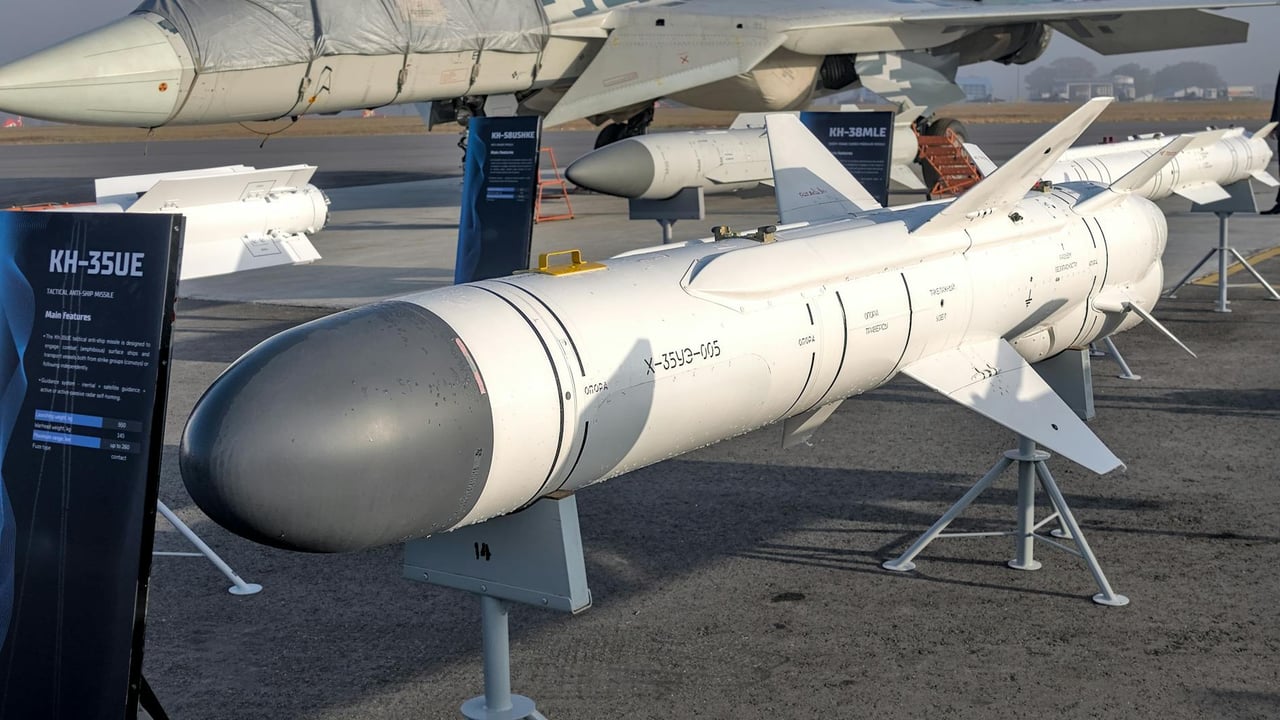

For decades, the standard for global power projection has been measured in hulls and wings: the aircraft carrier strike group and the fifth-generation fighter jet. However, a profound shift is underway as the traditional, platform-centric model of warfare faces a structural crisis. Emerging in its place is a doctrine of distributed operations, fueled by networked information systems and a massive proliferation of low-cost, high-precision missiles.
Technological breakthroughs have transformed missiles from blunt instruments of strategic deterrence into surgical tools for conventional conflict. According to data from the Stockholm International Peace Research Institute, the global inventory of missiles has surpassed 150,000 units, with nearly half now possessing precision-guidance capabilities. In the last four years alone, more than 30,000 missiles have been fired in combat, a figure that dwarfs the total usage of the first three decades following the Cold War.
This revolution is underpinned by a systematic reduction in manufacturing costs, driven by the adoption of rotating detonation engines and additive manufacturing. Rotating detonation engines eliminate complex turbomachinery, reducing production cycles by half and costs by over 60%. Furthermore, the integration of commercial-off-the-shelf components, such as industrial-grade carbon fiber and automotive-grade chips, has proven that high reliability can be achieved without the exorbitant price tags of traditional military-spec hardware.
Speed has become the ultimate disruptor in this new landscape, with hypersonic technology rendering existing air defense frameworks nearly obsolete. While a standard Western fighter jet like the F-35 takes over an hour to reach a target 1,000 kilometers away when factoring in takeoff and formation, a hypersonic missile can bridge that distance in under six minutes. This 'instant strike' capability collapses the decision-making window for defenders, making the act of discovery synonymous with the act of destruction.
The strategic consequence is a radical reinterpretation of air and sea control. Long-range anti-ship ballistic missiles now force carrier groups to operate well beyond their traditional 1,000-kilometer strike radius, effectively pushing high-value assets out of the fight. This 'land-based sea control' model suggests that the future of dominance belongs not to the side with the most expensive platforms, but to the side that can sustain the highest volume of distributed, precise, and rapid fire.