A New Chapter in Japanese Defense: Tokyo’s Naval Pivot to Manila

Japan and the Philippines have agreed on the export of retired Abukuma-class destroyer escorts to Manila, marking a significant milestone in Japan's transition toward becoming a major regional arms exporter. This move follows recent policy shifts in Tokyo that allow for the transfer of lethal defense equipment, sparking domestic debate over the country's pacifist constitutional legacy.

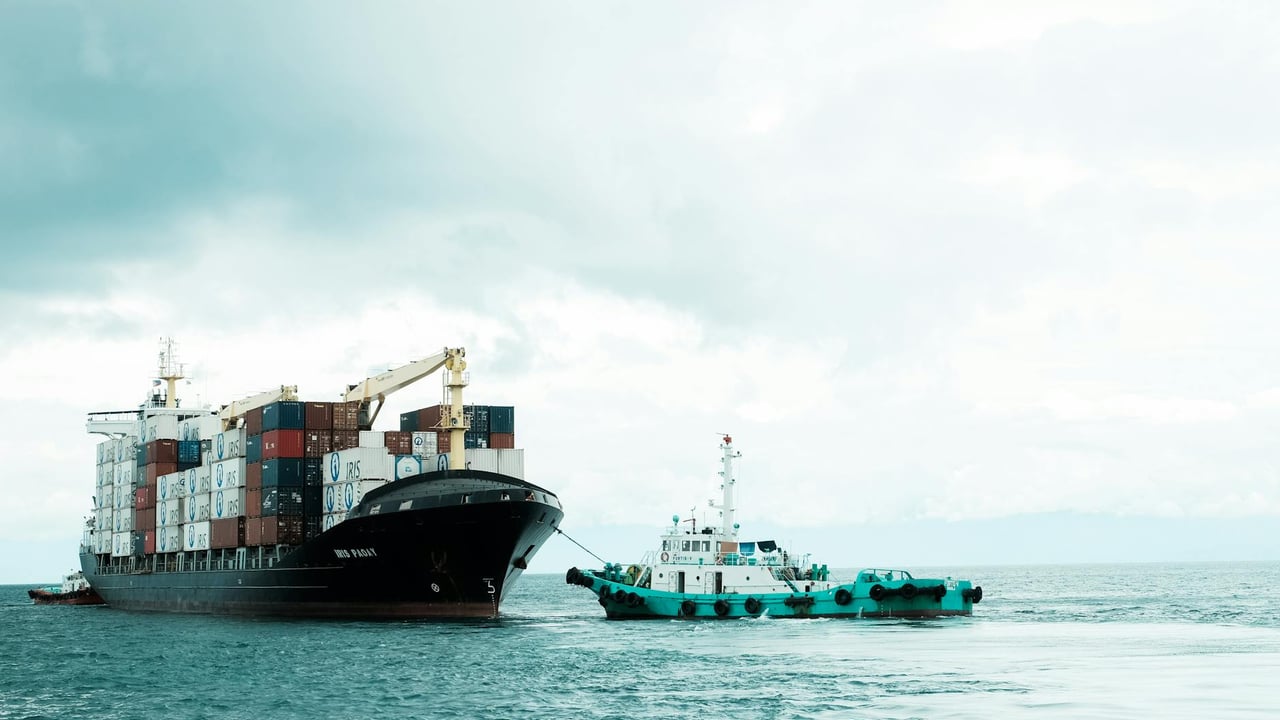
A container ship and tugboat navigate the waters of Davao City, Philippines, under a cloudy sky.

Key Takeaways

  • 1Japan will export retired Abukuma-class destroyer escorts to the Philippines starting around 2027.
  • 2The deal marks one of the first major applications of Japan's revised 'Three Principles' on defense equipment transfers.
  • 3The agreement includes provisions for training Philippine personnel and long-term maintenance support.
  • 4Japanese domestic critics argue the move risks fueling regional conflicts and violates pacifist norms.
  • 5The transfer is part of a broader strategy to modernize Japan's military while strengthening security ties in Southeast Asia.

Editor's
Desk

Strategic Analysis

This transaction is the clearest signal yet that Japan is shedding its self-imposed shackles on defense exports to become a proactive security provider in the Indo-Pacific. By choosing the Philippines—a nation at the front lines of maritime friction with China—Tokyo is using 'defense diplomacy' to counter Beijing’s regional assertiveness. Beyond the strategic signaling, the deal is an economic lifeline for Japan’s struggling defense sector, which has long suffered from high costs due to its limited domestic market. However, by providing lethal platforms, Japan is crossing a significant threshold that could eventually lead to its direct involvement in regional arms races, fundamentally altering its reputation as a 'peace state' and potentially complicating its future diplomatic maneuvers in Asia.

China Daily Brief Editorial
Strategic Insight
China Daily Brief

Tokyo and Manila have reached a milestone agreement that signals a profound shift in East Asian security dynamics. During recent high-level talks in Singapore, Japanese Defense Minister Shinjiro Koizumi and Philippine Defense Secretary Gilberto Teodoro finalized a deal for the transfer of retired Japanese maritime vessels to the Philippine Navy. The agreement centers on the Abukuma-class destroyer escorts, which are slated for decommissioning from Japan's Maritime Self-Defense Force by 2027.

While these vessels have served Japan since the late 1980s, their transfer to the Philippines represents more than just a donation of aging hardware. For Manila, the ships provide a cost-effective boost to its maritime domain awareness and patrol capabilities in the increasingly contested South China Sea. For Tokyo, the move serves as a critical test case for its newly relaxed 'Three Principles on Transfer of Defense Equipment and Technology,' which now permits the export of lethal equipment under certain conditions.

Critics within Japan, including anti-war activists and civil groups, argue that this move erodes the country’s post-war identity as a pacifist nation. They contend that the export of combat-ready vessels constitutes a departure from Japan’s constitutional commitment to non-aggression. By moving toward a role as an arms exporter, the Japanese government is accused of prioritizing geopolitical influence and military-industrial growth over long-standing diplomatic principles.

The Takaichi administration’s strategy appears twofold: to modernize Japan's own inventory by clearing out legacy systems and to revitalize its domestic defense industry. High maintenance costs and limited upgrade potential for the Abukuma-class make them ideal candidates for transfer. By establishing this precedent, Japan aims to create a sustainable pipeline for future exports of more advanced technologies, such as anti-ship missiles and next-generation surveillance systems, to regional partners.

Share Article

Related Articles

📰
No related articles found