
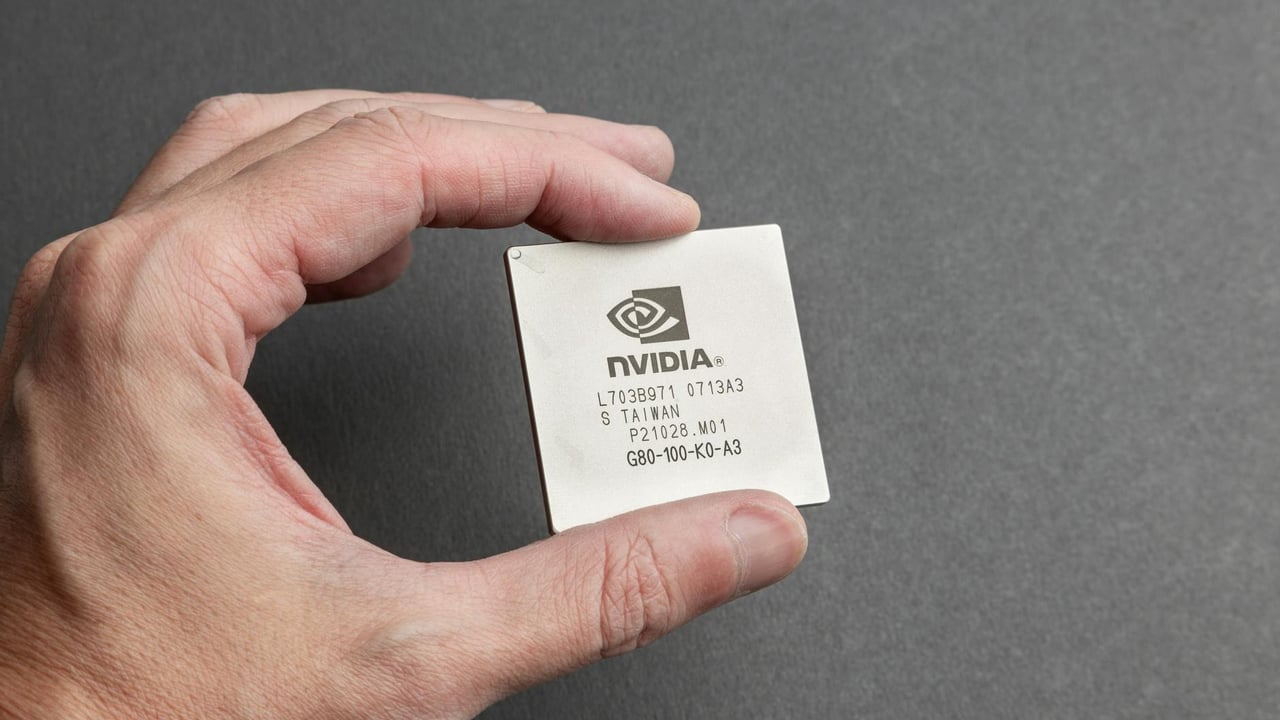

At the recent International Computer Expo, a significant shift in the artificial intelligence narrative occurred as Nvidia CEO Jensen Huang shared the stage with Marvell Technology CEO Matt Murphy. The duo articulated a vision where the 'connectivity' of hardware is superseding raw compute power as the most critical hurdle in the AI arms race. This public endorsement sent shockwaves through the market, with Marvell's stock surging 27% in pre-market trading.
Matt Murphy outlined a clear evolution of the AI infrastructure cycle, noting that the industry has systematically dismantled successive bottlenecks. While Nvidia solved the initial compute crisis to become a multi-trillion-dollar entity, and memory providers are currently scaling to meet bandwidth demands, the limit of infrastructure is now defined by how these components talk to each other. This shift places Marvell, a specialist in high-speed data movement, at the center of the next investment wave.
The strategic synergy between the two firms is backed by more than just rhetoric; Nvidia has committed a $2 billion investment into Marvell to solidify a long-term partnership. This collaboration focuses on three core pillars: optical DSP and silicon photonics for network scaling, seamless integration with Nvidia’s proprietary NVLink, and the development of AI-driven Radio Access Networks (AI RAN). These technologies are essential for the massive scale-up required by the next generation of Large Language Models.
Marvell’s financial pivot underscores its readiness for this role, with data center revenue now accounting for a staggering 75% of its total income, up from less than 10% just a few years ago. The company recently reported record first-quarter net revenue of $2.418 billion, representing a 28% year-on-year increase. As the industry moves toward distributed computing, the ability to eliminate data latency is becoming the most valuable currency in Silicon Valley.