
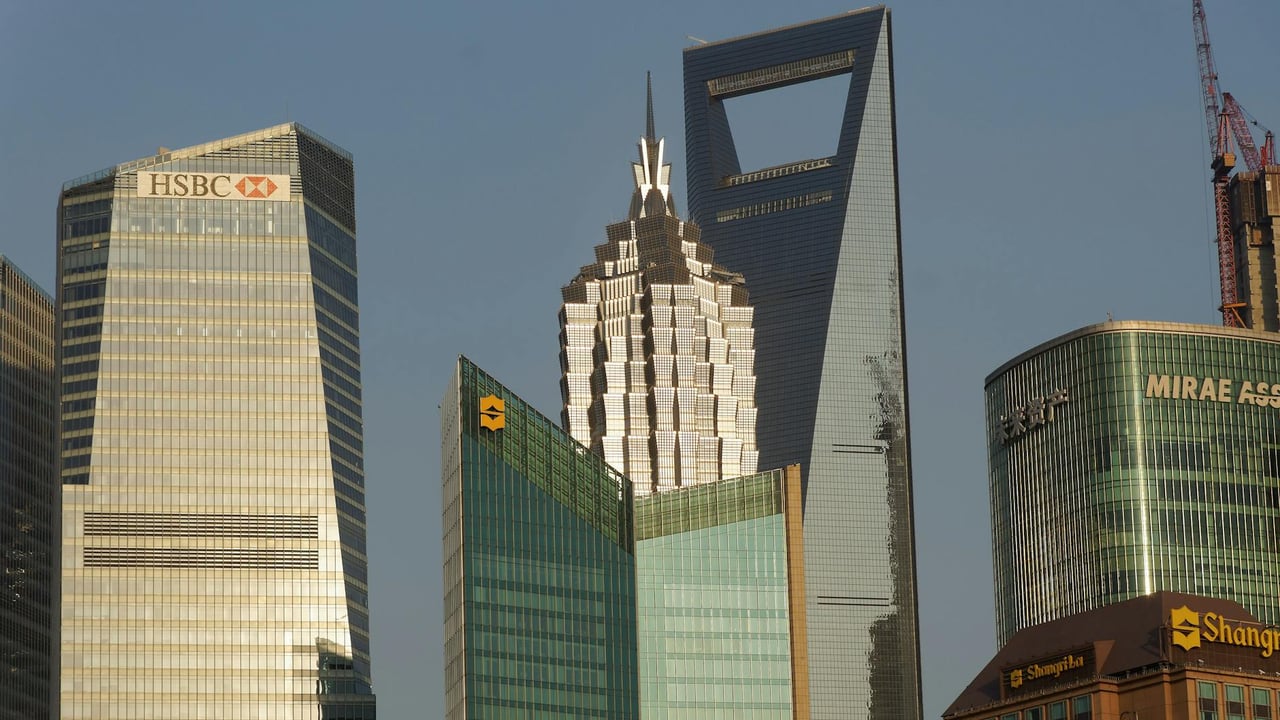

Shanghai has unveiled a sweeping policy framework to cement its position as a premier global financial hub, setting an ambitious target of 55 trillion yuan (approximately $7.6 trillion) in assets under management by 2030. The municipal government's new directive aims for the city to command one-third of China's total asset management market within the decade. This move signals a decisive shift toward high-quality financial growth, emphasizing a 'dual-wheel' drive of asset and wealth management to attract sophisticated global capital.
The policy outlines a comprehensive expansion of financial products, focusing on diversifying the market beyond traditional equities. Shanghai plans to accelerate the issuance of Real Estate Investment Trusts (REITs), offshore RMB bonds, and 'Shanghai Gold' benchmarks to provide international investors with a broader array of RMB-denominated assets. This diversification is paired with a push for new futures and derivatives, including liquid natural gas and 'computing power' futures, reflecting China’s pivot toward a technology-driven, new productive forces economy.
A significant component of the plan involves the institutional opening of the sector. The city is actively encouraging foreign asset managers to establish a presence, offering streamlined licensing for investment fund custody and lead underwriting in the interbank bond market. By fostering a mix of global titans and specialized 'hidden champions' in private equity and venture capital, Shanghai seeks to move the industry from a volume-based model to one focused on investor returns and long-term value creation.
Technological integration is the bedrock of this modernization effort. The directive calls for the application of artificial intelligence, blockchain, and big data across the asset management lifecycle—from intelligent investment research to digital RMB integration in fund settlements. These digital initiatives are not merely for efficiency; they are designed to enhance risk monitoring and transparency, addressing long-standing global concerns regarding the opacity and volatility of the Chinese financial system.
Finally, the blueprint strengthens the connectivity between Shanghai and global markets through enhanced 'Connect' programs and offshore financial institutional frameworks. By optimizing the Qualified Foreign Limited Partner (QFLP) and Qualified Domestic Limited Partner (QDLP) schemes, the city is positioning itself as the primary conduit for capital flowing into and out of China. This strategy effectively aligns Shanghai’s local development with the broader national objective of RMB internationalization and global resource allocation.