
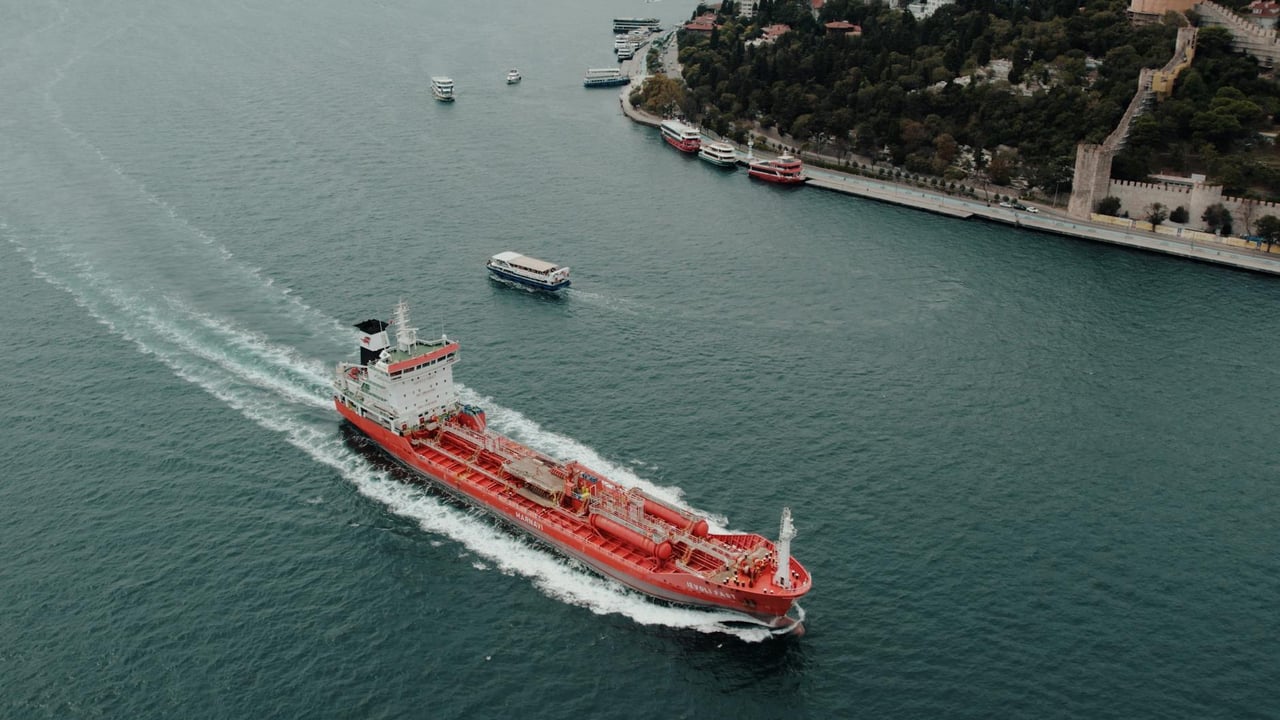

The geopolitical equilibrium in the Middle East is facing its most severe test yet as Tehran signals a pivot toward a total maritime blockade strategy. By threatening to close the Strait of Hormuz and simultaneously opening a front at the Bab el-Mandeb, Iran is targeting the world’s most critical energy arteries. This dual-chokepoint maneuver represents a 'last resort' for a regime increasingly cornered by escalating Israeli military operations and stalled diplomatic efforts.
The economic ramifications were immediate, with Brent crude surging toward $95 a barrel and New York futures following closely. Analysts warn that a sustained blockade of the Strait of Hormuz—through which roughly 20 million barrels of oil flow daily—would almost certainly propel global prices past the $100 psychological threshold. For the global economy, this is not merely a pricing issue but a potential systemic shock to energy security and supply chain stability.
This shift in Iranian strategy follows a breakdown in back-channel negotiations previously hosted in Pakistan. As the conflict in Lebanon and Gaza intensifies, Tehran has effectively abandoned the diplomatic table in favor of kinetic deterrence, utilizing cruise missiles to target merchant vessels associated with U.S. and Israeli interests. The move signals that Iran’s 'patience' has reached a breaking point, opting for a scorched-earth economic policy to force a revision of the regional security architecture.
Washington’s response reveals a growing sense of domestic and strategic vulnerability. To stabilize prices, the U.S. administration has aggressively depleted the Strategic Petroleum Reserve (SPR) to its lowest levels since 2024, leaving the country with little remaining ammunition to combat further price spikes. President Trump’s public assertions of indifference mask a precarious political reality, as rising energy costs and resurgent inflation threaten to destabilize his administration’s economic standing ahead of the upcoming election cycle.
Compounding the crisis is the divergence between U.S. interests and the actions of its regional allies. Israeli Prime Minister Benjamin Netanyahu’s refusal to scale back military operations complicates Washington’s efforts to de-escalate the maritime theater. As Tehran adopts a 'nothing to lose' posture, the risk of a miscalculation in these crowded shipping lanes remains at an all-time high, potentially drawing global powers into a conflict where the economic victory may be more important than the military outcome.