
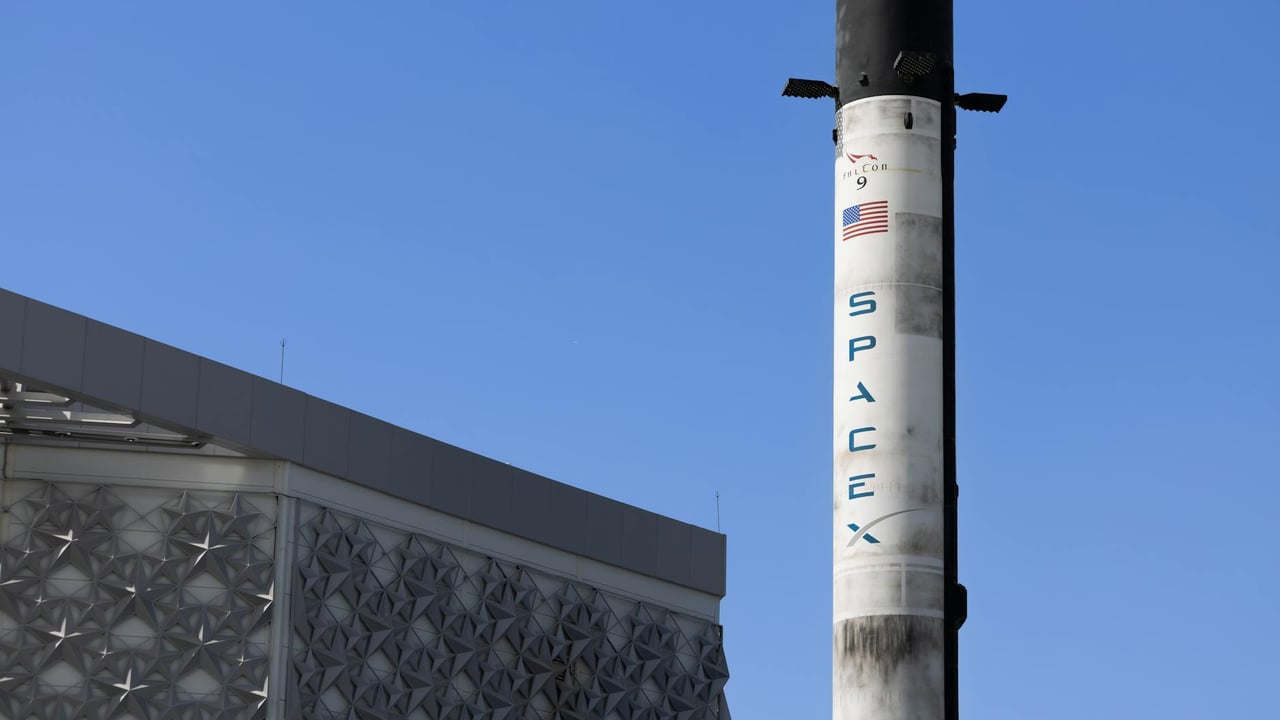

In the rolling pasturelands of Grimes County, Texas, a quiet land grab is signaling the next phase of Elon Musk’s industrial manifest destiny. Records show that WIT Tech LLC, a shell company with deep ties to Musk’s inner circle, has acquired over 6,000 acres of rural land northwest of Houston. While the billionaire’s name does not appear on the deeds, the presence of his long-time fixer Jared Birchall and xAI General Counsel James Burnham in the filings leaves little doubt about the entity’s true patron.
This land assembly appears to be the physical foundation for 'Terafab,' an ambitious $55 billion semiconductor initiative announced earlier this year. The project is designed as a joint venture between Musk’s most high-profile interests—SpaceX, Tesla, and xAI—to secure the silicon supply chain necessary for the next generation of artificial intelligence and robotics. By internalizing chip production, Musk aims to bypass the capacity constraints of the global semiconductor industry and hedge against the mounting geopolitical risks associated with East Asian manufacturing.
The scale of the proposed facility is staggering, with documents suggesting a total investment that could eventually swell to $1190 billion if all expansion phases are realized. Intel has already joined the fray, expected to provide essential expertise in chip design, manufacturing, and advanced packaging. This collaboration suggests that Musk is not merely looking to produce legacy chips, but is aiming for the high-performance hardware required for Tesla’s Optimus humanoid robots and the specialized radiation-hardened components needed for deep-space exploration.
Beyond technical utility, the timing of this expansion aligns with a broader financial strategy for SpaceX. The aerospace giant is reportedly preparing for an initial public offering that could value the company at $1.8 trillion, making it one of the largest market debuts in history. A robust, vertically integrated semiconductor arm would provide a powerful narrative for investors, framing the company not just as a launch provider, but as a sovereign technology ecosystem.
However, the rapid transformation of this ranching community into a tech hub has met with local friction. Residents of Grimes County have expressed frustration over the opaque nature of the negotiations and the potential impact on their rural way of life. As local officials move to approve tax breaks and reinvestment zones, the clash between Musk’s hyper-speed industrialization and the measured pace of rural Texas highlights the social costs of the global race for AI supremacy.