
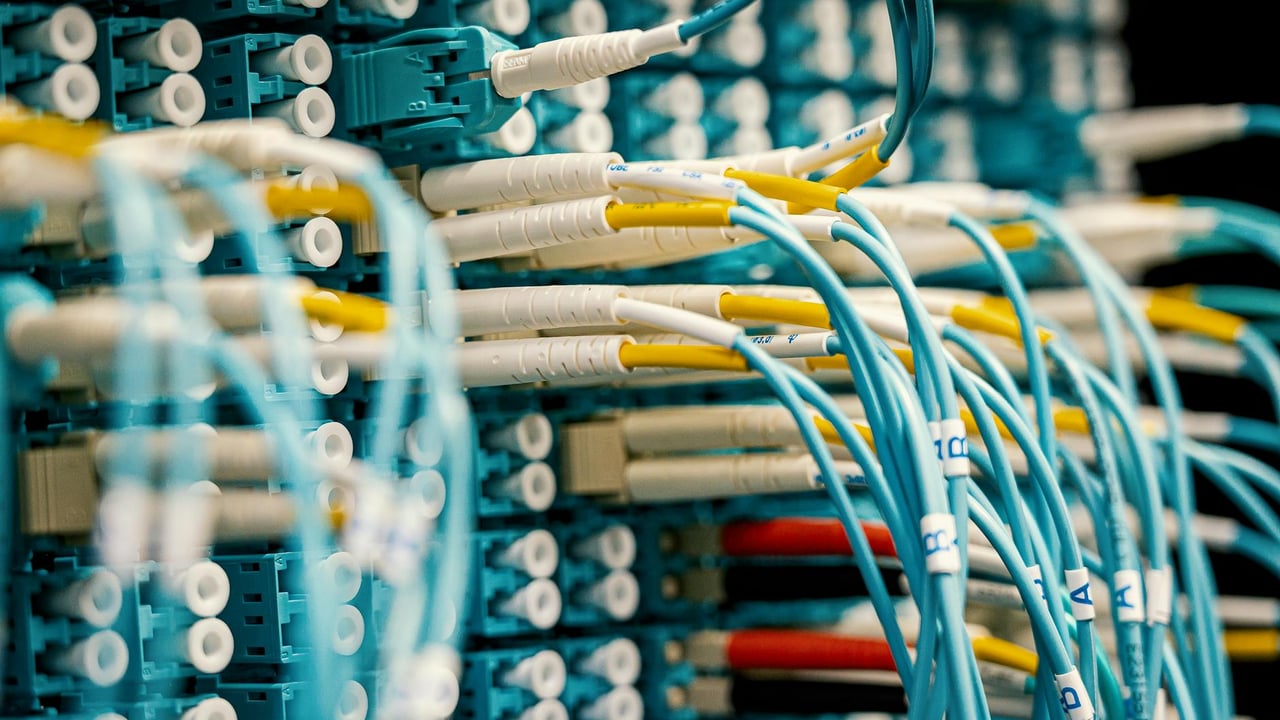

The global telecommunications landscape reached a significant milestone this week with the commercial activation of the world’s first S+C+L three-band, ultra-low loss multi-core optical fiber line in Qingdao, Shandong. By integrating short (S), conventional (C), and long (L) wavebands, the new infrastructure effectively shatters the traditional transmission limits of single-mode fiber. This breakthrough represents a pivotal shift toward space-division multiplexing, a technology essential for the next generation of ultra-high-speed data transfer.
This development arrives as the global fiber optics market enters what analysts describe as a 'super cycle.' Driven by the insatiable demand of AI data centers, 5G-Advanced (5G-A), and the nascent 6G framework, the industry is witnessing a rare alignment of rising prices and increasing volume. Unlike previous cycles driven by basic internet expansion, the current surge is fueled by the architectural requirements of artificial intelligence, which demand massive bandwidth and near-zero latency for distributed computing workloads.
Market dynamics are being further constrained by a significant supply-demand imbalance. While demand for advanced fiber has exploded—partially exacerbated by emerging applications like high-bandwidth drone networks—the supply of the necessary high-purity glass preforms remains bottlenecked. With expansion cycles for fiber rod production typically lasting 18 to 24 months, the industry is transitioning from a period of recovery into one of sustained, high-intensity growth.
Leading Chinese firms are already positioning themselves to capitalize on this technological shift. Companies such as Tefa Information and Tongguang Cable are moving beyond standard hardware into specialized sectors like hollow-core fiber and 800G test networks. By securing a dominant position in the manufacturing of these 'super-pipes,' China is not merely upgrading its domestic infrastructure but setting the technical standards that will likely govern the global movement of data in the AI era.