The Vessel of Intelligence: China’s Strategic Pivot Toward Humanoids and High-End Exports

CITIC Securities identifies humanoid robots as the primary carrier for 'physical AI' while highlighting a surge in high-end Chinese industrial exports. The report emphasizes a new growth cycle across robotics, semiconductor equipment, and heavy machinery, driven by both domestic innovation and global demand.

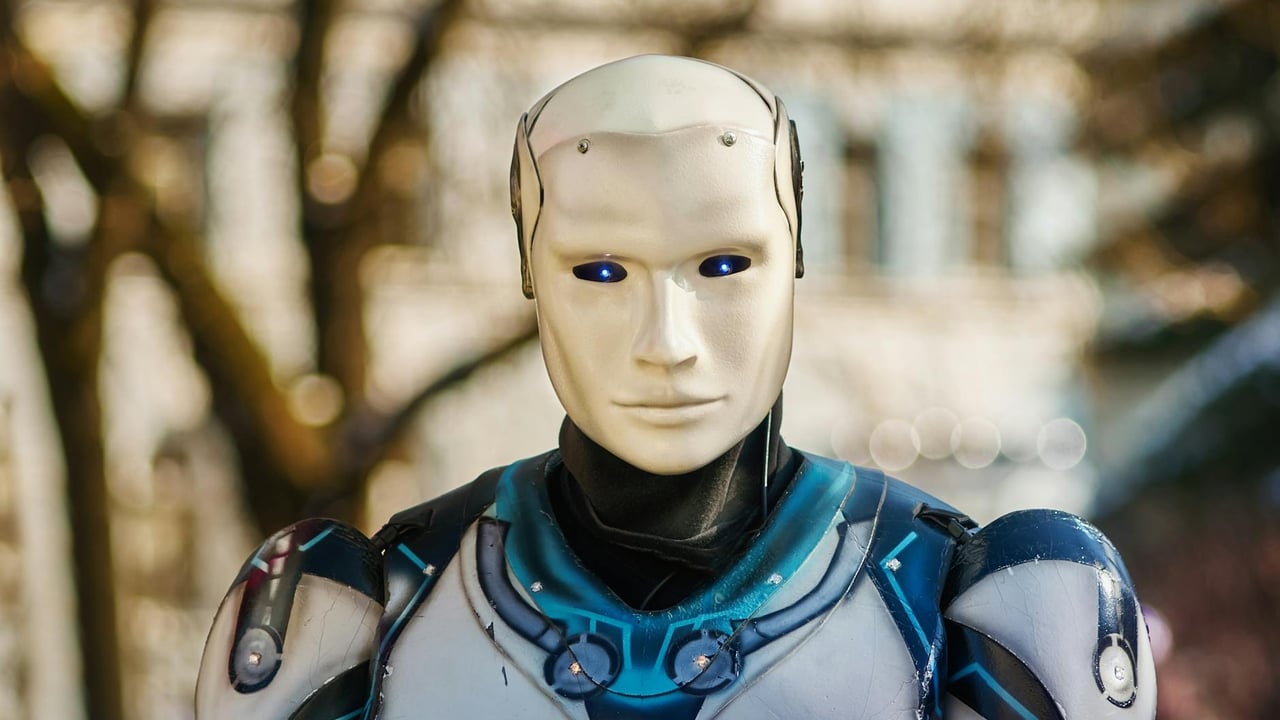
Close-up of a humanoid robot with a futuristic design posing outdoors.

Key Takeaways

  • 1Humanoid robots are recognized as the optimal vessel for AI applications, with mass production of Tesla’s Optimus acting as a major industry catalyst.
  • 2China's domestic gas turbine and power equipment sectors are seeing a definitive trend toward international market expansion.
  • 3A significant wave of IPOs is expected in the robotics and semiconductor equipment sectors, supported by domestic tech advancements.
  • 4Lithium battery equipment manufacturers are pivoting toward new growth cycles to sustain long-term momentum.

Editor's
Desk

Strategic Analysis

The strategic focus on 'Physical AI' via humanoid robots represents a sophisticated evolution of China’s manufacturing thesis. By framing robots as the 'best carrier' for AI, Chinese analysts are signaling that the next phase of global competition won't just be about software algorithms, but about the hardware that can execute them in the physical world. This, combined with the aggressive 'going global' (Chuhai) strategy for turbines and construction machinery, suggests that China is attempting to move up the value chain. Instead of exporting low-cost consumer goods, Beijing is now aiming to export complex, high-margin industrial systems and intelligent machines, challenging the traditional dominance of Western and Japanese engineering firms.

China Daily Brief Editorial
Strategic Insight
China Daily Brief

A recent research report from CITIC Securities highlights a significant shift in China’s industrial landscape, identifying humanoid robots as the ultimate physical medium for artificial intelligence. As Tesla’s Optimus moves closer to mass production, a wave of domestic Chinese robotics firms is preparing for initial public offerings. This momentum suggests that the sector is transitioning from speculative prototypes to a focus on high-quality components and supply chain integration.

Beyond the digital realm, China’s heavy industrial sectors are demonstrating a robust 'going global' trend. Domestic gas turbine manufacturers are increasingly finding favor in international markets, marking a clear trajectory for Chinese-made power generation equipment. This export-oriented growth is being mirrored in the construction machinery sector, where both domestic and international demand remain strong, signaling a prime window for strategic investment and market expansion.

In the semiconductor space, the influence of national champions like Huawei continues to drive the narrative. The report points to the emergence of what is being called 'Tao’s Law' in semiconductor development, coupled with a concerted push for IPOs within the storage and equipment sectors. This movement underscores China’s intent to achieve greater self-sufficiency in the face of global supply chain volatility and geopolitical pressure.

Finally, the renewable energy sector—specifically lithium battery equipment—is entering a new development cycle. Companies are aggressively seeking 'second growth curves' by diversifying their technological applications and exploring new markets. This evolution reflects a broader industrial theme: the integration of advanced electronics and mechanical engineering to maintain a competitive edge in the global transition toward automation and green energy.

Share Article

Related Articles

📰
No related articles found