
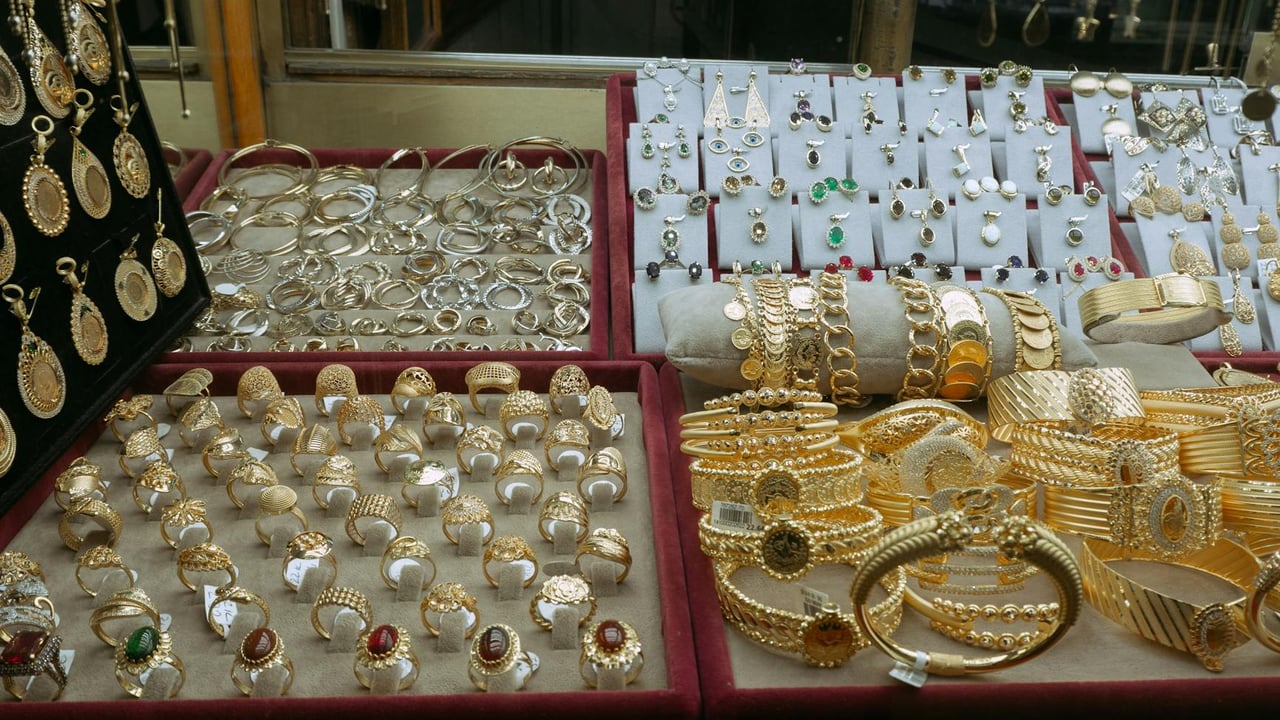

The glittering allure of gold, a traditional bastion of Chinese wealth preservation, is facing a stark reality check as the domestic market enters a period of significant volatility. After years of relentless appreciation that saw prices reach dizzying heights, the retail market for gold jewelry in China has experienced a dramatic correction, with prices per gram reportedly falling by as much as 300 RMB in major urban centers.
This sharp decline marks a significant pivot for the world’s largest gold consumer. For much of the past two years, Chinese households had flocked to gold as a hedge against property market instability and a volatile domestic stock exchange. However, the sheer velocity of the recent price drop suggests that the psychological floor for many retail investors has finally cracked, leading to a cautious wait-and-see approach among shoppers.
Major jewelry chains in Beijing and Shanghai, which previously enjoyed record margins, are now recalibrating their strategies. The 300 RMB drop represents a massive shift in a market where consumers are notoriously price-sensitive, often waiting months for minor fluctuations before committing to significant purchases like wedding sets or investment bars. This price retreat has left many recent buyers facing immediate paper losses on their collections.
Economists point to a confluence of factors for this sudden cooling. A stabilizing yuan and a shift in global interest rate expectations have reduced the fear premium that had been baked into domestic gold prices. Furthermore, the saturation of the youth-driven gold market—where small gold beans became a viral savings trend—has reached a plateau, leaving retailers with excess inventory and a need to stimulate demand through aggressive pricing.