
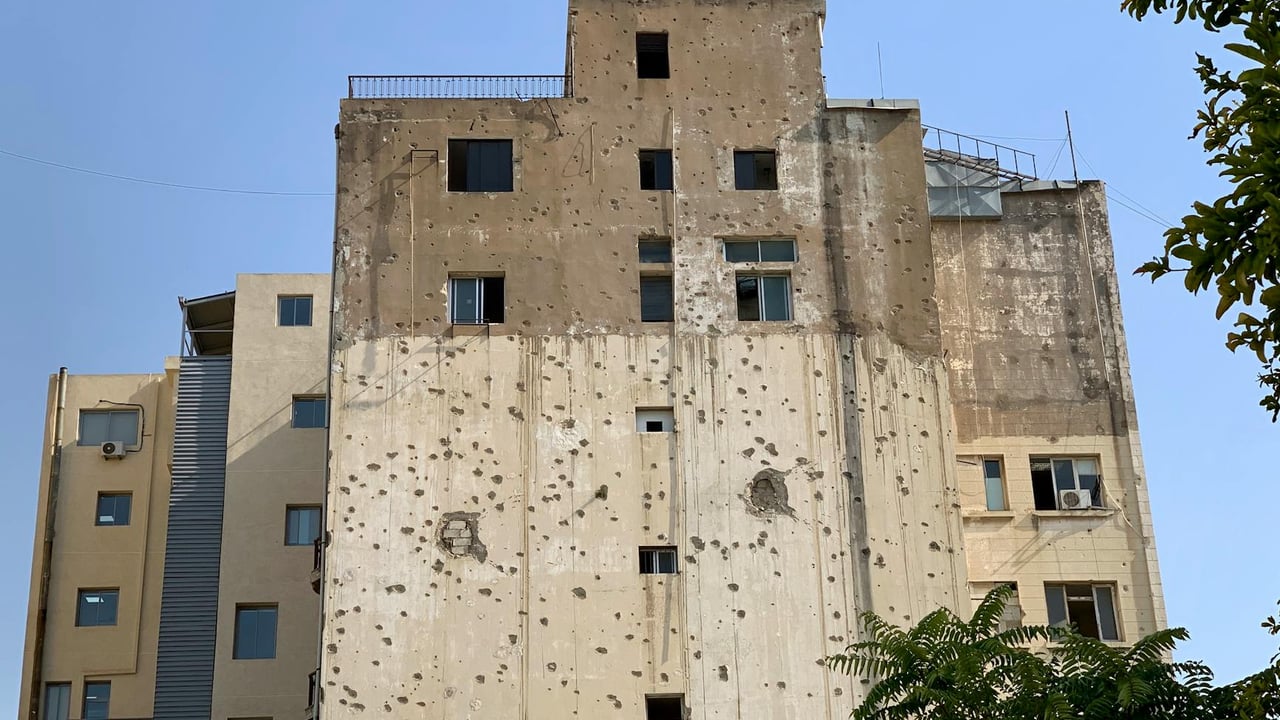

In a dramatic intervention that underscores the volatile intersection of military force and personal diplomacy, President Donald Trump has reportedly halted a planned Israeli offensive on southern Beirut. The move came just as the Israeli Defense Forces (IDF) issued urgent evacuation orders for the Lebanese capital’s southern suburbs, signaling an imminent escalation that threatened to derail fragile negotiations between Washington and Tehran. This sudden 'freeze' highlights a complex three-dimensional chess game where Lebanon serves as the primary leverage point for broader regional outcomes.
The escalation followed a period of intense rhetoric between Tel Aviv and the 'Axis of Resistance.' As the United States and Iran were purportedly drafting a memorandum of understanding to extend a regional ceasefire, Israel moved to decouple the Lebanese front from the Iranian one. By threatening Beirut, Prime Minister Benjamin Netanyahu’s government sought to pressure Hezbollah into a separate peace, a move Tehran countered by threatening to activate its full maritime and proxy capabilities, including potential disruptions in the Bab al-Mandab Strait.
Political analysts suggest that the current friction represents a 'double-track' strategy orchestrated between Washington and Tel Aviv. While the Trump administration engages in shadow diplomacy—reportedly opening a backchannel to Hezbollah through senior officials—Israel maintains a stance of 'calculated escalation.' This 'good cop, bad cop' routine is designed to convince Tehran that the alternative to a diplomatic breakthrough is a multi-front war that would begin in Beirut but inevitably terminate in Iran.
Despite the temporary halt, the structural tensions remain unresolved. Iranian officials have reiterated their 'Unity of Fronts' doctrine, insisting that any ceasefire must be comprehensive and include Lebanon. Conversely, the U.S. position, as articulated by former defense officials, maintains that Israel has a sovereign right to self-defense against Hezbollah as long as the group refuses to officially adhere to international ceasefire terms. This gap in interpretation ensures that the Beirut suburbs remain the most dangerous flashpoint in the Middle East.