Tehran’s Chokehold: Iran Asserts Sovereignty Over the Strait of Hormuz

Iran has intensified its naval presence and rhetoric in the Strait of Hormuz, with senior military officials asserting that the strategic waterway is under Iranian management. By linking maritime security to the conflict in Lebanon, Tehran is signaling its readiness to use global shipping lanes as leverage against international pressure.

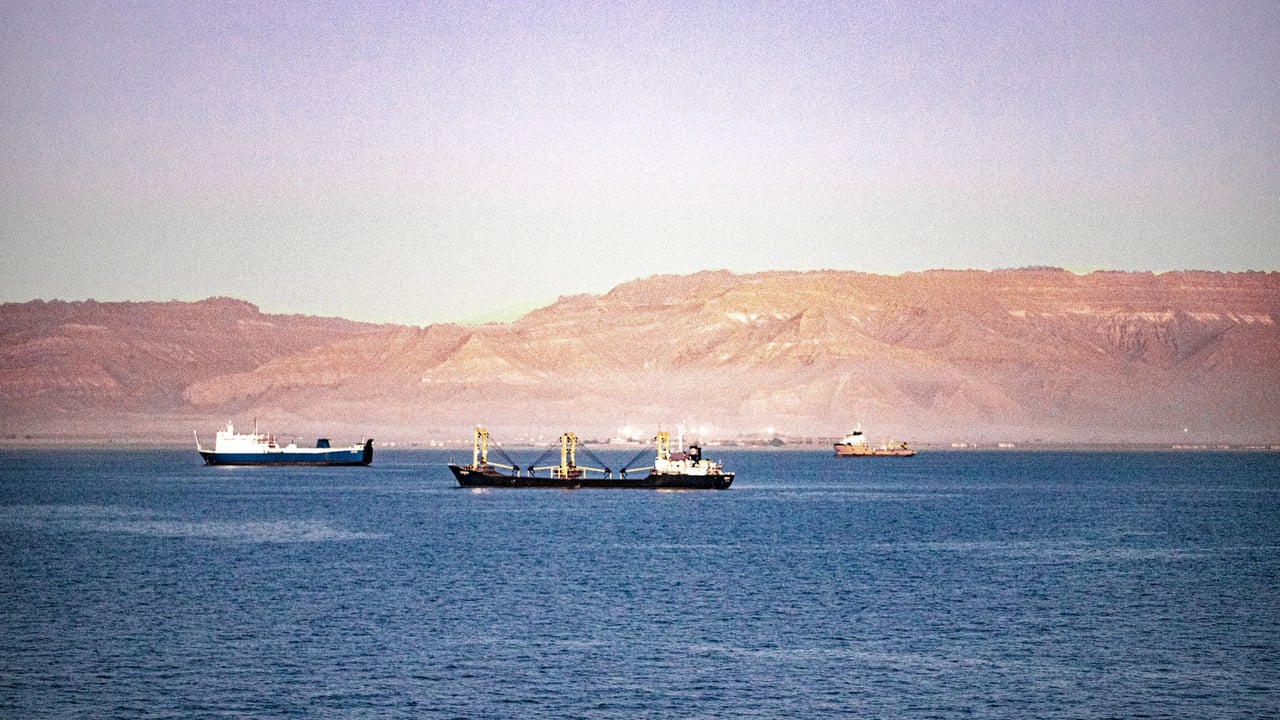
Serene view of cargo ships navigating the Suez Canal with mountains in the background.

Key Takeaways

  • 1The IRGC Navy released footage of continuous 24/7 patrols and ship interception maneuvers in the Strait of Hormuz.
  • 2Senior military advisor Mohsen Rezaei declared that the waterway is currently under Iranian administration.
  • 3Tehran has explicitly linked maritime stability to regional developments, specifically warning against escalation in Lebanon.
  • 4The Iranian leadership warned that its 'patience is limited' regarding foreign interference and maritime blockades.

Editor's
Desk

Strategic Analysis

Tehran is evolving its 'Anti-Access/Area Denial' (A2/AD) strategy from a purely military concept into a diplomatic bludgeon. By asserting 'management' over the Strait of Hormuz, Iran is testing the limits of international maritime law and the resolve of the U.S. and its allies. The specific mention of Lebanon is a calculated move to broaden the conflict's scope; it suggests that Iran no longer views its regional theaters as separate silos. Instead, it is positioning itself to respond to any threat against Hezbollah or its northern interests by squeezing the global energy supply, effectively holding the world economy hostage to regional proxy dynamics.

China Daily Brief Editorial
Strategic Insight
China Daily Brief

The visual display of the Islamic Revolutionary Guard Corps (IRGC) Navy patrolling the Strait of Hormuz is more than a routine update from Tehran; it is a carefully choreographed signal of dominance over the world's most vital maritime artery. In a series of videos released by Iranian state media, high-speed IRGC craft are seen intercepting and 'guiding' commercial traffic, underscoring a persistent claim that these waters fall under the direct management of the Islamic Republic.

This reassertion of maritime authority coincides with a sharp escalation in rhetoric from the inner sanctum of the Supreme Leader. Mohsen Rezaei, a senior military advisor and perennial figure in Iran’s security establishment, warned that Iranian 'patience is limited' regarding the protection of national interests. His message was clear: Tehran increasingly views the free flow of shipping through Hormuz as contingent upon its own regional security priorities.

Crucially, the IRGC’s latest posturing explicitly links the stability of the Persian Gulf to the broader regional firestorm, specifically mentioning the situation in Lebanon. By warning that Iran will not tolerate further escalation in the Levant or maritime blockades, Tehran is employing a strategy of 'linkage,' suggesting that any pressure applied to its proxies elsewhere will be met with friction at this critical global chokepoint.

For the international community, these maneuvers are a stark reminder of the fragile nature of global energy security. Roughly a fifth of the world’s liquid petroleum passes through these waters. When the IRGC speaks of 'intercepting' vessels that ignore their warnings, it is a calculated threat designed to deter Western intervention and maintain a high-stakes bargaining chip in its ongoing geopolitical chess match.

Share Article

Related Articles

📰
No related articles found