
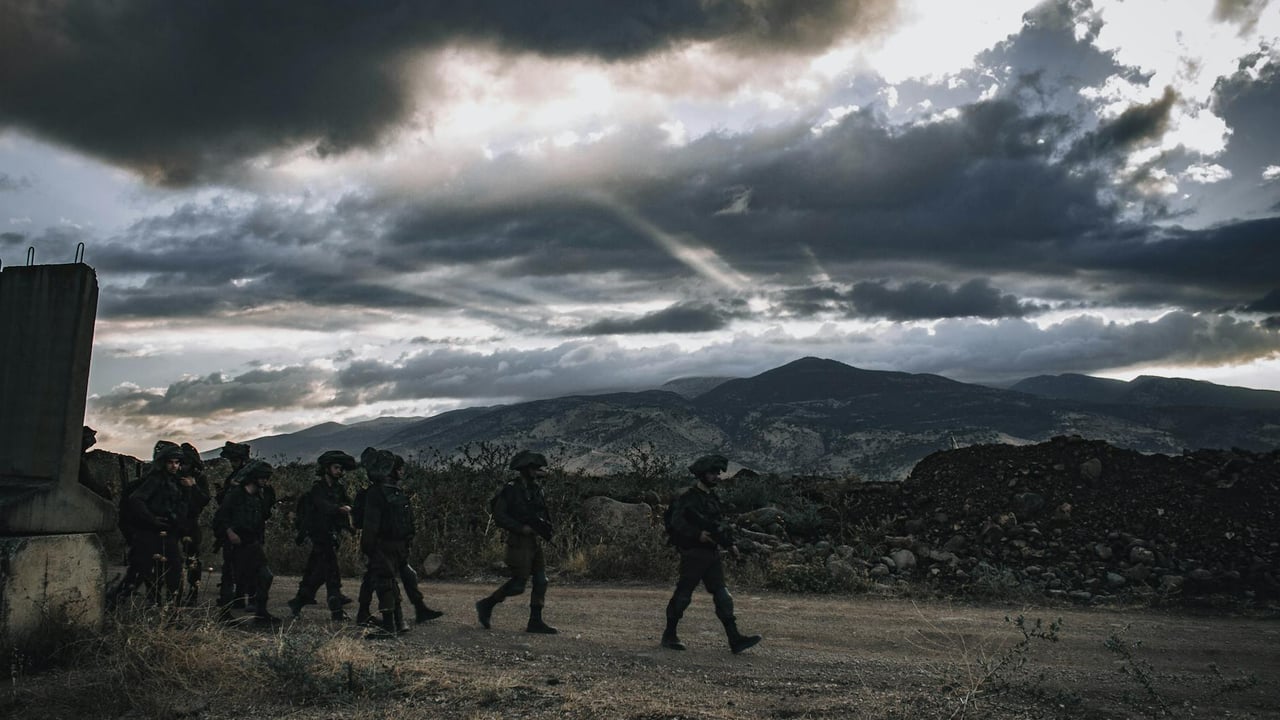

The fragile status quo that has governed the Israel-Lebanon border for two decades appears to have reached a definitive breaking point. At an emergency session of the United Nations Security Council, China’s permanent representative, Ambassador Fu Cong, delivered a blunt assessment of the deteriorating situation, characterizing the existing ceasefire as 'existing in name only.' The catalyst for this alarm is a significant expansion of Israeli military operations, which have now pushed beyond the strategic Litani River and resulted in the capture of the historic Beaufort Castle.
This maneuver represents the deepest Israeli military penetration into Lebanese territory since the 2006 war, signaling a fundamental shift from border skirmishes to a broader campaign aimed at reshaping the region’s security architecture. By expanding what it terms a 'safety zone,' Israel has moved past the traditional geographic constraints that previously defined the limits of its operations against Hezbollah. Beijing’s rhetoric suggests that the international community is witnessing not just a temporary flare-up, but a systemic collapse of the diplomatic frameworks meant to prevent a regional conflagration.
Ambassador Fu’s address emphasized the grave consequences of these ground operations, noting that the 'intentions behind' this expansion and the resulting humanitarian fallout are causing deep concern across the global stage. China’s positioning here is consistent with its broader Middle East strategy, which seeks to champion national sovereignty and the inviolability of established borders. By calling for the protection of the United Nations Interim Force in Lebanon (UNIFIL), Beijing is also highlighting the erosion of the UN’s authority in the face of unilateral military action.
For China, the crisis in Lebanon is not merely a localized conflict but a test of global crisis management. Beijing is urging a three-pronged response: an immediate cessation of hostilities, enhanced international support to stabilize Lebanon’s fragile domestic politics, and a robust defense of the UNIFIL mandate. As the conflict slides toward what Fu Cong described as a 'dangerous abyss,' China is positioning itself as the voice of restraint, contrasting its call for immediate de-escalation with the perceived military-first approach of other major powers.