
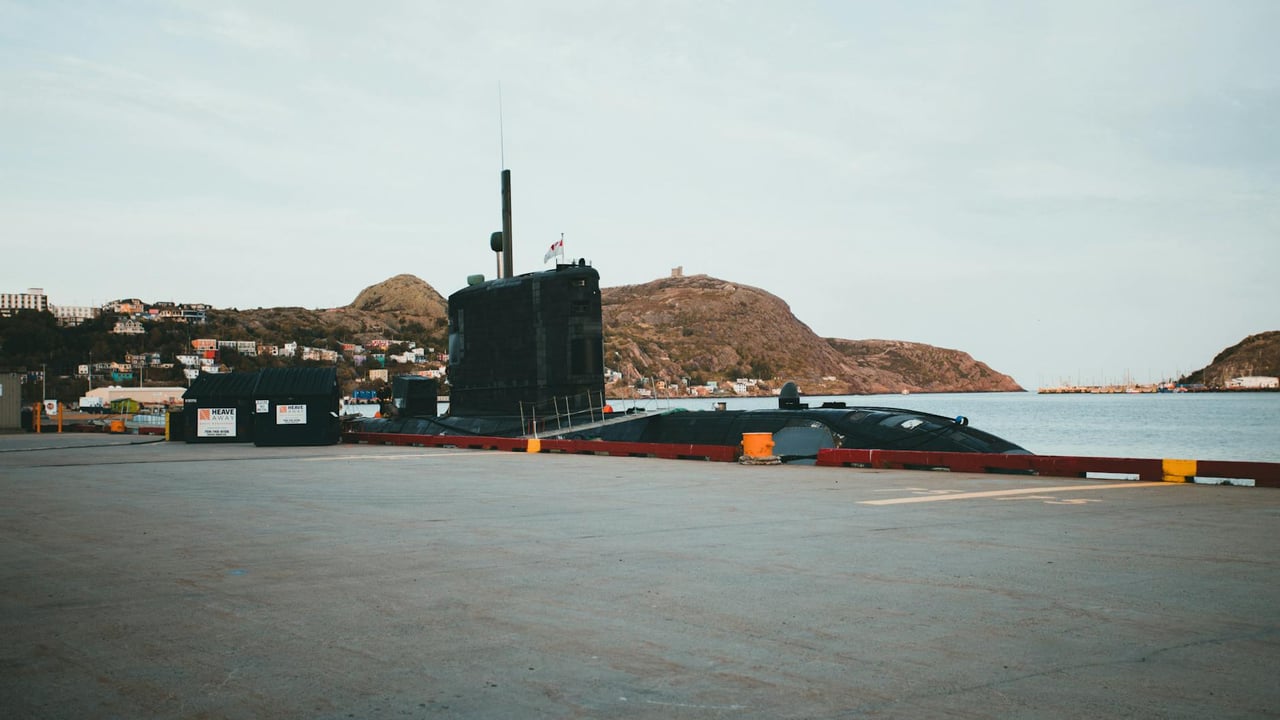

Australia’s ambitious plan to modernize its naval fleet has hit a significant industrial reality check. Richard Marles, the Deputy Prime Minister and Defense Minister, has confirmed that the nation will no longer be acquiring any brand-new "Virginia-class" nuclear submarines from the United States. This marks a notable departure from earlier procurement expectations that underpinned the landmark AUKUS security pact.
Under the original framework of the trilateral partnership between Canberra, London, and Washington, Australia was slated to purchase three Virginia-class vessels starting in the 2030s. The initial arrangement envisioned a mix of two active-service hulls and one newly constructed, upgraded variant. However, current constraints have forced a recalibration, with the Australian government now pivoting entirely toward acquiring existing platforms from the U.S. Navy's active inventory.
This shift underscores the immense pressure currently facing American shipyards, which have struggled to meet domestic production targets while simultaneously fulfilling international commitments. For Canberra, the transition from "new" to "pre-owned" is not merely a logistical tweak but a reflection of the tightening constraints within the global defense industrial base. It highlights the difficulty of scaling up high-tech manufacturing in a period of heightened geopolitical tension.
While active-service submarines remain formidable strategic assets, the decision raises critical questions regarding long-term lifecycle costs and technological parity. Maintaining older hulls often requires more intensive and frequent maintenance schedules, which could complicate Australia’s sovereign transition to a nuclear-powered fleet. This development may also prompt domestic political debate over the value and longevity of the multi-billion dollar investment.
Despite the setback, the Australian government maintains that the core strategic objectives of AUKUS remain on track. The focus is now shifting toward ensuring that the transfer of these active-service assets provides a sufficient operational bridge. This interim fleet is intended to serve until Australia can eventually begin domestic production of the next-generation "SSN-AUKUS" class later in the century.