The AI Factory Blueprint: How Nvidia’s Computex Vision Reconfigures the Global Tech Supply Chain

Nvidia has utilized Computex to unveil its 'AI Factory' strategy, moving beyond GPUs to a full-stack hardware ecosystem that spans from massive data centers to localized AI PCs. This shift is driving a systemic demand for infrastructure, particularly benefiting the global optical communications supply chain and signaling a new phase of AI integration in consumer electronics.

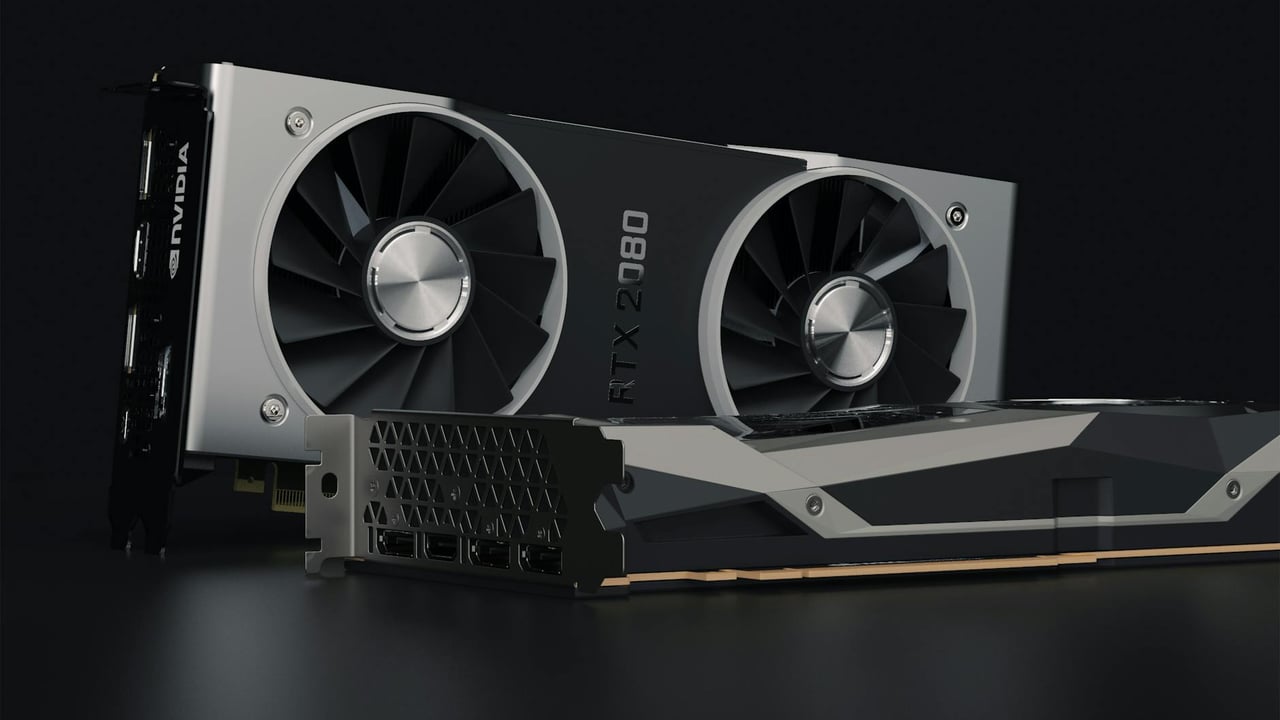
Detailed close-up image of NVIDIA RTX 2080 graphics card showcasing hardware components.

Key Takeaways

  • 1Nvidia introduced the Rubin/Vera Rubin and GB300 architectures to solidify its dominance in rack-level AI systems.
  • 2The focus has shifted toward 'Agentic AI,' bringing powerful AI capabilities to local PC devices through collaborations with Microsoft.
  • 3The AI boom is diversifying into a system-level competition involving optical networking, CPUs, and software ecosystems.
  • 4Chinese technology suppliers, particularly in the optical communications sector, are positioned to benefit from the expansion of the global AI hardware chain.
  • 5The industry is moving from a training-centric phase to an application-centric phase, accelerating the AI PC replacement cycle.

Editor's
Desk

Strategic Analysis

The strategic significance of Nvidia's current trajectory lies in the 'normalization' of AI hardware. By rebranding data centers as 'AI Factories' and pushing for 'Agentic AI' on the edge, Nvidia is effectively ensuring that its silicon becomes as foundational to the 21st century as electricity was to the 20th. For the broader market, particularly the A-share tech sector in China, the 'Overseas Chain' logic suggests that even in a bifurcated geopolitical landscape, the physical infrastructure of the global AI boom remains deeply interconnected. We are witnessing a transition from speculative AI investment to a tangible supply-chain super-cycle, where the bottleneck is no longer just the chip itself, but the optical 'highways' that connect them.

China Daily Brief Editorial
Strategic Insight
China Daily Brief

The 2024 Computex convention has transitioned from a traditional hardware showcase into a manifesto for the next era of industrial computing. Nvidia’s presence at the event signaled a strategic pivot where the company no longer views itself as a mere chipmaker, but as the architect of the 'AI Factory.' This vision is anchored by the introduction of the Rubin and Vera Rubin architectures, alongside the Blackwell GB300 systems, which together push the boundaries of data center scale, networking interconnects, and rack-level integration.

Beyond the massive scale of cloud computing, a significant shift toward 'Edge AI' or localized intelligence was palpable. Nvidia’s collaboration with Microsoft on AI PCs and the introduction of RTX Spark (N1X) technologies suggest that the next frontier is 'Agentic AI.' By moving AI agent capabilities from the cloud directly onto local devices, the industry is preparing for a world where personalized, low-latency AI is embedded in every laptop and desktop, fundamentally altering the personal computer replacement cycle.

This expansion of AI logic is no longer restricted to a single-GPU bull market. The competition has widened into a system-level race involving CPU decoupling, advanced optical communications, and comprehensive software ecosystems. Intel’s announcement of rack-level AI infrastructure at the same event underscores this trend, proving that the hardware requirements for artificial intelligence are overflowing from training clusters into the broader world of inferencing and local device management.

For global investors and the Chinese technology sector, this shift creates a paradoxical opportunity. While geopolitical restrictions complicate direct chip access, the Chinese 'Overseas Technology Chain' remains an essential pillar for global expansion. The demand for optical modules and high-speed interconnects is surging as Nvidia and its peers scale their infrastructure. As AI moves from a conceptual phase to supply-chain stocking and application adaptation, the beneficiaries are those providing the underlying physical layers of this global digital factory.

Share Article

Related Articles

📰
No related articles found