
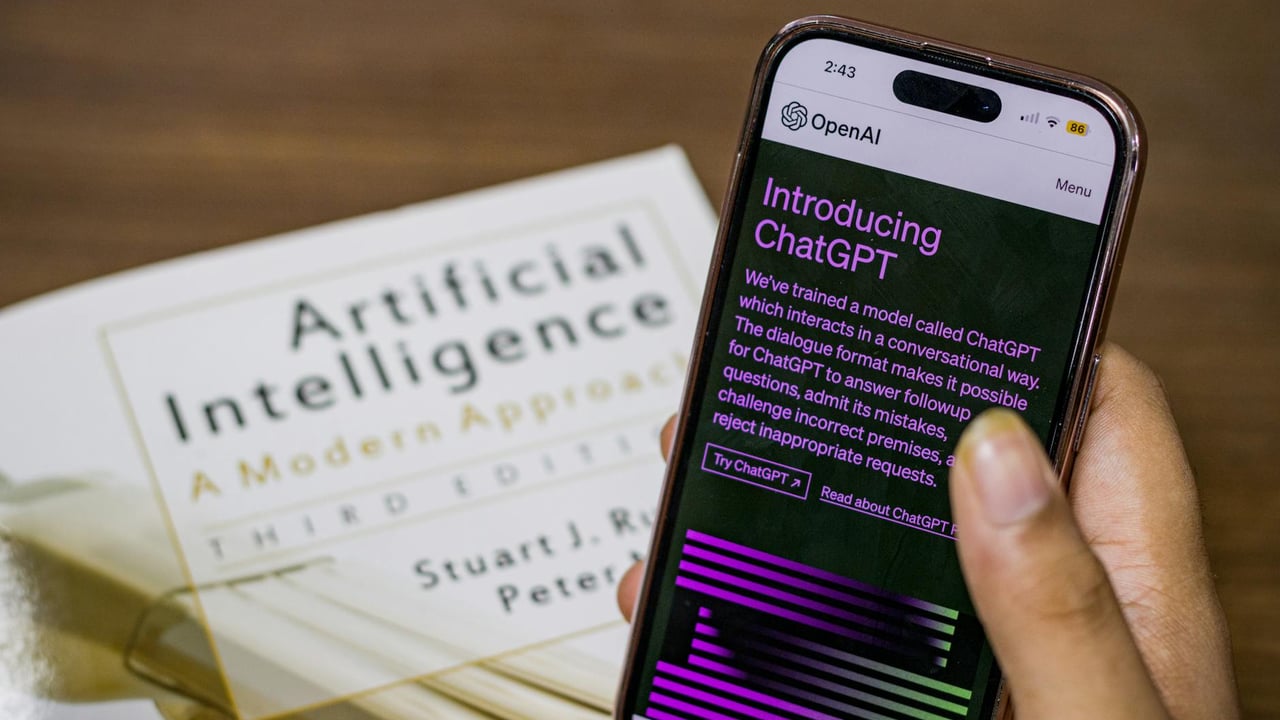

The Dutch information services titan Wolters Kluwer has significantly expanded its enterprise collaboration with OpenAI, marking a pivotal shift in the deployment of generative artificial intelligence within highly sensitive professional sectors. By integrating OpenAI’s advanced large language models directly into its secure digital infrastructure, the firm aims to create specialized solutions for professionals working under strict regulatory oversight. This move signals a transition from the era of general-purpose AI toward high-fidelity, vertical applications where accuracy is non-negotiable.
For Wolters Kluwer, which services the legal, tax, and healthcare industries, the stakes of AI adoption are uniquely high. Unlike consumer-facing applications, professional workflows in these fields cannot tolerate the 'hallucinations' or data leaks often associated with early-stage generative AI. By hosting OpenAI’s technology within its own proprietary security perimeter, the company is attempting to harmonize the creative potential of LLMs with the rigid data privacy and compliance standards required by its global clientele.
This partnership underscores a maturing of the AI ecosystem, where foundational model providers like OpenAI are increasingly leaning on established industry incumbents to gain a foothold in the enterprise market. These incumbents possess the 'last mile' of value: proprietary, high-quality data and a deep understanding of professional user needs. For OpenAI, this represents an opportunity to prove its utility in a 'zero-error' environment, moving beyond experimental use cases into the core of the global professional economy.
The strategic implications extend to the global stage, including the competitive landscape in China, where tech giants are currently racing to develop their own industry-specific models. As the focus of the AI arms race shifts from model size to application reliability, the Wolters Kluwer-OpenAI alliance sets a new benchmark for how legacy information firms can defend their moats while embracing disruptive technology. It reflects a broader industry consensus that the future of enterprise AI lies in specialized, secure, and expert-guided implementation.