Precision Escalation: US Strike on Iran-Linked Tanker Redraws Red Lines in Maritime Security

The U.S. military has conducted a direct missile strike on an Iran-linked tanker, specifically targeting the engine room to disable the vessel. This tactical shift from seizure to kinetic strike signals an escalation in maritime enforcement and poses new risks to regional energy corridors.

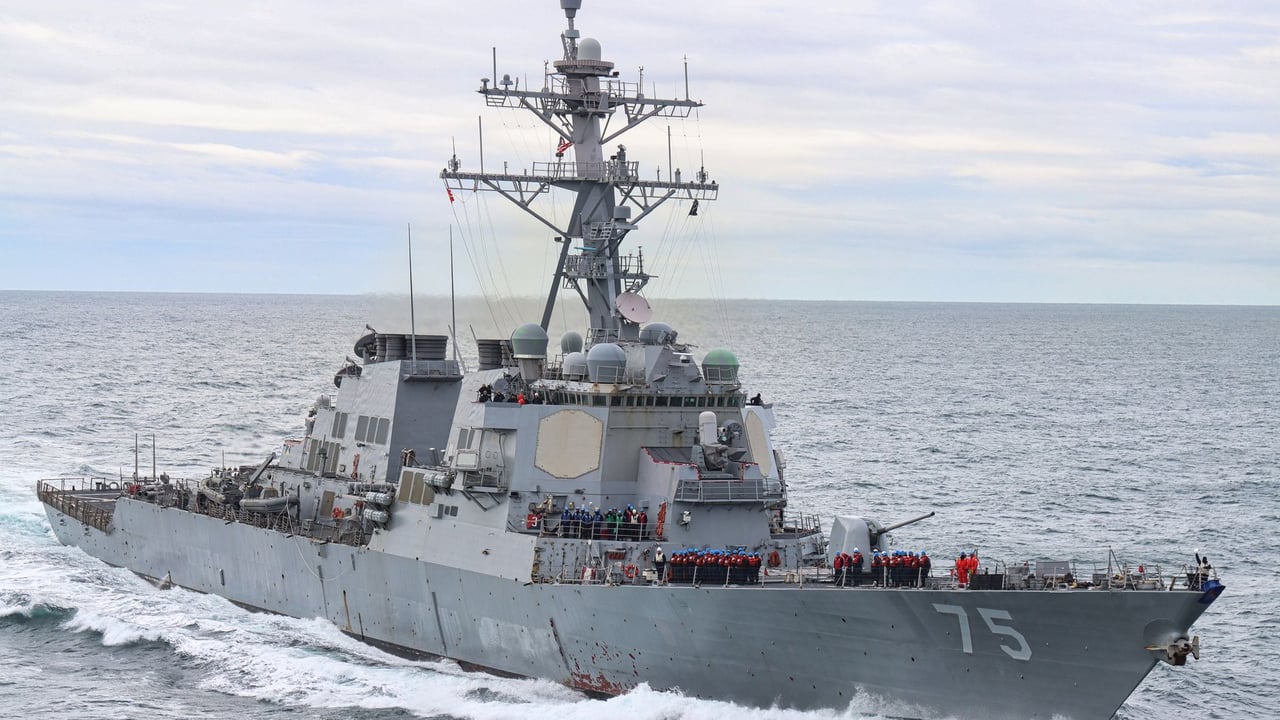
USS Donald Cook warship sailing with crew onboard in open ocean under a cloudy sky.

Key Takeaways

  • 1U.S. fighter jets used precision missiles to target the engine room of an Iran-linked oil tanker.
  • 2The strike aims to disable the vessel's propulsion rather than sink it, likely to avoid environmental catastrophe.
  • 3The incident marks a transition from maritime law enforcement/seizure to direct military engagement.
  • 4Heightened risks are expected for commercial shipping and insurance rates in the Persian Gulf and surrounding waters.
  • 5The move is a clear signal to Iran's 'ghost fleet' used for bypassing international sanctions.

Editor's
Desk

Strategic Analysis

This strike represents a calculated departure from the 'Shadow War' norms that have governed U.S.-Iran maritime friction for years. By choosing to disable a vessel via air strike rather than a standard boarding operation by Navy SEALs or Coast Guard teams, Washington is demonstrating a lower threshold for kinetic action. This 'disablement-at-a-distance' strategy reduces the risk to U.S. personnel while providing a high-definition deterrent for global consumption. However, the strategic danger lies in the precedent it sets: if the U.S. normalizes missile strikes against commercial vessels to enforce sanctions, it may find it difficult to condemn similar 'surgical' actions by adversaries in other vital waterways, such as the South China Sea.

China Daily Brief Editorial
Strategic Insight
China Daily Brief

The recent release of footage showing U.S. fighter jets engaging an Iran-linked tanker marks a volatile new chapter in the long-standing maritime standoff between Washington and Tehran. By specifically targeting the vessel’s engine room with precision-guided munitions, the U.S. military has signaled a shift from traditional interdiction and seizure to direct kinetic disablement.

This maneuver appears designed to neutralize the vessel’s operational capacity without causing the catastrophic environmental or humanitarian fallout associated with a complete sinking. However, the use of air-to-surface missiles against energy infrastructure in international or contested waters raises the stakes for global shipping insurance and regional stability significantly.

The timing of this strike, occurring amidst heightened tensions over regional proxy activities and energy security, suggests that the U.S. is increasingly willing to employ high-end military assets to enforce its strategic red lines. The tactical precision of the strike serves as a visceral warning to the clandestine fleet that facilitates Iranian oil exports despite international restrictions.

As Tehran weighs its response, the international community remains on high alert for potential asymmetric retaliation in the Strait of Hormuz or the Bab el-Mandeb. This incident underscores the fragility of global energy corridors where the line between economic enforcement and outright military conflict is becoming dangerously blurred.

Share Article

Related Articles

📰
No related articles found