Gaza’s Persistent Peril: Drone Strikes and Artillery Barrages Signal No Respite for Refugee Camps

Renewed Israeli military operations, including a drone strike on the Shati refugee camp and artillery fire across Jabalia and Khan Yunis, have caused further casualties and displacement. These events underscore the persistent volatility of the Gaza conflict and the absence of a viable exit strategy or ceasefire.

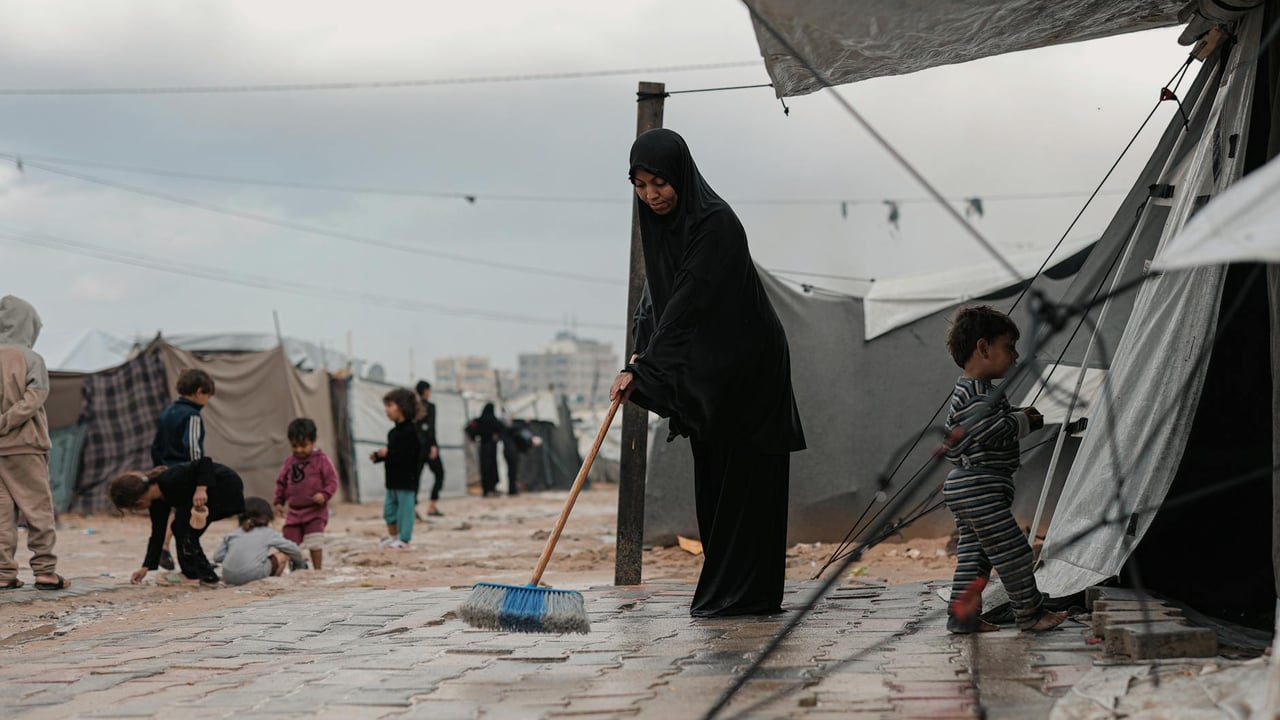
A woman sweeps in a Gaza refugee camp with children playing nearby.

Key Takeaways

  • 1An Israeli drone strike on the Shati refugee camp in western Gaza City injured at least 10 people.
  • 2Concurrent artillery barrages targeted eastern Gaza City and the Jabalia refugee camp in the north.
  • 3Military operations extended to the southern city of Khan Yunis, indicating a synchronized multi-front offensive.
  • 4The use of precision drones in dense refugee areas continues to raise significant humanitarian concerns regarding civilian safety.

Editor's
Desk

Strategic Analysis

The shift toward localized drone strikes and consistent artillery harassment reflects a strategy of 'fragmented warfare.' By maintaining pressure on disparate points like Shati, Jabalia, and Khan Yunis simultaneously, the IDF seeks to prevent any regrouping of militant forces while avoiding the political and military costs of a total, static re-occupation. However, this strategy creates a perpetual state of insecurity that makes humanitarian aid delivery nearly impossible and deepens the diplomatic rift between Israel and international observers calling for a transition to post-war governance.

China Daily Brief Editorial
Strategic Insight
China Daily Brief

The conflict in the Gaza Strip entered another grim chapter as an Israeli drone strike targeted a tent within the Shati refugee camp in western Gaza City. The precision strike, which occurred late on June 2nd, reportedly left ten individuals wounded, adding to the staggering humanitarian toll in one of the world's most densely populated urban environments.

While the drone strike on Shati drew immediate attention, it was merely one component of a coordinated wave of operations. By the early hours of June 3rd, reports emerged of intense Israeli artillery fire hitting eastern Gaza City, the Jabalia refugee camp in the north, and various sectors of Khan Yunis in the south. This multi-pronged approach demonstrates a continued strategy of high-frequency, localized military pressure across the entire enclave.

For international observers, these strikes highlight the evolving nature of the conflict, transitioning from large-scale ground maneuvers to a persistent cycle of surveillance and targeted attrition. The use of drones in crowded refugee camps like Shati underscore the immense risks to civilians, as even surgical strikes often result in collateral damage among those seeking shelter in temporary encampments.

This latest escalation suggests that a durable ceasefire remains elusive, as military objectives continue to take precedence over international calls for a humanitarian pause. As the geographical breadth of the attacks spans from the northern tip of Jabalia to the southern hubs of Khan Yunis, the sense of 'safe zones' within Gaza remains a tragic misnomer for the displaced population.

Share Article

Related Articles

📰
No related articles found