
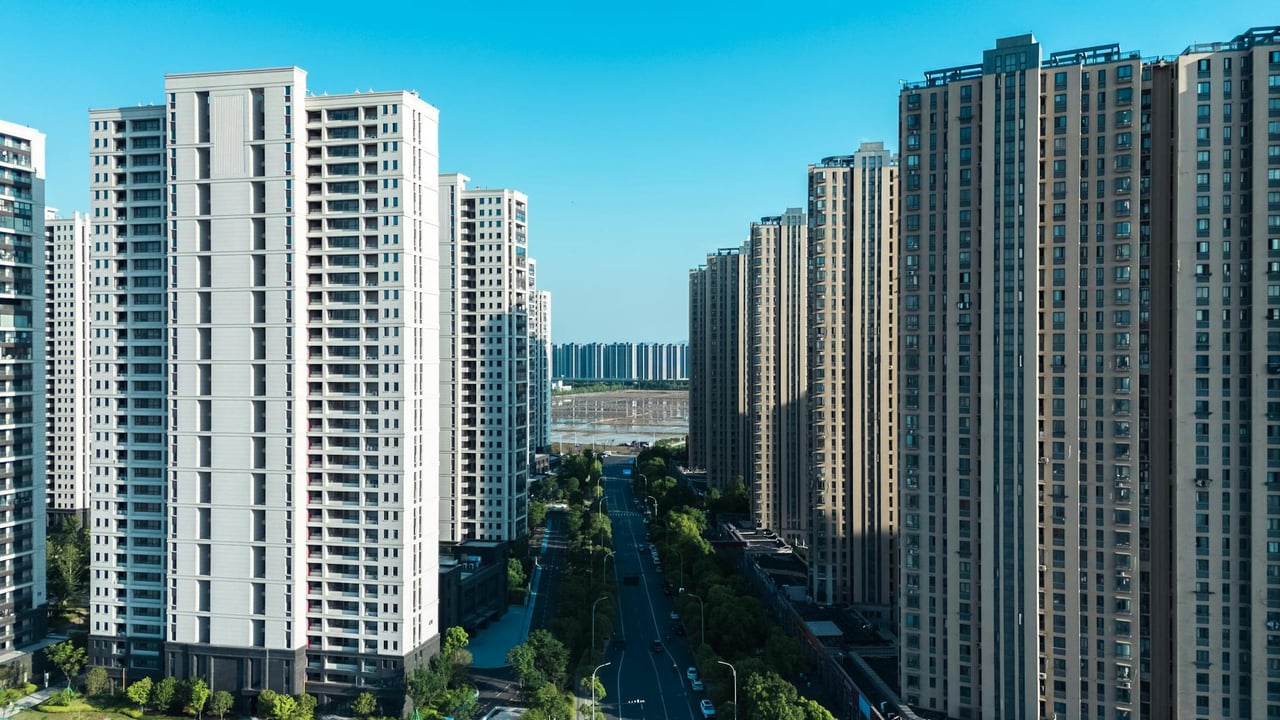

In the scenic city of Hangzhou, the traditional rules of the Chinese property market are being rewritten by a new class of tech-wealthy elite. To even step foot into the most exclusive new showrooms, prospective buyers must provide proof of assets totaling 80 million RMB (approximately $11 million USD). This astronomical barrier to entry has not deterred interest; instead, high-end developments are selling out within hours, signaling a profound decoupling of luxury real estate from the broader national housing crisis.
This phenomenon is being driven by what locals call the 'Luxury Dragon Six,' a group of high-profile developments built on prime land during the height of the previous market cycle. Rather than falling victim to the cooling economy, these projects are being snatched up by a demographic that looks nothing like the property speculators of the past. The new buyers are predominantly founders, executives, and core technical staff from the semiconductor, artificial intelligence, and new materials sectors, mostly aged between 35 and 45.
While the rest of the country grapples with a sluggish recovery, Hangzhou is reaping the rewards of its strategic pivot toward 'hard technology.' The city’s success is anchored in the massive '3+N' industrial fund cluster, a 500-billion RMB government-backed initiative designed to nurture early-stage startups and long-term research. This state-led investment strategy has turned Hangzhou into a factory for initial public offerings (IPOs), creating a localized wealth effect that flows directly from the stock market into luxury assets.
Specific success stories are fueling this fire. Companies like Unitree, which completed its IPO process in record time, and the AI powerhouse DeepSeek—now valued at over 300 billion RMB—are 'batch-producing' high-net-worth individuals. When employees under 30 find themselves with eight-figure net worths following a successful listing, their first instinct is often to secure an address in one of the city's prestigious new districts. For these investors, a luxury apartment is not just a home, but a symbol of their arrival in the new digital aristocracy.
Hangzhou’s current boom suggests that the future of Chinese real estate may be hyper-local and sector-dependent. As the economy shifts away from debt-fueled construction toward innovation-led growth, the centers of wealth are concentrating in cities that can successfully bridge the gap between lab research and capital markets. In Hangzhou, the property market is no longer a driver of the economy, but a mirror reflecting the success of the city’s high-tech industrial policy.