
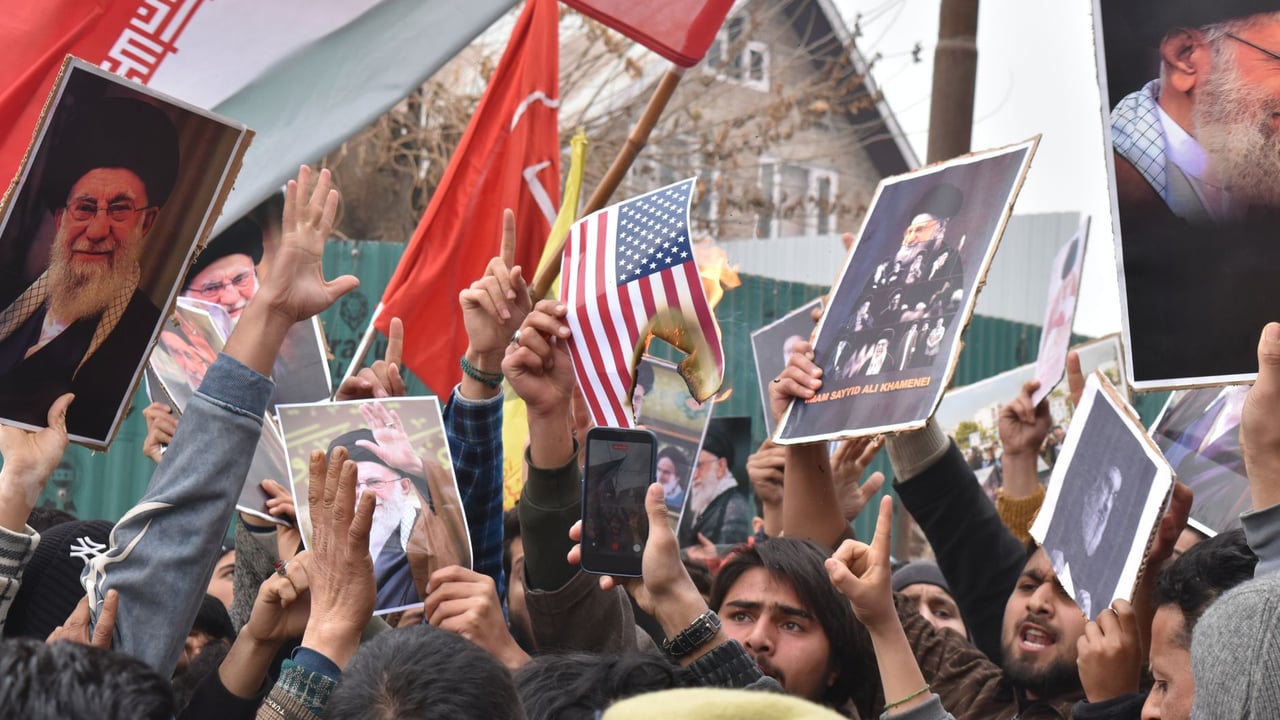

As geopolitical friction between Washington and Tehran threatens to boil over into open conflict, Beijing has officially stepped in to urge restraint, signaling its growing anxiety over Middle Eastern stability. The Chinese Foreign Ministry stated that a resumption of war would be catastrophic for the international community and serves the interests of no party involved. This intervention underscores China's deepening role as a self-styled mediator in a region traditionally dominated by Western security architecture.
China’s diplomatic posturing is deeply rooted in its 'Global Security Initiative,' which advocates for dialogue over what it terms 'unilateral bullying' or military intervention. By positioning itself as the voice of reason, Beijing seeks to contrast its approach with the more confrontational stance often adopted by the United States. This rhetoric is not merely philosophical but is a pragmatic response to the high stakes China holds in regional peace.
Energy security remains the primary driver behind China’s diplomatic urgency. As the world’s largest importer of crude oil, Beijing views any potential disruption to the Strait of Hormuz or broader Middle Eastern supply chains as a direct threat to its domestic economic stability. Any spike in energy prices resulting from a US-Iran conflict would significantly hinder China's ongoing efforts to maintain steady industrial growth.
Furthermore, the statement reflects China’s strategic interest in protecting its Belt and Road Initiative (BRI) investments throughout the region. Large-scale infrastructure projects and trade routes across the Middle East rely on a stable security environment, making Beijing a stakeholder in the status quo. Through these diplomatic channels, China is attempting to leverage its economic influence to prevent a regional conflagration that would derail its long-term strategic ambitions.