
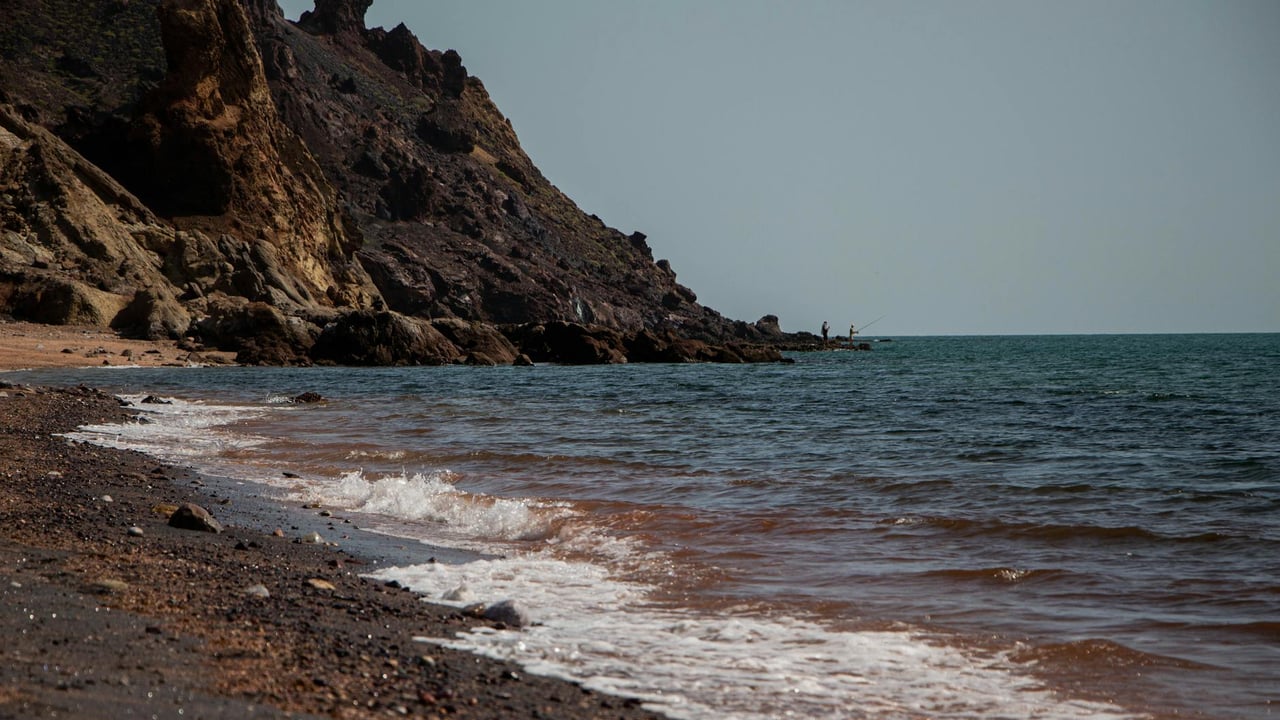

The turquoise waters off the Musandam Peninsula have become the latest theater for a grueling geopolitical stalemate. Hundreds of commercial vessels now sit idle at the southern entrance of the Strait of Hormuz, serving as silent witnesses to the intensifying friction between Washington and Tehran. This maritime logjam is not merely a logistical hiccup but a calculated manifestation of the fundamental divide in ongoing bilateral negotiations.
At the heart of the dispute lies a radical disagreement over the legal status of this vital waterway. The United States is demanding that the Strait be recognized as a 'free sea' under international norms, effectively stripping Tehran of its ability to impose transit fees or restrictive oversight. For Washington, unrestricted access is a non-negotiable pillar of global energy security and maritime commerce.
Tehran, however, views the Strait as its most potent asymmetric asset. Rather than acquiescing to the American vision of a global commons, Iranian negotiators are pushing for a localized 'security protocol.' This framework would formalize Iran’s dominant role in policing the passage, transforming a geographic reality into a permanent diplomatic and economic cudgel.
The economic ramifications of this deadlock are vibrating through global markets. As tankers remain anchored off the coast of Oman, the uncertainty surrounding the world’s most critical oil transit point threatens to destabilize energy pricing. This is a classic exercise in brinkmanship where the flow of global trade is being held hostage to the outcome of a legal and sovereign tug-of-war.