
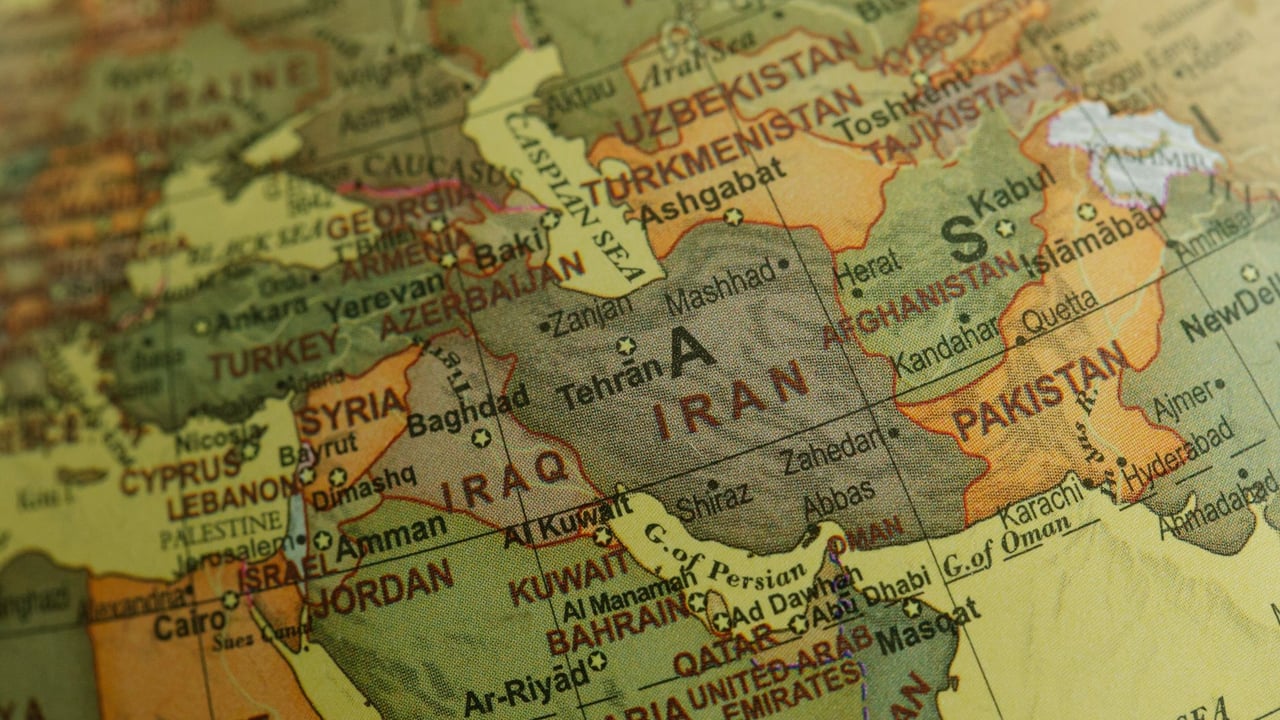

The Gulf Cooperation Council (GCC) has issued a stinging rebuke following what it describes as 'unprecedented' Iranian attacks on civilian and diplomatic targets in Bahrain and Kuwait. Jasem Mohamed Albudaiwi, the GCC Secretary-General, condemned the strikes as a dangerous escalation that directly threatens the sovereignty of member states. The incidents mark a sharp departure from the fragile detente that has characterized regional politics over the last few years.
For Bahrain and Kuwait, these attacks target more than just physical infrastructure; they strike at the heart of the regional security architecture. The GCC’s subsequent statement emphasized that the security of its members is 'indivisible,' signaling that an attack on one is viewed as an attack on all. This collective stance is intended to deter further Iranian aggression and demonstrate a unified front to a global audience often distracted by competing geopolitical crises.
The targeting of diplomatic facilities is especially provocative, violating long-standing international norms regarding the sanctity of foreign missions. Such actions suggest a breakdown in the back-channel communications that have previously managed tensions between Tehran and its neighbors across the Persian Gulf. As civilian infrastructure also bore the brunt of the strikes, the humanitarian and economic implications for the small but oil-rich states remain substantial.
International observers are now watching closely to see how global powers, particularly those with significant interests in the Strait of Hormuz, will react. The GCC has already called upon the international community to take a 'firm stand' against these destabilizing actions. This plea places the onus on the UN Security Council and major energy importers to address the risk of a wider conflict in the world's most vital energy corridor.