
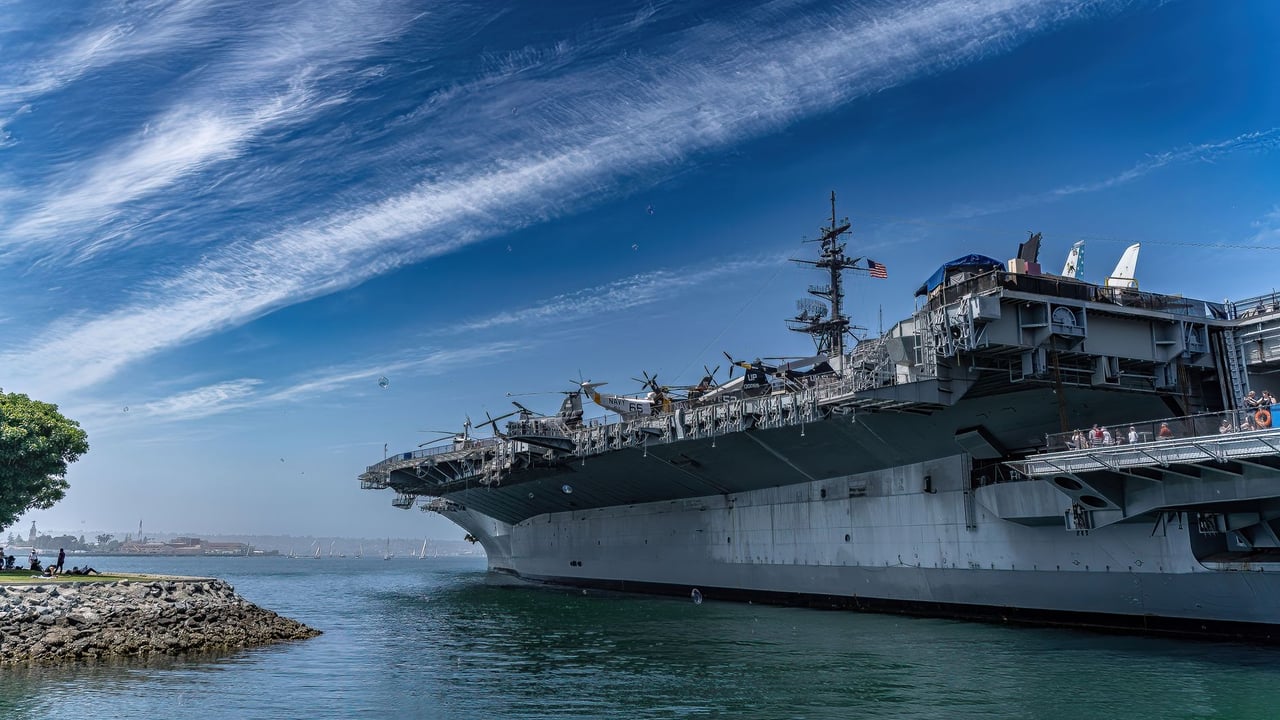

In the volatile waters of the Arabian Sea, the USS Abraham Lincoln has become the primary instrument of American coercive diplomacy. As the sole U.S. aircraft carrier currently deployed to the region, its mission has shifted from broad regional presence to the rigorous enforcement of a maritime blockade against Iran. This deployment underscores a period of heightened friction where naval power is being used not just for deterrence, but for active economic and logistical interdiction.
Recent data from U.S. Central Command reveals the sheer scale of this enforcement effort. The American military has reportedly intercepted and rerouted 122 commercial vessels deemed to be in violation of the blockade. This level of intervention suggests a highly sophisticated surveillance and response network designed to sever Tehran’s remaining maritime lifelines, turning the Arabian Sea into a controlled corridor where only compliant traffic may pass.
While the presence of a single carrier strike group might appear modest compared to the multi-carrier task forces of the past, the Lincoln’s operations are part of a broader, high-density military footprint. This strategy reflects Washington’s attempt to maintain 'maximum pressure' on the Iranian regime while balancing global naval commitments. By focusing on merchant traffic, the U.S. is effectively weaponizing freedom of navigation to serve specific geopolitical objectives.
The strategic implications of this blockade extend beyond the immediate security of the Middle East. Forcing over a hundred ships to alter their courses creates significant ripples in global supply chains and insurance markets. As the Lincoln continues its mission, the international community is left to weigh the costs of this prolonged confrontation against the stated goal of regional stability.