Japan’s New Defense Diplomacy: Shredding the Constraints of the Peace Constitution

Japan is aggressively expanding its defense exports and multilateral military cooperation, using projects like the GCAP fighter to bypass long-standing pacifist constraints. This shift toward a more offensive military posture and global arms marketing represents a strategic 'salami-slicing' of its Peace Constitution.

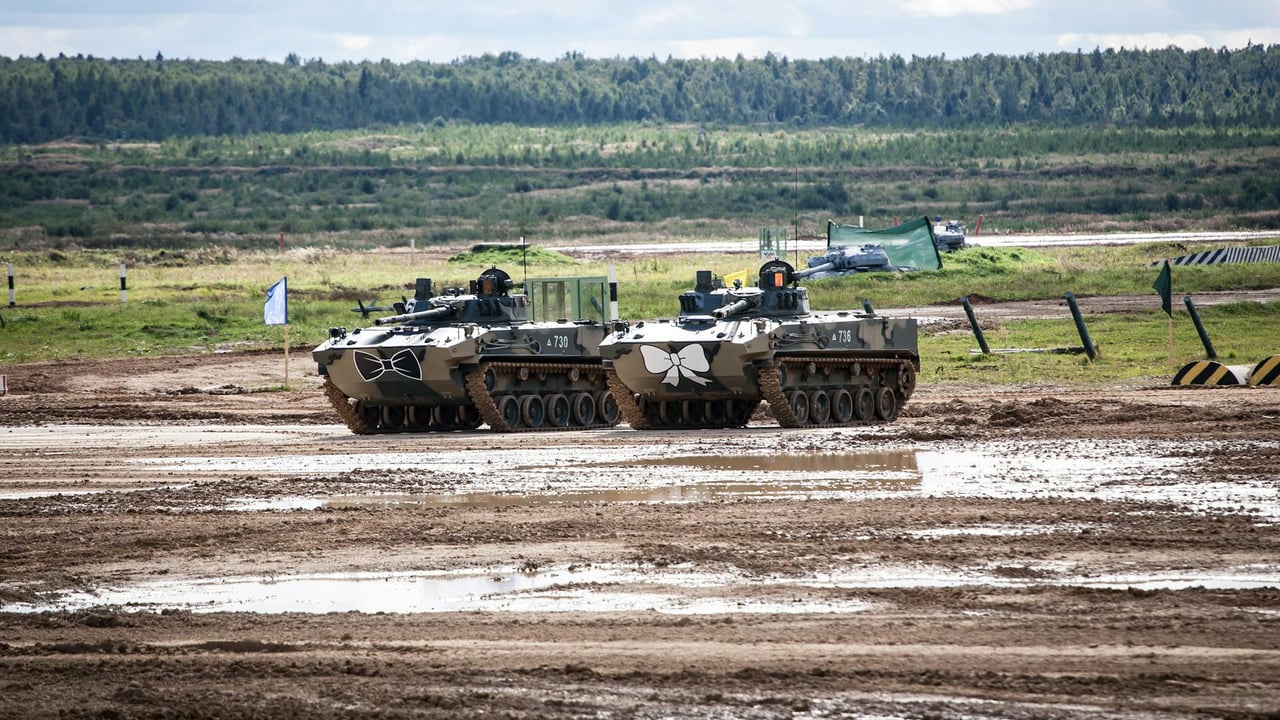
Two military tanks on a muddy field during a cloudy day, showcasing combat readiness.

Key Takeaways

  • 1Japan, the UK, and Italy are creating an 'observer mechanism' for the GCAP sixth-generation fighter to share data with potential buyers like Canada.
  • 2Tokyo is accelerating the export of naval frigates and military trainers to the Philippines and exploring similar deals with Australia and New Zealand.
  • 3The Japanese government is deepening missile co-production with the U.S., specifically targeting advanced air-to-air and interceptor systems.
  • 4Analysts suggest these moves are a deliberate strategy to hollow out Article 9 of the constitution by creating 'fait accompli' military capabilities.
  • 5Japan's defense strategy is evolving from a bilateral U.S.-focused alliance to a multilateral network involving NATO and Indo-Pacific partners.

Editor's
Desk

Strategic Analysis

The strategic significance of Japan’s recent defense maneuvers lies in the transition from 'passive defense' to 'active industrial participation.' By integrating itself into the global defense supply chain through the GCAP and missile co-development, Japan is ensuring that its military-industrial complex becomes 'too big to fail' and too integrated with Western allies to be restricted by old domestic laws. This internationalization serves a dual purpose: it mitigates the political risk of domestic constitutional reform while simultaneously forcing regional neighbors—most notably China—to contend with a Japan that is increasingly willing to project power through technology transfers and maritime security partnerships. The 'new role' Tokyo seeks is essentially that of a regional security anchor that uses arms exports as a form of diplomatic currency.

China Daily Brief Editorial
Strategic Insight
China Daily Brief

For decades, Japan’s post-war identity was anchored in its pacifist constitution, a 'shield' that restricted its military to strictly defensive roles. However, recent developments surrounding the Global Combat Air Programme (GCAP) suggest that Tokyo is decisively pivoting toward a more assertive role as a global arms exporter and strategic military actor. By spearheading an 'observer mechanism' for its sixth-generation fighter project with the United Kingdom and Italy, Japan is effectively establishing a pipeline for future weapons sales to nations like Canada, Germany, and Poland.

This shift is not confined to the skies. Japan’s defense establishment has embarked on a diplomatic blitz to market its naval and missile technologies across the Indo-Pacific. In recent high-level dialogues, Tokyo has moved to accelerate the export of frigates to the Philippines and initiated joint development of advanced interceptor missiles with the United States. These moves represent a departure from the historical 'Three Principles' on arms exports, signaling that Japan’s defense industry is no longer a domestic-only enterprise but a central pillar of its regional strategy.

Beijing views these developments with profound skepticism, characterizing them as a 'salami-slicing' strategy designed to hollow out Japan’s Peace Constitution. Rather than attempting a single, politically explosive constitutional amendment, Tokyo appears to be using a series of incremental defense contracts and multilateral partnerships to create a new status quo. By the time a formal legal change is proposed, the structural reality of the Japanese Self-Defense Forces will have already transitioned from a defensive shield to an offensive spear.

Furthermore, Tokyo is actively diversifying its security portfolio beyond the traditional U.S.-Japan alliance. By weaving a multilateral web that includes NATO members and regional partners like Australia and New Zealand, Japan is attempting to internationalize the security dynamics of East Asia. This strategy aims to draw extra-regional powers into the South China Sea and beyond, complicating China’s regional calculations and positioning Japan as a primary architect of a new, more muscular security architecture in the Indo-Pacific.

Share Article

Related Articles

📰
No related articles found