
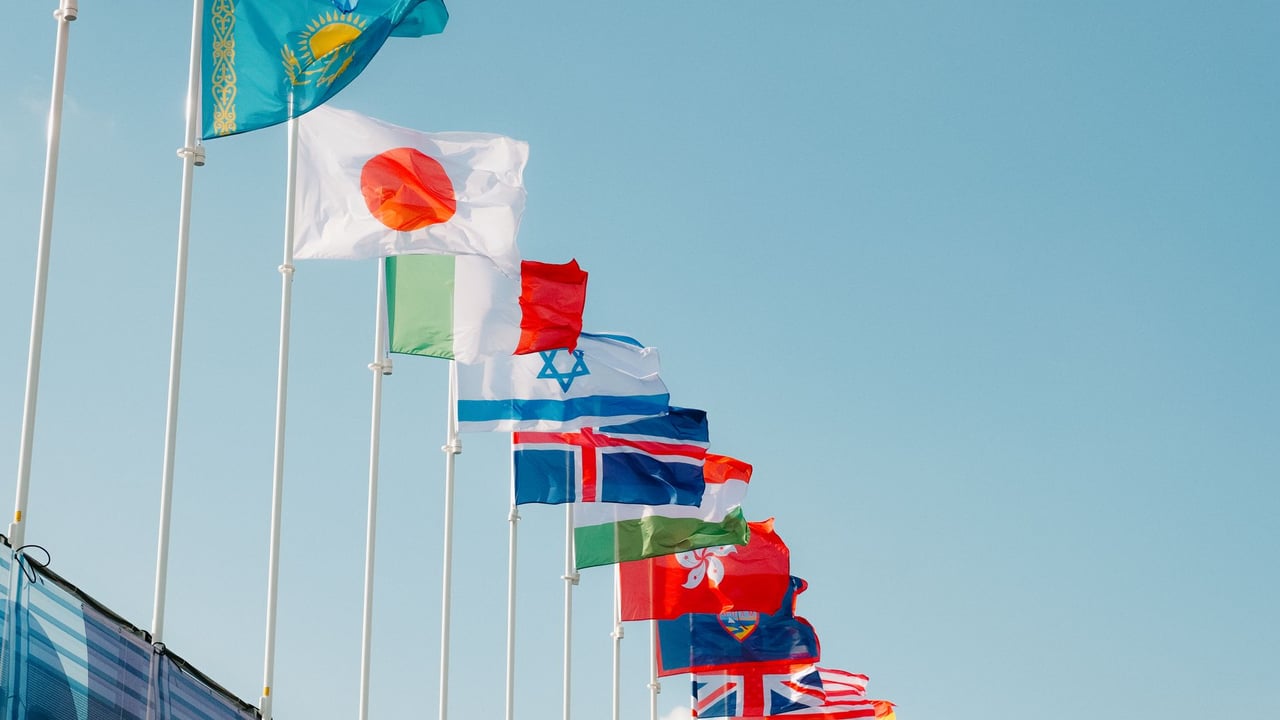

Paris has once again signaled its disapproval of Israeli military policy by banning the country’s government representatives from Eurosatory, one of the world's premier defense exhibitions. The decision, set to take effect for the June 2026 event, effectively strips Israel of its national pavilion and restricts its defense contractors to showcasing only defensive technologies, such as missile shields. This move underscores the widening diplomatic chasm between the two nations as regional tensions continue to boil.
The Israeli Ministry of Defense has lashed out at the move, labeling the restrictions as "discriminatory" and fueled by a mix of political posturing and commercial opportunism. This exclusion marks a significant blow to the Israeli defense sector, which relies on major international trade shows to secure the high-value contracts that sustain its sophisticated military-industrial complex. The ministry maintains that the ban unfairly targets Israeli innovation under the guise of geopolitical necessity.
The timing of the ban is inextricably linked to the intensifying military operations in Lebanon, which have drawn sharp condemnation from European capitals. French President Emmanuel Macron has been vocal in his criticism, stating that the recent escalation in southern Lebanon lacks any justification and threatens the fragile stability of the broader Middle East. France, along with the UK and Germany, has expressed deep concern over the humanitarian and regional implications of the current offensive.
This is not an isolated diplomatic spat but rather the latest chapter in a deepening rift between Israel and its traditional European security partners. Following the 2024 conflict in Gaza, France imposed similar bans at Eurosatory and Euronaval, while the United Kingdom followed suit by barring official Israeli delegations from its own defense exhibitions in 2025. These recurring restrictions suggest a coordinated effort by European powers to use industrial access as a lever for peace.
For the global arms trade, these repeated exclusions signal a shift where defense procurement and trade shows are increasingly being used as tools of European foreign policy. As Israel finds its traditional avenues for military diplomacy shrinking in the West, it may be forced to recalibrate its strategic alliances. The long-term impact on French-Israeli security cooperation remains uncertain, but the current trajectory points toward a period of prolonged strategic estrangement.