
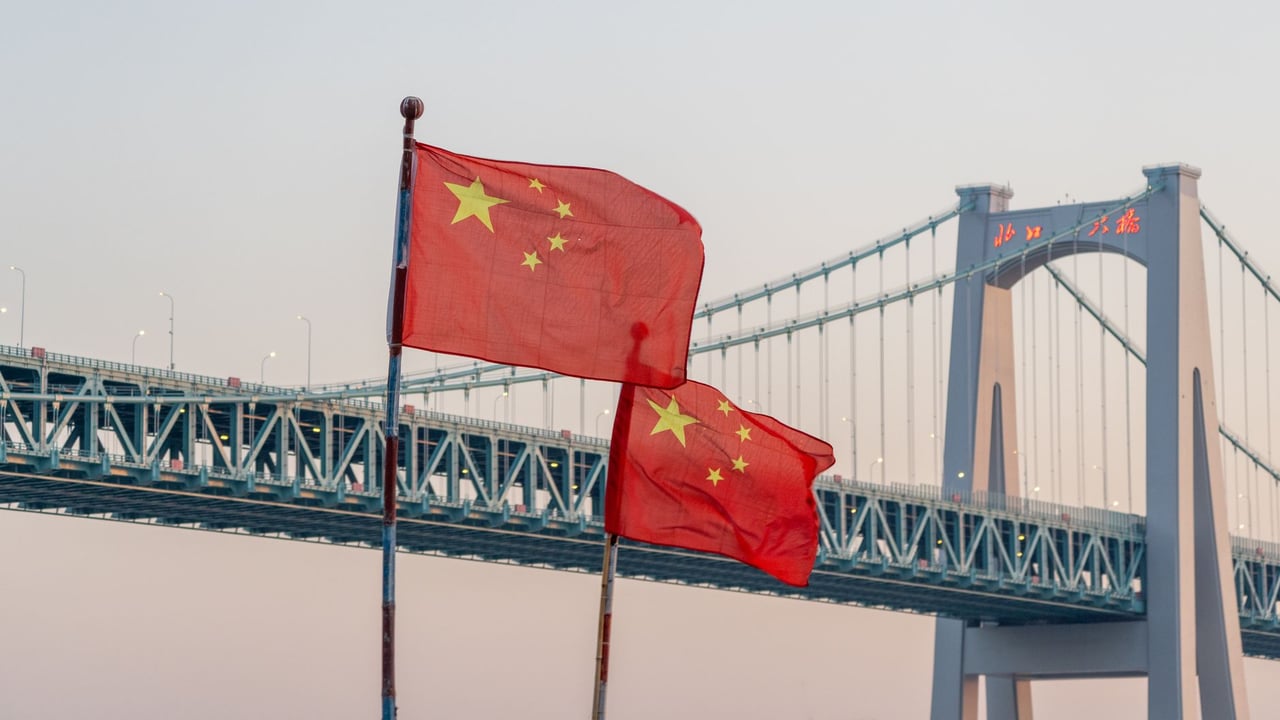

Standing beneath the gleaming white dome of a high-speed rail station he helped construct, a contractor named Old Zhou is a ghost in his own creation. While crowds rush toward the gates, Zhou is barred from boarding; his name has been added to China’s ‘restricted consumption’ list. He is officially a ‘laolai,’ or a deadbeat debtor, because he cannot pay his suppliers. Ironically, the true source of the debt lies with the state-owned enterprise (SOE) that still owes him tens of millions for the very project he completed.
Zhou’s plight is a microcosm of a systemic crisis rotting the pillars of China’s ‘Infrastructure Mania.’ For decades, the country’s breakneck development was fueled by a tier of private contractors who staked their personal assets to build bridges, roads, and skyscrapers. Today, many of these ‘infrastructure heroes’ are being systematically criminalized for liquidity issues beyond their control. This shift marks a dangerous erosion of the trust that once underpinned China’s construction-led economic growth.
In the insular world of Chinese engineering, a palpable fear has replaced the former competitive fervor. Where hundred-billion-yuan projects once drew queues of eager bidders, local governments are now finding it difficult to attract a single applicant. Over the past year, more than 700 major engineering projects have seen their bidding processes fail or be abandoned. Contractors are increasingly adopting a ‘three no-nos’ policy: no projects requiring over 30% self-funding, no cycles over six months, and no full self-funding under any circumstances.
The scale of the financial rot is staggering. By the end of 2025, accounts receivable for large-scale industrial enterprises in China exceeded 27.43 trillion RMB ($3.8 trillion). This mountain of debt creates a ‘triangle debt’ trap, where the state fails to pay the main contractor, who then fails to pay the subcontractors and suppliers. This chain reaction eventually lands the smallest players in court, while the primary debtors—often powerful SOEs—hide behind bureaucratic ‘auditing processes’ to delay payment indefinitely.
Legal experts argue that this crisis is institutionalized through predatory contract terms. Many SOEs utilize their dominant market position to include ‘back-to-back’ clauses, which state that subcontractors will only be paid once the owner pays the prime contractor. This effectively shifts all financial risk and interest burdens onto the most vulnerable private firms. Even when projects are completed and in use, authorities sometimes delay final audits for years to keep the debt off the immediate books.
While Beijing has attempted to intervene with the 2025 ‘Regulations on Ensuring Payment of Debts to Small and Medium-sized Enterprises,’ the results remain underwhelming. Many contractors are terrified of suing state-linked clients, fearing they will be permanently blacklisted from future projects. Without a fundamental shift toward the ‘pay first, dispute later’ models seen in Singapore or the protected trust accounts used in the UK, the ‘clearing debt’ campaigns remain mostly cosmetic.
The consequences of this impasse extend far beyond the construction site. As contractors choose to ‘lie flat’ or face bankruptcy, the quality of future infrastructure is at risk, and the social contract between the state and the private sector is fraying. If the men who built modern China continue to be treated as criminals for the state’s own fiscal failures, the next generation of builders may simply never show up to the site.