
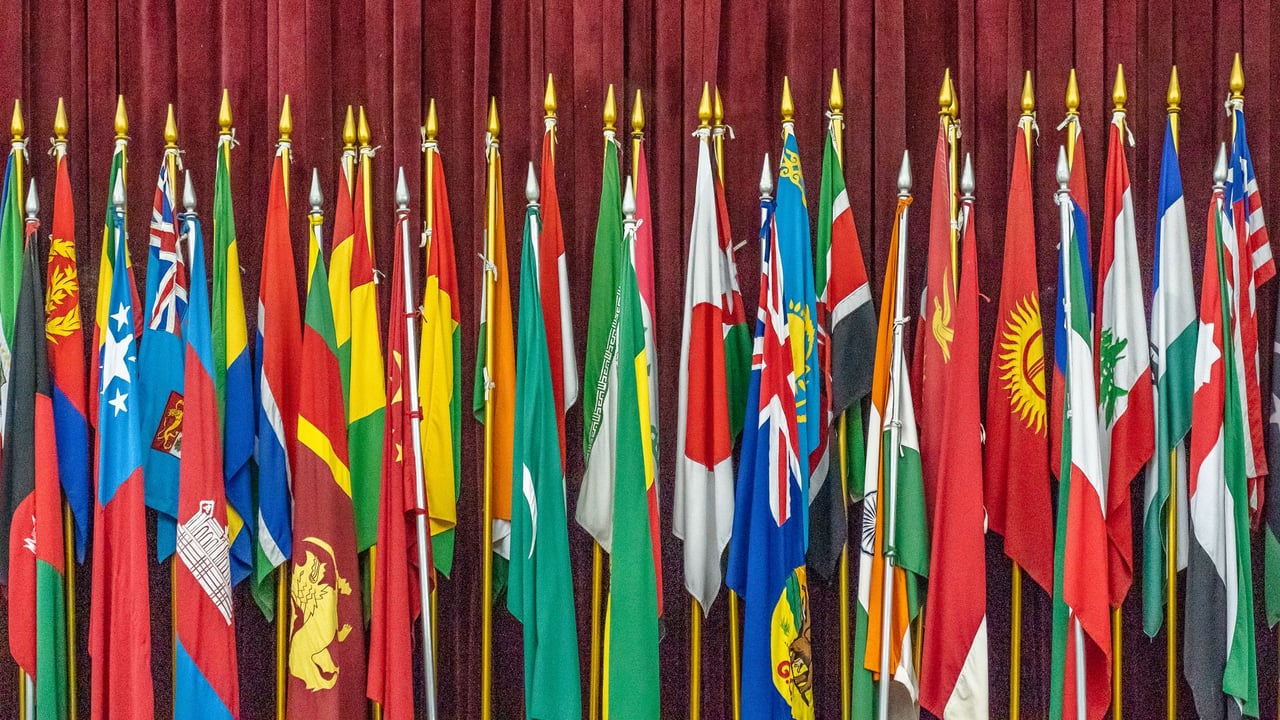

The landscape of international diplomacy shifted significantly at the United Nations General Assembly as the 2026 elections for the Security Council’s non-permanent seats concluded. While Austria and four other nations successfully secured their two-year mandates, the headlines were dominated by the unexpected failure of heavyweights Germany and the Philippines to gather the requisite support. This result signals a recalibration of influence within the world’s most powerful deliberative body, where prestige often clashes with the harsh realities of geopolitical alignment.
For Germany, the loss is a particularly bitter pill to swallow. As a leading member of the 'G4' nations alongside Japan, India, and Brazil, Berlin has long campaigned for a permanent seat on the Council. Falling short of even a non-permanent position suggests that its current diplomatic strategy—focused on European leadership and liberal internationalism—is struggling to resonate with the broader General Assembly, which is increasingly dominated by the priorities of the Global South. It highlights a growing skepticism toward Western powers that seek to dominate the UN’s security agenda.
In the Indo-Pacific, the Philippines' defeat carries heavy strategic weight. Manila has recently pursued an assertive foreign policy, strengthening its alliance with the United States and challenging maritime claims in the South China Sea. However, its failure to secure a Council seat suggests that this pivot has not translated into broad international consensus. Within the UN, where votes are often bartered for development aid or political neutrality, Manila’s inability to cross the finish line may indicate that its vocal stance on regional security has alienated more cautious member states.
Ultimately, the ascent of Austria and its peers represents a preference for 'middle power' diplomacy that prioritizes mediation over confrontation. Austria, with its long-standing tradition of neutrality and its status as a host for major international organizations, offers the Council a bridge between the polarized permanent members. As the UN faces mounting criticism over its inability to resolve conflicts in Ukraine, Gaza, and the Pacific, these new members will enter a chamber defined more by gridlock than by collective action.