
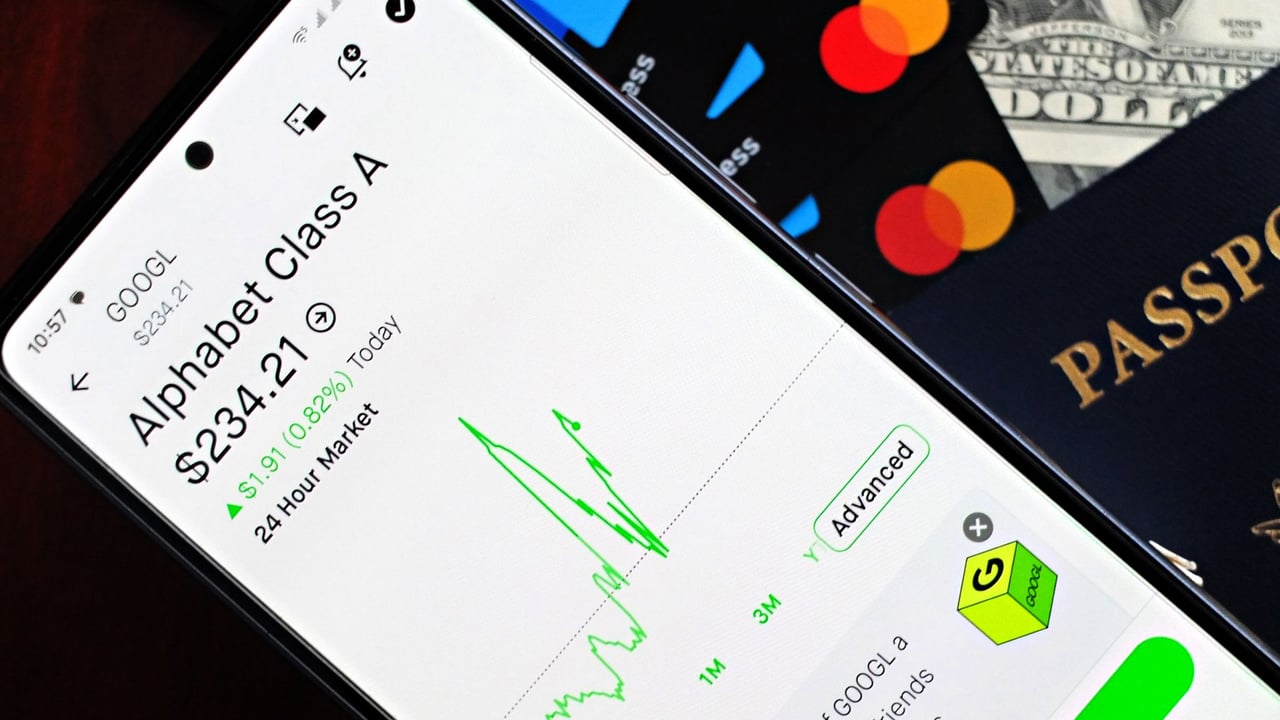

While the global market remains captivated by Nvidia’s meteoric rise, Berkshire Hathaway is executing a quieter, more calculated maneuver. In a significant shift from its three-year streak of net equity sales, the Omaha-based conglomerate has funneled billions into Alphabet, positioning Google’s parent company as a top-tier holding. This 2026 strategic surge, involving a massive $10 billion private placement, signals a definitive move by the post-Buffett leadership to capture the AI era through the lens of traditional value investing.
The logic behind this move, spearheaded by CEO Greg Abel, marks a strategic evolution in the Berkshire playbook. Rather than chasing the volatile frontier of generative AI models, Abel is betting on the infrastructure—the massive data centers, custom TPU silicon, and cloud networks that form the essential plumbing of the digital age. This mirrors Warren Buffett’s 2009 acquisition of BNSF Railway, treating the digital backbone of the internet as a modern utility with high barriers to entry and predictable cash flows.
Berkshire’s preference for Alphabet over Nvidia stems from a disciplined focus on valuation and 'knowable' business models. While Nvidia’s growth has been historic, its valuation multiples remain outside the traditional Berkshire comfort zone. In contrast, Alphabet offered a robust free cash flow profile and a trailing P/E that recently sat near 17x, a price point that Greg Abel found attractive for a company controlling 90% of the global search market and a rapidly expanding cloud business.
Institutional skepticism regarding pure-play AI startups further clarifies Berkshire’s stance. Vice Chairman Ajit Jain has noted that while AI may eventually be a 'game-changer' for insurance and logistics, it still requires years to prove its reliability in complex decision-making. By investing in Alphabet, Berkshire gains exposure to AI's upside through a company that can self-fund its massive capital expenditures while maintaining a nearly impenetrable moat in search and data distribution.
This shift also highlights Berkshire’s historical caution regarding the semiconductor sector. Despite previously holding positions in TSMC and Intel, Buffett has long sought a 'wonderful' US-based semiconductor business that matches the manufacturing excellence of Asian giants. In the absence of a direct play on domestic manufacturing that fits his criteria, Alphabet’s move toward in-house chip design offers a proxy for semiconductor innovation without the cyclical risks of the broader hardware market.