
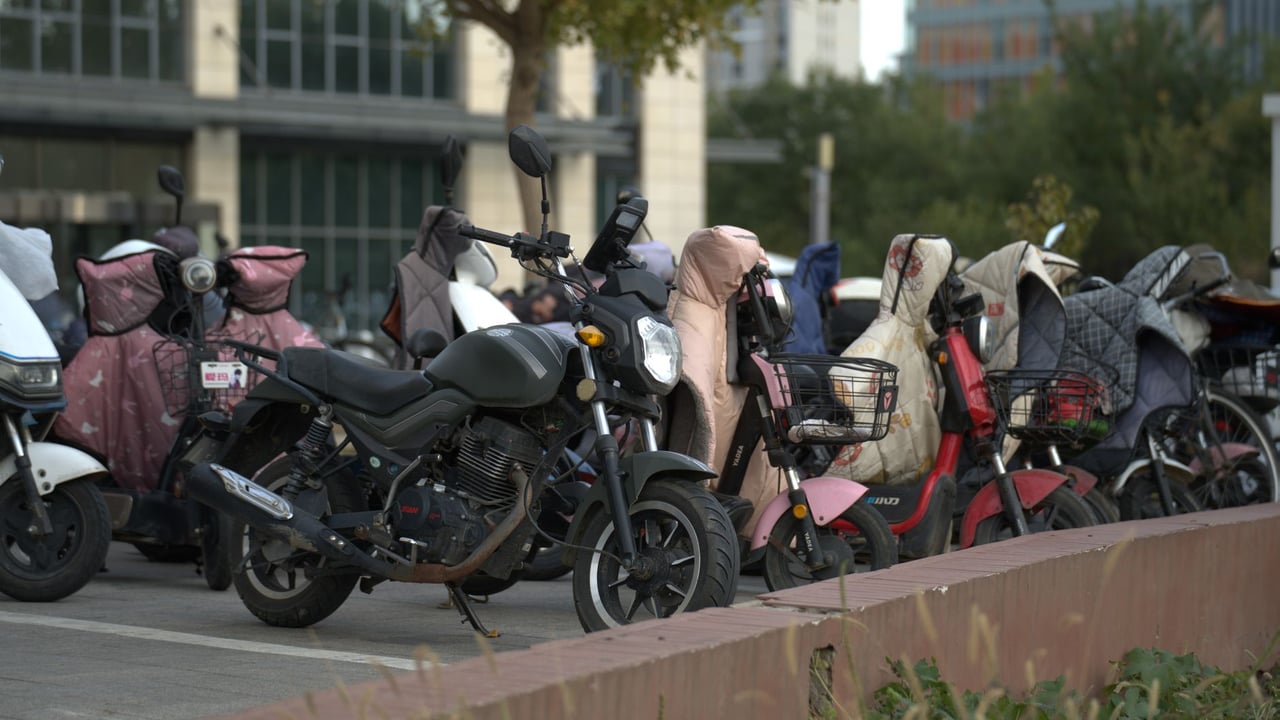

A midnight blaze in Xinmin, Liaoning province, has highlighted the growing risks associated with China’s ubiquitous electric two-wheelers. The incident began when a Yadea electric moped spontaneously combusted while parked, triggering a fire that gutted a neighboring Volkswagen Magotan and damaged three other vehicles. Official findings from the local fire department have attributed the fire to an electrical circuit failure within the Yadea moped, contradicting initial skepticism from the brand’s local dealership.
For the owner of the destroyed sedan, Mr. Chou, the incident has transitioned from a physical loss to a protracted financial dispute. Despite his car being only two years old and having relatively low mileage, the gap between market valuation and the cost of replacement remains wide. Mr. Chou is seeking 170,000 RMB (approximately $23,500) to cover the car and its high-end modifications, while the dealer’s offer has stalled at 140,000 RMB.
The rhetoric surrounding the negotiation has been particularly sharp, reflecting the friction often found in Chinese consumer rights disputes. A representative for the Yadea dealership expressed frustration with the victim’s demands, comparing the claim to asking for millions of dollars if a chicken were killed. This dismissive stance highlights a common hurdle for Chinese consumers: the difficulty of receiving compensation for 'soft costs' like interior upgrades and transportation expenses beyond the base market value of the asset.
As Yadea’s corporate headquarters intervenes, the case is being watched as a litmus test for brand accountability in the world’s largest electric two-wheeler market. While the company has reached settlements with other affected neighbors, the standoff with the primary victim underscores the systemic challenges in resolving product liability claims. With millions of similar mopeds parked in residential areas across China, the safety of these lithium and lead-acid battery systems remains a critical public concern.