
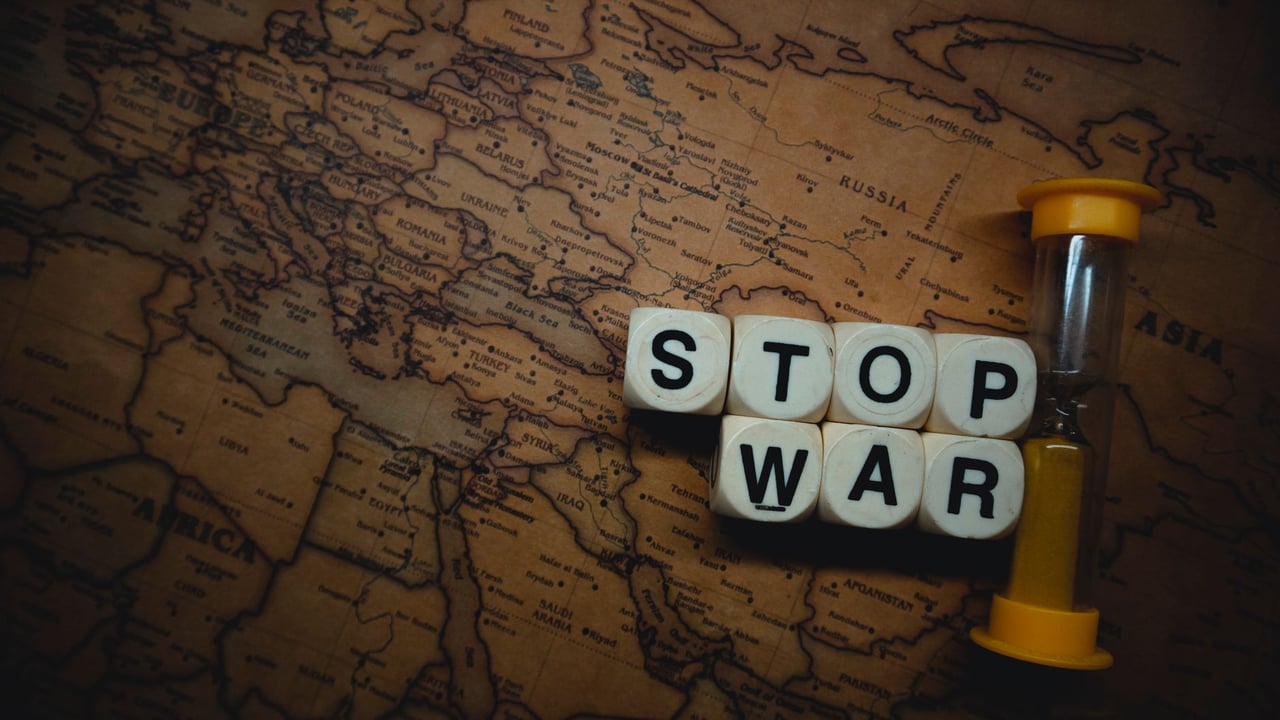

As the conflict between the United States and Iran enters its 96th day in June 2026, the theater of war has expanded beyond the initial maritime skirmishes to encompass the entire Persian Gulf. Recent strikes on Gheshm Island and retaliatory barrages against U.S. bases in Bahrain and Kuwait signal the definitive collapse of the fragile April ceasefire. What was once a series of sporadic tanker interceptions has devolved into a multi-front regional conflagration involving key Arab neighbors and intensifying Israeli operations in southern Lebanon.
Inside Iran, the veneer of normalcy has shattered, replaced by a 'silent crisis' characterized by desperate survival tactics. In the markets of eastern Tehran, shopkeepers report a surge in the theft of high-value essentials like canned tuna, while a revival of the traditional 'credit culture' sees the middle class borrowing against future earnings just to secure basic bread and cheese. The economic toll is staggering, with inflation exceeding 50 percent and the rial's value in a state of freefall, forcing families to abandon meat and meat products for a diet of starch and tea.
Beyond the grocery aisles, the physical destruction of Iran’s industrial heartland presents a long-term existential threat to the state. Estimates suggest that more than 20,000 industrial enterprises have been destroyed, effectively wiping out 50 percent of the domestic labor market. Key sectors like steel and petrochemicals—the backbone of Iran's upstream economy—have been decimated by targeted aerial campaigns, leaving millions of workers to compete for menial labor in the few remaining agricultural sectors.
This domestic devastation has paradoxically narrowed the path for diplomacy rather than widening it. The reformist faction, led by figures like President Pezeshkian and former Foreign Minister Javad Zarif, has been marginalized as the Revolutionary Guard assumes total control over both the front lines and the 'shadow economy.' The Iranian public, once hopeful that the U.S. would avoid targeting civilian infrastructure during cultural milestones like Nowruz, has grown cynical as bombs fell on residential blocks, leading to a widespread belief that peace is no longer a viable prospect.
Strategic decision-making in Tehran is now inextricably linked to the 'Axis of Resistance' and the deteriorating situation in Lebanon. Following the Israeli occupation of nearly 20 percent of Lebanese territory, Tehran has suspended all indirect negotiations with Washington, threatening to open new fronts in the Red Sea and the Strait of Hormuz. For the hardline leadership, the conflict is no longer just about survival; it is a high-stakes gambit to leverage regional instability into a more favorable strategic position, even at the risk of the country becoming a failed state.