
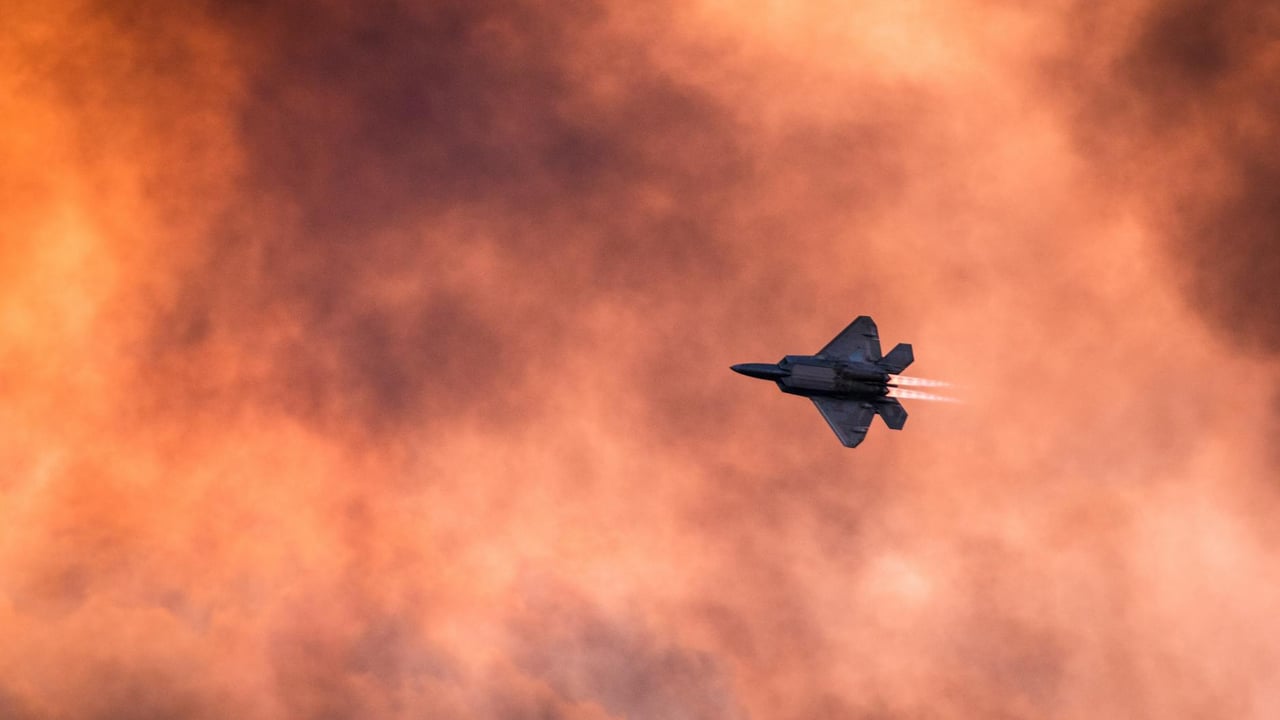

In the high-stakes theater of modern aerial warfare, survival is usually measured in milliseconds and the reliability of one's equipment. For one American aviator, the margin of error was tested twice in just over a month, revealing uncomfortable truths about the reliability of regional alliances and the complexities of integrated air defense systems in the Middle East.
The revelation that a U.S. pilot was downed twice within a five-week window—with the first incident involving a mistaken engagement by Kuwaiti forces—serves as a stark reminder of the 'fog of war' that persists despite multi-billion dollar investments in tactical data links. This 'blue-on-blue' incident highlights a critical failure in the Identification Friend or Foe (IFF) protocols that are supposed to govern the crowded airspace of the Persian Gulf.
While the pilot’s survival is a testament to the durability of modern ejection technology and the efficiency of search-and-rescue teams, the recurring nature of these incidents points to a systemic fragility. When regional partners act on hair-trigger responses, the resulting friendly fire does more than just destroy expensive hardware; it erodes the foundational trust required for effective coalition operations in high-tension zones.
These developments come at a time when the region is witnessing an unprecedented density of autonomous and semi-autonomous air defense systems. The inability of these systems to consistently distinguish between hostile threats and friendly sorties suggests that the technical integration promised by U.S. Central Command remains an aspirational goal rather than a battlefield reality, posing a significant risk to future air superiority.