
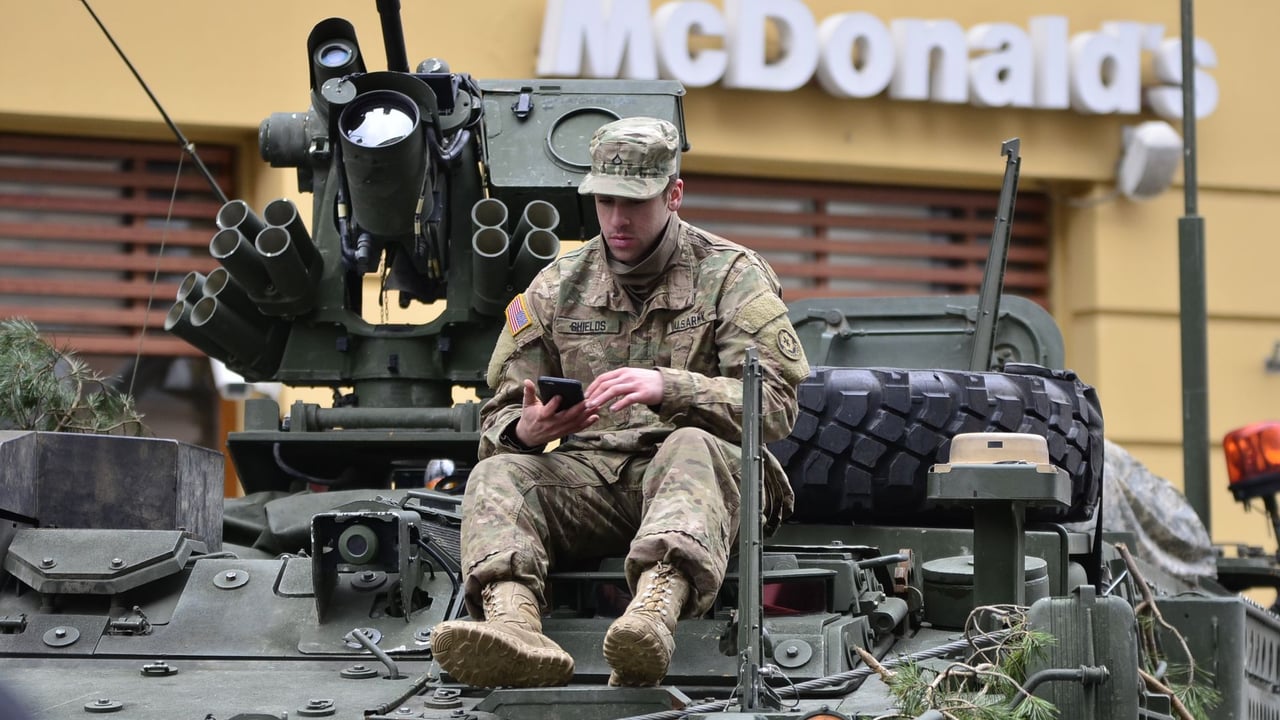

In a milestone for modern tactical evolution, the United States military has conducted its first practical field test of "robotic assault" tactics during a series of recent joint maneuvers. These exercises, which moved beyond simulation into real-world terrain, signal a fundamental change in how the Pentagon envisions the "first contact" phase of ground combat.
Traditionally, robotic systems in the field were relegated to surveillance or bomb disposal roles. This latest demonstration, however, saw autonomous and semi-autonomous platforms spearheading breaches against fortified positions, effectively replacing human infantry as the tip of the spear. This evolution aims to mitigate the high casualty rates historically associated with the initial stages of urban and trench warfare.
The integration of these platforms into joint exercises reflects a broader strategic urgency to prepare for near-peer conflicts where electronic warfare and high attrition rates are expected. By utilizing "robot-first" protocols, commanders are exploring ways to preserve human capital while maintaining a relentless operational tempo that would exhaust conventional human units.
This shift also underscores the Pentagon's commitment to the "Replicator" initiative, which seeks to field thousands of low-cost, autonomous systems across multiple domains. The success of these ground-based assault tests suggests that the future of the infantry squad may soon resemble a hybrid formation of human supervisors managing a suite of expendable robotic combatants.