The GPU Hunger: Parallel High-Tech’s $11 Million Bet on China's Computing Infrastructure

Chinese HPC provider Parallel High-Tech is investing over 81 million RMB in GPU servers and memory to expand its cloud computing capacity. The move underscores the persistent and growing demand for AI infrastructure in the Chinese market despite global supply challenges.

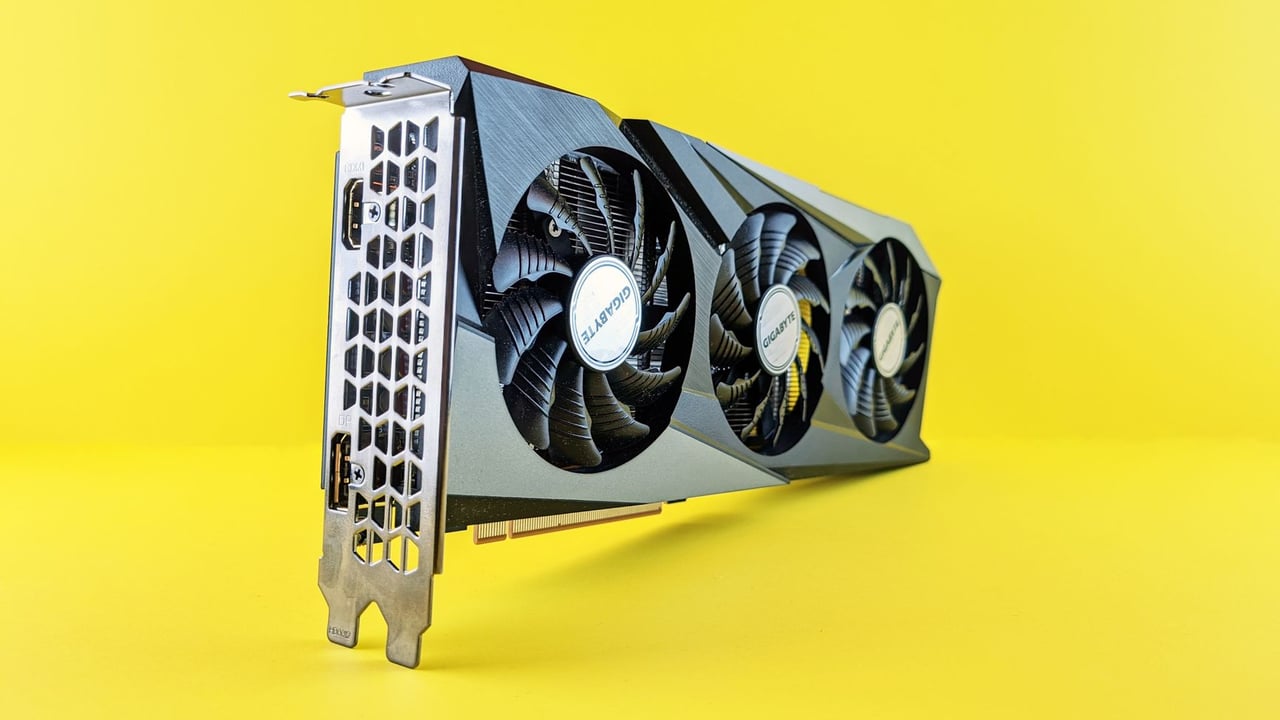
Close-up of a modern graphics card on a vibrant yellow background highlighting its design and technology.

Key Takeaways

  • 1Parallel High-Tech announced a procurement plan for GPU servers and memory totaling 81.63 million RMB.
  • 2The acquisition targets multiple suppliers to ensure a steady hardware pipeline and mitigate supply chain disruptions.
  • 3The investment is specifically aimed at meeting the computational demands of the domestic AI and high-performance computing sectors.
  • 4The move reflects a broader trend in China to treat 'computing power' as a vital utility for economic growth.

Editor's
Desk

Strategic Analysis

This procurement by Parallel High-Tech is a microcosm of China’s broader strategic pivot toward 'Computing Power as a Service' (CPaaS). By offloading the hardware burden from individual developers to centralized providers, China is attempting to maximize the efficiency of its existing chip stockpiles and domestic alternatives. The timing is particularly notable; as AI models transition from 100-billion to trillion-parameter scales, the bottleneck is no longer just the processor, but the memory and interconnects that link them. Parallel High-Tech's dual focus on servers and memory suggests they are preparing for a new generation of LLMs that require significantly higher data throughput. This 'infrastructure-first' approach is essential for China to remain competitive while it simultaneously works on the long-term goal of domestic semiconductor self-sufficiency.

China Daily Brief Editorial
Strategic Insight
China Daily Brief

Parallel High-Tech, a prominent player in China’s high-performance computing (HPC) sector, has announced a significant procurement plan to bolster its infrastructure. The company intends to spend up to 81.63 million RMB (approximately $11.3 million) on GPU-enabled computing servers and high-speed memory modules. This move, disclosed in a recent regulatory filing, signals a continued aggressive expansion of domestic compute capacity amid a global race for artificial intelligence supremacy.

The procurement strategy involves sourcing hardware from multiple suppliers, a tactic likely designed to mitigate supply chain risks and navigate the complexities of the current semiconductor market. By diversifying its vendors, Parallel High-Tech aims to secure the specialized hardware necessary to fuel the massive training requirements of large language models and other AI-driven applications that have become the centerpiece of China's digital economy.

As a provider of 'computing power as a service,' Parallel High-Tech occupies a critical niche in the Chinese tech ecosystem. Many mid-sized enterprises and research institutions, unable to maintain their own massive server farms, rely on Parallel’s infrastructure to run complex simulations and AI workloads. This investment ensures that the firm can meet the rising demand for low-latency, high-throughput processing power that the domestic market currently lacks.

This capital expenditure also highlights the ongoing hardware-centric phase of China's AI development. Despite international trade restrictions and export controls on high-end chips, domestic firms are finding ways to consolidate resources and expand their hardware footprints. The emphasis on both GPUs and memory suggests a focus on resolving the 'memory wall' and bandwidth bottlenecks that frequently hamper the performance of advanced AI clusters.

Share Article

Related Articles

📰
No related articles found