The Litani Gamble: Can a US-Brokered Truce Secure the Israel-Lebanon Border?

Israel and Lebanon have reached a conditional ceasefire agreement facilitated by the United States, requiring Hezbollah to withdraw its forces north of the Litani River. The deal aims to stabilize the northern border and prevent a full-scale regional war, though significant challenges remain regarding enforcement and compliance.

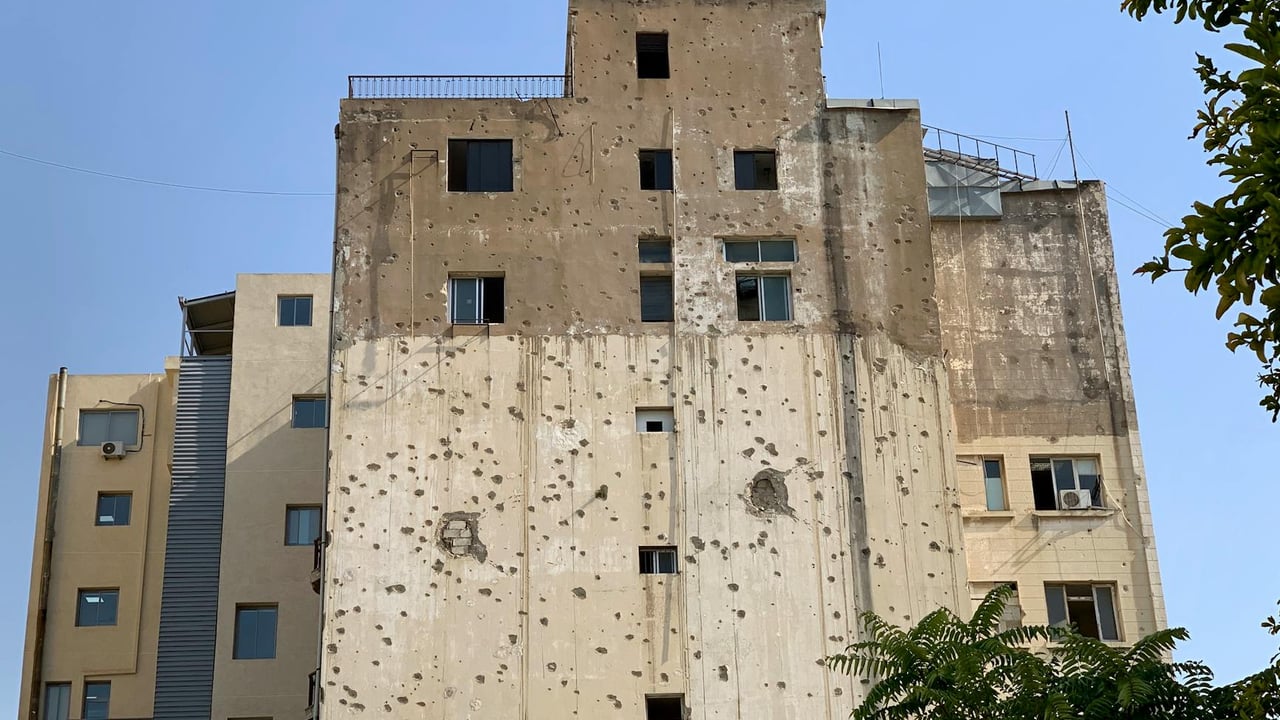
Old building facade in Beirut marked with bullet holes, showcasing war impact.

Key Takeaways

  • 1A joint statement by the US, Israel, and Lebanon confirms a conditional ceasefire agreement.
  • 2The primary condition requires Hezbollah to cease fire and withdraw forces north of the Litani River.
  • 3The deal was reached after extensive negotiations led by the United States.
  • 4The Litani River serves as a strategic buffer zone aimed at protecting northern Israeli communities.
  • 5Failure to comply with the withdrawal terms likely risks a resumption of high-intensity conflict.

Editor's
Desk

Strategic Analysis

The 'Litani Line' is a recurring geopolitical phantom in Middle Eastern diplomacy, echoing the unfulfilled promises of UN Resolution 1701 from two decades ago. While this agreement signals a mutual desire for a tactical pause, it lacks a robust, independent enforcement body to ensure Hezbollah does not simply move its infrastructure underground or return after a short interval. For Israel, the agreement is a 'trust but verify' scenario where the immediate priority is the return of displaced citizens to the north. For Hezbollah, the decision to withdraw would be a major blow to its domestic narrative of 'resistance,' suggesting that the group or its patrons in Tehran may be feeling the strain of prolonged attrition. Ultimately, this truce is more of a regional pressure-release valve than a permanent settlement.

China Daily Brief Editorial
Strategic Insight
China Daily Brief

Washington’s diplomatic machinery has achieved a rare breakthrough in the Levant, securing a conditional ceasefire agreement between Israel and Lebanon. Announced via a joint statement on June 3, 2026, the deal represents months of grueling negotiations aimed at decoupling the northern front from broader regional hostilities. However, the agreement is far from a finalized peace, resting on a precarious framework that places the burden of compliance squarely on Hezbollah.

The crux of the arrangement hinges on a significant territorial retreat by Lebanon's most powerful non-state actor. For the ceasefire to hold, Hezbollah must not only cease all cross-border fire but also withdraw its armed personnel and infrastructure to the north of the Litani River. This geographic boundary, located roughly 18 miles from the Israeli border, has long been the elusive centerpiece of the international community's attempts to stabilize the region.

By demanding a Litani withdrawal, Jerusalem and Washington are seeking to create a buffer zone that physically prevents elite units from launching ground incursions or short-range anti-tank strikes. For the Lebanese government, the deal offers a desperate reprieve from the crippling structural damage and displacement caused by sustained bombardment. Yet, the enforcement mechanism remains the primary concern, as the Lebanese Armed Forces have historically struggled to maintain exclusive control over the south.

The success of this truce will be a litmus test for American influence in a region increasingly shaped by non-state actors and proxy networks. If Hezbollah complies, it marks a historic strategic concession; if it refuses, the failure will likely trigger a full-scale Israeli ground maneuver to enforce the buffer zone by force. This moment represents a high-stakes pivot point where the choice between a managed de-escalation and total war hangs on the movement of troops across a river.

Share Article

Related Articles

📰
No related articles found