
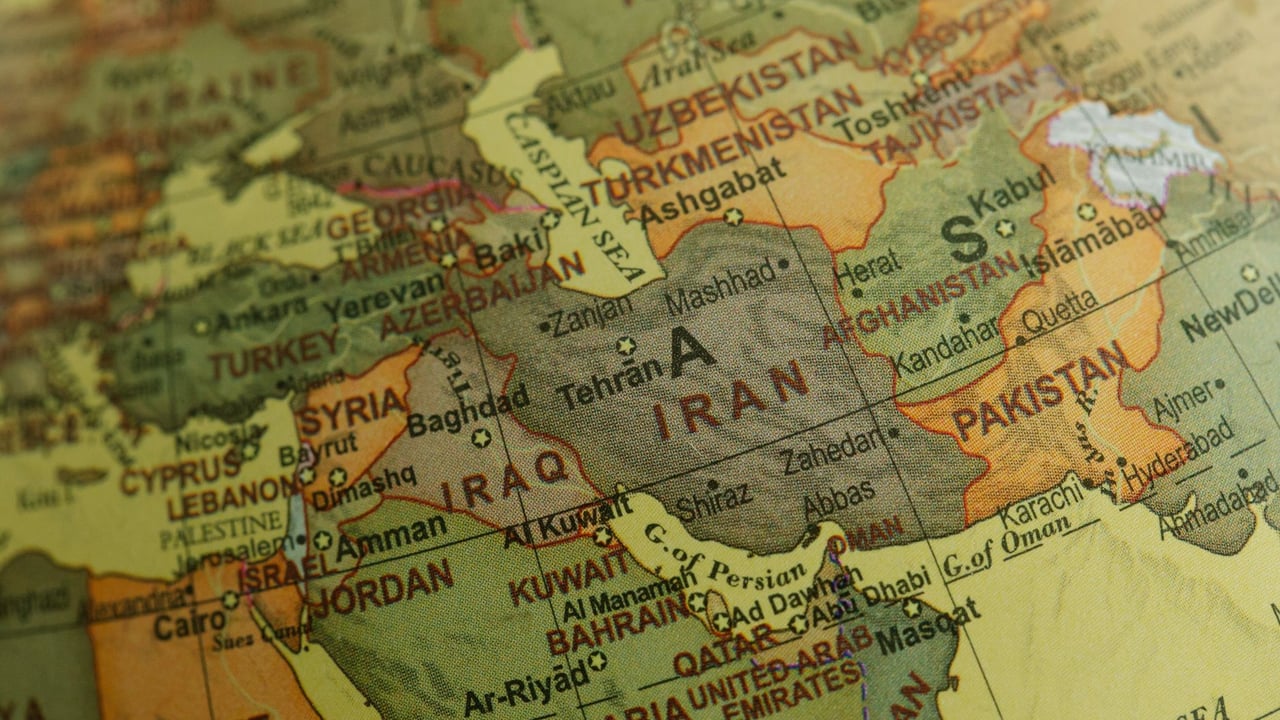

In a move that underscores the deepening military and ideological coordination within the so-called "Axis of Resistance," Yemen’s Houthi rebels have issued a robust defense of Iran’s recent retaliatory measures against the United States. The group, officially known as Ansar Allah, praised Tehran's military posture, claiming that Iranian intervention was the decisive factor in deterring a potential Israeli assault on the Lebanese capital, Beirut. This alignment signals a maturing strategic partnership that transcends localized conflict in favor of a unified regional front.
This statement reflects more than simple solidarity; it signals a coordinated narrative effort to portray Iran as the primary guarantor of regional stability against Western and Israeli pressure. By explicitly linking Iranian military actions to the safety of Beirut, the Houthis are attempting to validate Tehran’s "forward defense" strategy. This doctrine relies on a network of non-state actors to project power and create a deterrent buffer far beyond Iran's sovereign borders.
Furthermore, the Houthi leadership turned its sights on neighboring Gulf states, criticizing the continued presence of American military installations in the region. The rebels alleged that these bases serve as launchpads for operations targeting sovereign nations, accusing host countries of hypocrisy. The Houthis argued that while these states facilitate foreign military intervention, they simultaneously attempt to cast themselves as victims of Iranian regional ambitions.
The timing of this declaration, issued amid a backdrop of high-stakes brinkmanship between Washington and Tehran, highlights the Houthis' evolving role as a regional provocateur. No longer confined to the internal dynamics of the Yemeni civil war, the group is increasingly positioning itself as a central pillar of the Pan-Islamic resistance. Their public praise for forces in Lebanon, Palestine, and Iraq suggests a high degree of confidence in the resilience of this cross-border military network.