
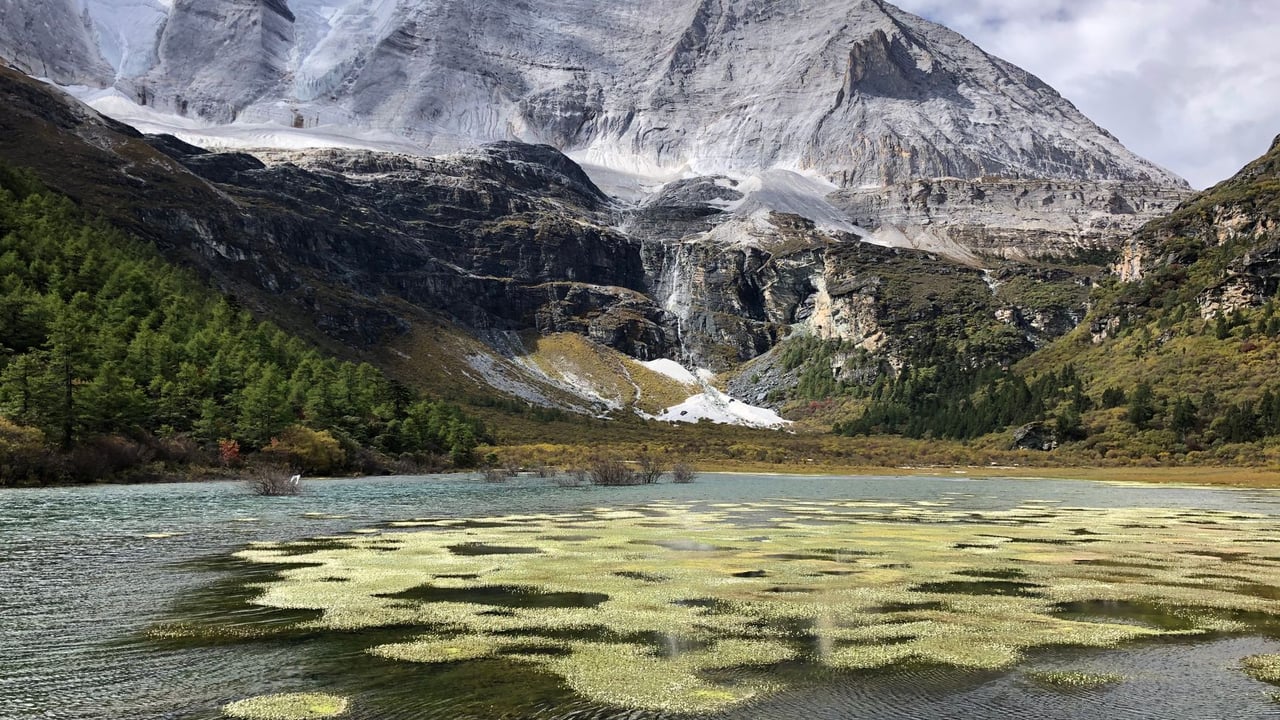

For travelers seeking the pristine landscapes of Sichuan’s Daocheng Yading, often dubbed the ‘Last Pure Land on Earth,’ the journey has recently been marred by a more earthly concern: a 120-yuan toll. A provincial investigation is currently underway following public outcry over the discovery that the scenic area’s management had effectively ‘intercepted’ a 38-kilometer stretch of Provincial Road S462. By blocking public access to this highway, the scenic area forced visitors onto mandatory shuttle buses, transforming a taxpayer-funded road into a private revenue stream.
The scale of this operation is not merely administrative; it is a massive fiscal engine. In 2023, while ticket sales generated 146 million RMB, the mandatory shuttle bus fees brought in over 120 million RMB, accounting for nearly half of the area’s core operational revenue. This ‘shuttle bus economy’ has become a critical lifeline for the local government. In Daocheng County, where tourism-related activities drive over 70 percent of the GDP, the pressure to maximize per-visitor spend has overridden the legal protections of public infrastructure.
Technically, the road in question began as a village track built by local residents before being upgraded with provincial funds. In 2022, it was officially designated as Provincial Road S462. However, the management structure remained in a legal grey area, allowing a state-owned company—controlled by the Ganzi Prefecture and Daocheng County governments—to maintain checkpoints and charge for passage. Legal experts point out that the Highway Law of the People's Republic of China strictly prohibits any entity from setting up unauthorized roadblocks or charging fees on public highways, yet the practice persisted for years under the guise of ‘environmental protection.’
The controversy highlights a growing rift in China’s domestic tourism model. While the central government has pressured 5A-rated scenic spots to lower entry ticket prices to stimulate consumption, local authorities have frequently circumvented these caps by inflating ‘secondary’ costs like shuttle buses and cable cars. At Daocheng Yading, the cost of a shuttle bus is significantly higher than at other high-altitude parks like Huanglong, suggesting that the pricing is driven by profit margins rather than the actual cost of transport.
As of late May, provincial authorities have ordered a suspension of the shuttle fees and are reviewing the boundary between public roads and scenic property. This case serves as a warning to other regions that have grown overly reliant on ‘enclosure-style’ tourism. For Daocheng Yading, the challenge will be to balance its desperate need for fiscal revenue with the legal rights of the public to access national infrastructure, a balance that is currently tipped heavily in favor of the local treasury.