
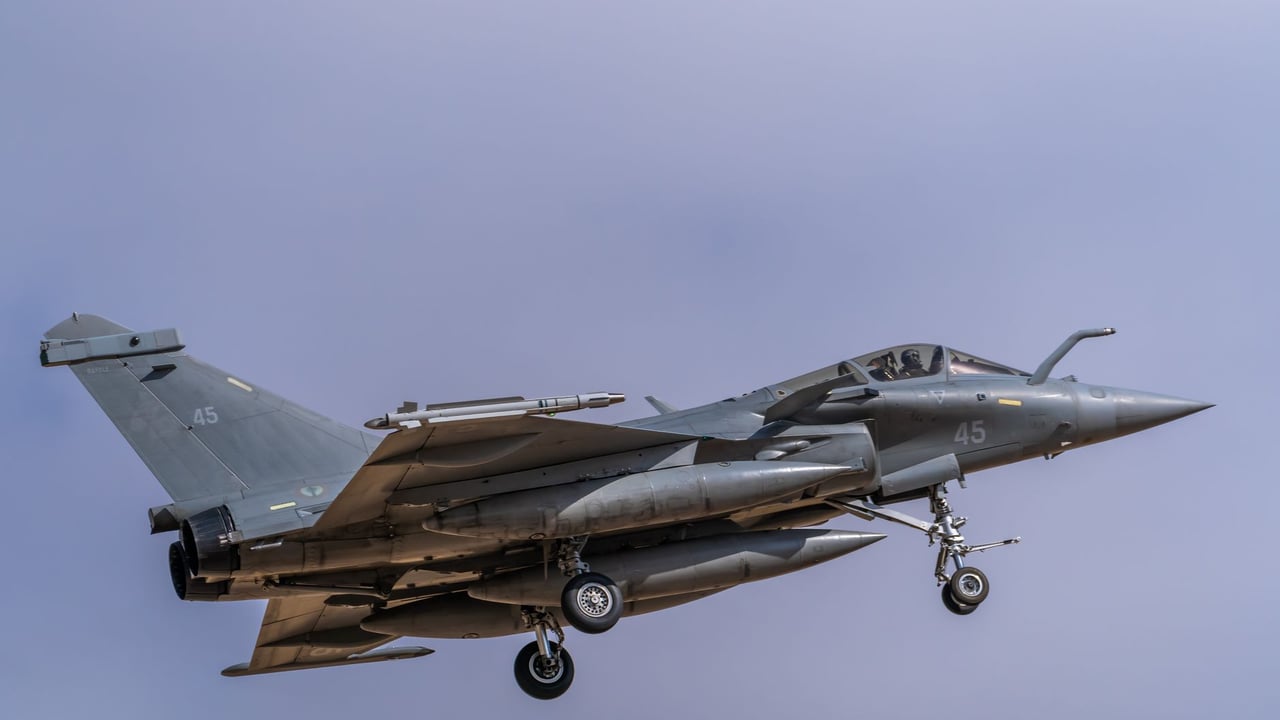

New Delhi is doubling down on its bet on French aerospace engineering as the Indian Air Force (IAF) struggles to reverse a precipitous decline in its combat readiness. The Indian Ministry of Defense has formally submitted an Expression of Interest for 114 Dassault Rafale fighters, a deal estimated to be worth a staggering $34 billion. This massive procurement follows years of procurement paralysis and a widening gap in regional aerial capabilities.
The IAF is currently operating with just 29 fighter squadrons, far below its sanctioned strength of 42. With the recent retirement of the venerable MiG-21 fleet and another 250 aging airframes set to leave service over the next 15 years, the force faces an existential numbers game. While the Rafale is a proven 4.5-generation multi-role platform, this multi-billion dollar injection is essentially a high-priced stopgap for a crisis decades in the making.
Industrial friction remains a significant hurdle despite the deal’s momentum. New Delhi is demanding a 50% localization rate and the transfer of core technical secrets, including fighter source codes, to facilitate indigenous upgrades and weapon integration. However, Paris has remained firm on protecting its intellectual property, leaving a critical gap between India’s desire for strategic autonomy and France’s commercial interests.
India’s perennial struggle to modernize its fleet is compounded by the sluggish progress of domestic programs like the Tejas Light Combat Aircraft. Repeated delays by state-owned Hindustan Aeronautics Limited (HAL) have forced the military to look abroad, even as the government champions its 'Make in India' initiative. The slow development of the fifth-generation Advanced Medium Combat Aircraft (AMCA) further highlights the technological chasm that New Delhi has yet to cross.
Geopolitical realities have narrowed India’s options, making the French deal a choice of necessity. Russia, a traditional partner, is currently bogged down by the war in Ukraine and faces production constraints, while American offerings often come with restrictive political strings that New Delhi finds unpalatable. The Rafale represents a middle path that offers technological parity without the overbearing oversight often associated with Washington’s defense exports.