The End of the Free Ride: China Realigns its Tax Code for the EV Era

China is restructuring its tax regime for electric vehicles as the industry transitions from a subsidized infant sector to a dominant market force. To address shrinking road maintenance budgets and the increased wear-and-tear caused by heavy EV batteries, Beijing is beginning to phase out tax exemptions.

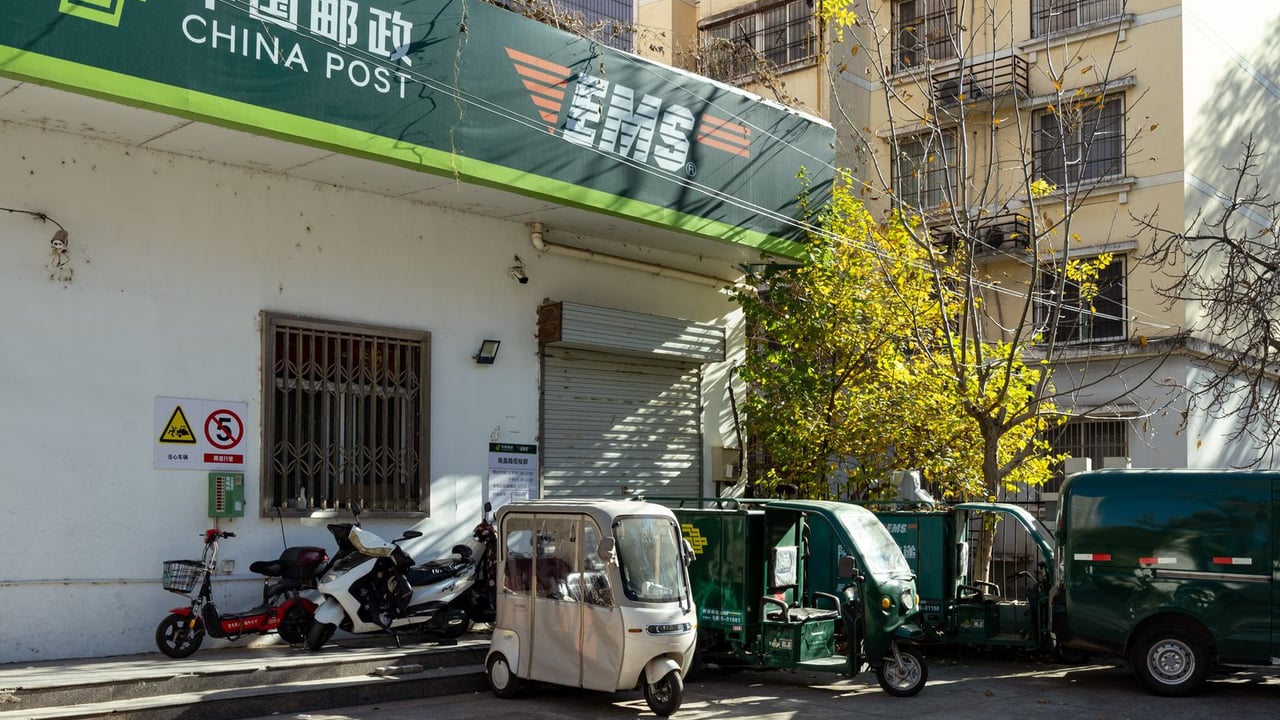
China Post office facade with delivery vehicles in Luoyang, Henan, China.

Key Takeaways

  • 1New Energy Vehicles (NEVs) have crossed the 50% penetration threshold in the Chinese market, rendering previous tax exemptions fiscally unsustainable.
  • 2The traditional road maintenance funding model, tied to fuel consumption taxes, is failing as EV adoption rises.
  • 3Phased-in Vehicle Purchase Taxes for NEVs began in 2024, leading to a 13.3% increase in related tax revenue during the first four months of the year.
  • 4Experts are proposing new fiscal tools, including mileage-based fees, weight-adjusted consumption taxes, and electricity surcharges specifically for vehicle charging.
  • 5The added weight of EV batteries is highlighted as a primary factor in accelerated road and bridge degradation.

Editor's
Desk

Strategic Analysis

This shift represents a pivotal moment in China’s industrial policy, marking the transition from the 'nurturing phase' to the 'normalization phase' of the electric vehicle sector. For years, the global narrative focused on China's massive subsidies; now, the focus shifts to how a dominant EV economy sustains itself without traditional fuel-tax revenue. This fiscal recalibration is a necessary 'growing pain' for the world's largest auto market. However, it also introduces a new risk: as the cost of ownership parity between EVs and internal combustion engines narrows due to these new taxes, the government must ensure that the green transition does not stall. This move will likely serve as a primary case study for Western nations currently grappling with their own 'EV tax gap' as they attempt to replicate China's electrification success.

China Daily Brief Editorial
Strategic Insight
China Daily Brief

For over a decade, China’s electric vehicle (EV) drivers have enjoyed a fiscal honeymoon. To catalyze the shift away from internal combustion engines, Beijing spared new energy vehicles (NEVs) from the taxes that traditionally funded the country’s massive road network. Today, with NEVs accounting for over half of all new car sales, the fiscal reality of this transition is catching up with local governments.

The funding mechanism for Chinese road maintenance has long relied on a consumption tax baked into the price of refined oil. Because EVs bypass the gas pump, they have effectively avoided contributing to the upkeep of the very infrastructure they utilize. This discrepancy has become unsustainable as traditional fuel tax revenue withers and the physical toll on roads increases due to the significant weight of EV batteries.

The shift began in earnest this year. For the first time, NEVs are no longer entirely exempt from the Vehicle Purchase Tax, as a phased reduction in tax breaks took effect. This policy shift contributed to a 13.3% year-on-year surge in purchase tax revenue through April, signaling that the era of the "free ride" is drawing to a close as the government seeks to plug widening budget deficits.

Chinese fiscal experts are now debating more sophisticated ways to ensure "user-pays" equity. Proposals range from consumption taxes targeting "overweight" luxury EVs to mileage-based fees facilitated by the digital connectivity already built into most Chinese smart cars. While these measures are technically feasible, they raise complex questions regarding data privacy and the delicate balance between revenue collection and maintaining the momentum of the green transition.

The challenge for Beijing lies in the timing. Moving too quickly to tax EVs could dampen consumer enthusiasm just as the industry enters a critical maturity phase. However, with some EVs weighing over two tons and causing exponentially more damage to asphalt and bridges than their lighter predecessors, the demand for a new, weight-sensitive fiscal framework is becoming a matter of structural necessity rather than choice.

Share Article

Related Articles

📰
No related articles found