China’s Pork Giant Under Fire: State Council Launches High-Level Probe into Shuanghui Antibiotic Scandal

The Chinese State Council has launched a multi-ministerial investigation into Shuanghui, the country's top pork producer, following reports of antibiotic levels exceeding limits by 38 times. The high-level probe involving the police suggests potential criminal charges and highlights Beijing's 'zero tolerance' stance on food safety violations.

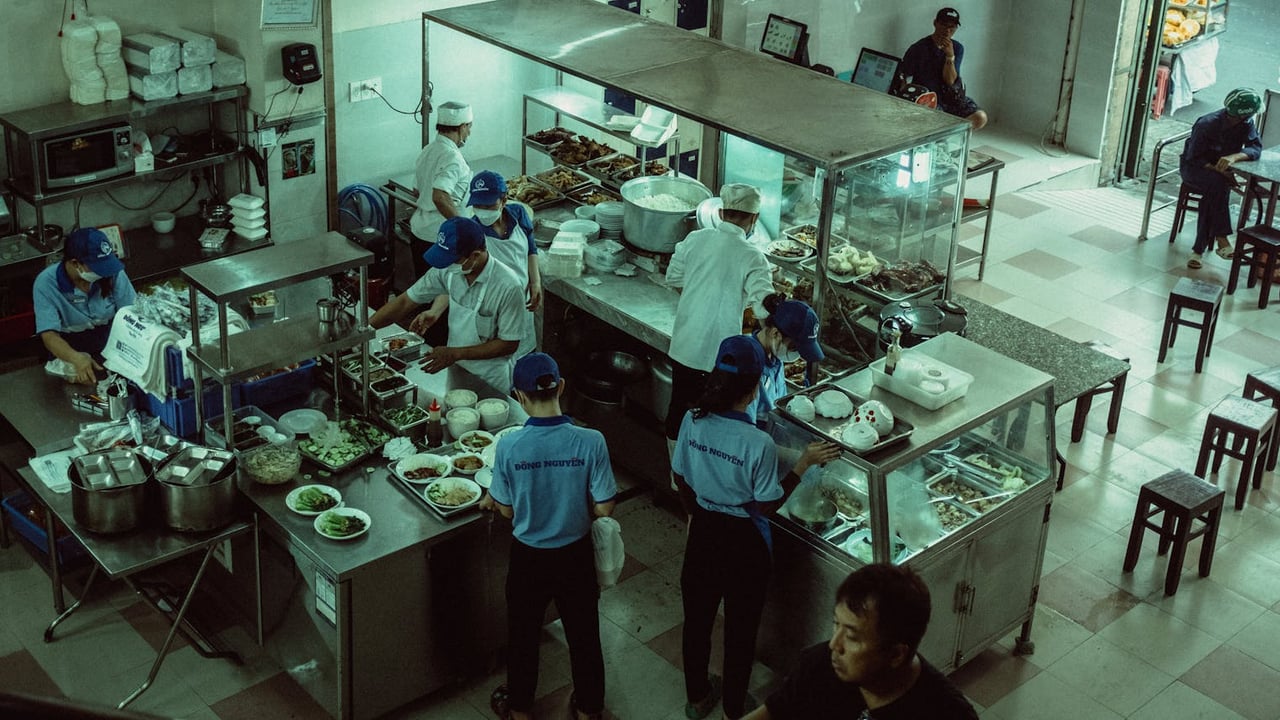
Chefs preparing meals in a local eatery kitchen, seen from above.

Key Takeaways

  • 1The State Council Food Safety Office has formed a task force with the Ministry of Public Security and other agencies to investigate Shuanghui.
  • 2Pork from the Wangkui Shuanghui subsidiary reportedly contained antibiotic residues 38 times above the permitted threshold.
  • 3The involvement of the Ministry of Public Security indicates that the investigation could lead to criminal prosecutions for those involved in the supply chain.
  • 4This scandal poses a significant reputational risk to WH Group, the parent company of Shuanghui and the world's largest pork processor.
  • 5The move underscores the Chinese government's commitment to food safety as a critical pillar of social and political stability.

Editor's
Desk

Strategic Analysis

The central government’s decision to bypass local authorities and lead the investigation from the State Council level suggests a lack of trust in regional oversight and a need to demonstrate 'decisive action' to a skeptical public. Food safety in China is no longer just a regulatory hurdle; it is a metric of governance. For a company as large as Shuanghui, an antibiotic violation of this magnitude suggests a breakdown in internal quality control that could lead to broader industry-wide inspections. This will likely result in increased compliance costs for the agricultural sector and may accelerate the consolidation of the pork industry as the government seeks easier-to-regulate, vertically integrated supply chains. Strategically, this also serves as a warning to other conglomerates that their 'too big to fail' status does not grant them immunity from Beijing’s stringent safety standards.

China Daily Brief Editorial
Strategic Insight
China Daily Brief

China’s central government has moved with uncharacteristic speed to address a burgeoning food safety crisis involving the nation’s largest pork processor. The State Council’s Food Safety Office announced the formation of a high-level task force to investigate reports of excessive antibiotic levels in products from a Shuanghui subsidiary in Wangkui. This multi-agency coalition includes the Ministry of Public Security, the Ministry of Agriculture and Rural Affairs, and the State Administration for Market Regulation, signaling that the investigation may carry criminal implications rather than mere administrative penalties.

The intervention follows reports that pork samples from the Wangkui Shuanghui facility contained antibiotic residues nearly 38 times the legal limit. Such a massive deviation from safety standards has ignited public fury on social media, reminding consumers of past industry scandals. For Shuanghui, the domestic arm of the HK-listed WH Group—the world’s largest pork producer—this incident represents a significant blow to a brand that has spent years attempting to move past historical controversies like the 2011 clenbuterol scandal.

Beijing’s decision to elevate the investigation to the State Council level reflects the heightened political sensitivity surrounding food security and public health. In recent years, the central government has framed food safety as a 'bottom-line' issue for social stability, particularly as the country faces economic headwinds. By deploying the police alongside market regulators, the authorities are sending a clear message to corporate titans that industrial-scale negligence will be treated as a threat to national well-being.

The probe is expected to look beyond the Wangkui plant to examine systemic failures in Shuanghui’s supply chain management and local oversight. The case highlights the persistent difficulty of regulating a fragmented agricultural sector where the pressure for high yields often leads to the misuse of veterinary drugs. For global investors in WH Group, the investigation serves as a stark reminder of the regulatory risks inherent in the Chinese market, where even the largest players remain vulnerable to swift and severe central government intervention.

Share Article

Related Articles

📰
No related articles found