
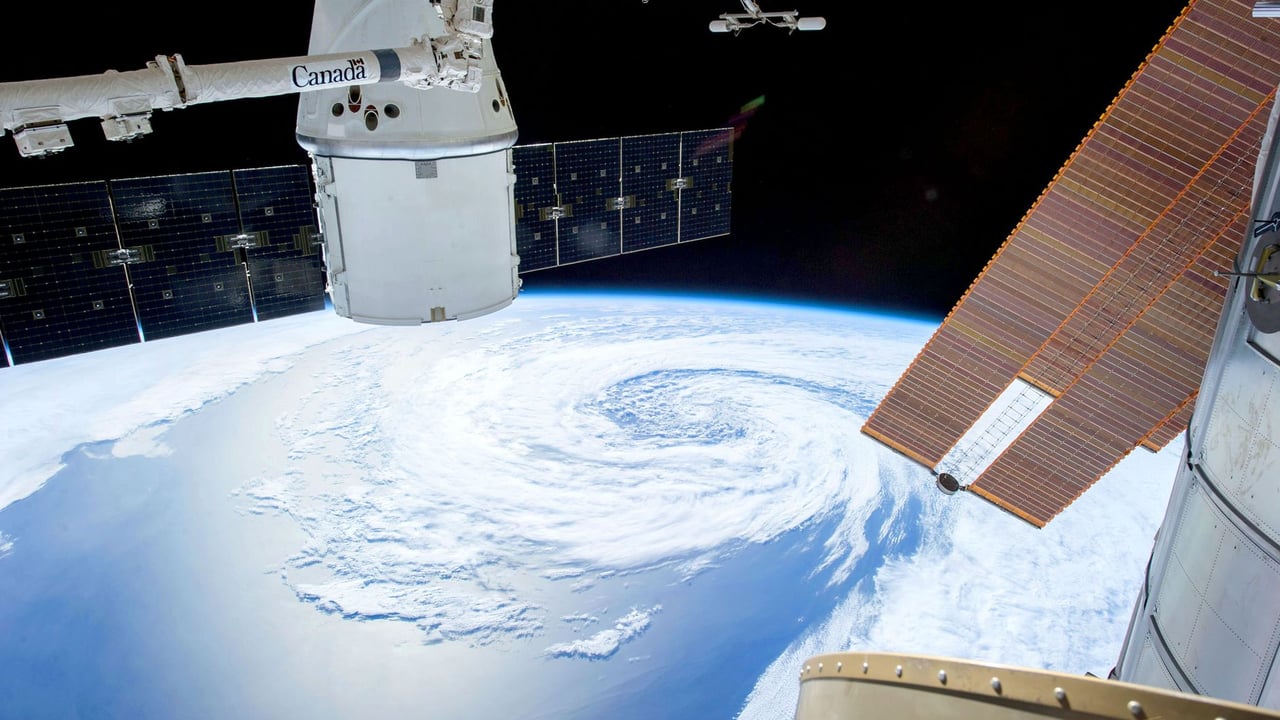

The International Space Station (ISS) has entered a state of heightened alert as a persistent air leak in the Russian Zvezda module reached critical levels, forcing crew members to retreat into their respective transport spacecraft. This "shelter-in-place" protocol is the standard emergency response to a sudden loss of atmospheric pressure, ensuring that astronauts can evacuate immediately if the station’s integrity fails. While mission controllers in Houston and Moscow are coordinating a response, the severity of this latest incident suggests a troubling acceleration in the station’s structural degradation.
Leaks in the Zvezda transfer tunnel have been a recurring headache for years, but recent data indicates the rate of air loss has increased significantly. Despite numerous attempts to seal microscopic cracks with specialized tape and epoxy, the aging hardware is showing signs of terminal fatigue. Engineers are now faced with the difficult task of isolating the leaking segment without compromising the station's overall power and life-support systems, which are intricately linked across various national modules.
This crisis arrives at a precarious moment for international space diplomacy. As terrestrial tensions between the West and Russia continue to simmer, the ISS has remained a rare, if strained, bastion of cooperation. However, the physical reality of a crumbling multi-billion-dollar laboratory may soon force a diplomatic conclusion that politics could not—the permanent abandonment of the orbital outpost before its planned 2030 retirement.
The impending retirement of the ISS looms large over these emergency procedures. NASA is increasingly looking toward commercial partners to fill the void, but those platforms are not yet ready for full-scale operation. If the current leak cannot be stabilized, it could accelerate the timeline for de-orbiting the station, potentially leaving a gap in Western presence in low-Earth orbit just as China’s Tiangong station matures.