The Limits of ‘Light’: CCCC Real Estate’s Brutal Pivot and Leadership Crisis

CCCC Real Estate’s shares hit their downward limit and its Chairman resigned just one day after the company narrowly avoided delisting. The firm is struggling to convince investors of its long-term viability as it pivots from traditional property development to a low-revenue, service-based business model.

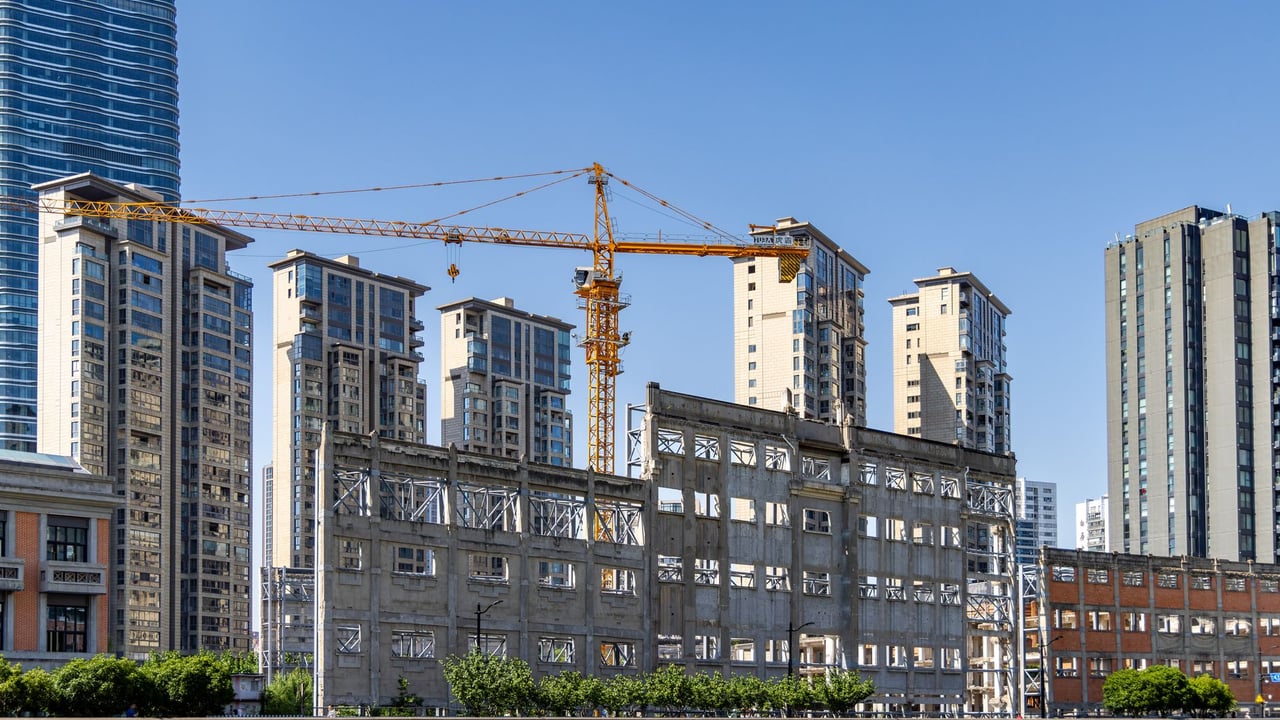
Urban redevelopment featuring cranes and high-rise buildings under a clear blue sky.

Key Takeaways

  • 1Chairman Wang Yao resigned after less than nine months, leaving the company during a critical structural transition.
  • 2The stock plummeted 10.04% immediately after the 'ST' delisting risk tag was removed and trading resumed.
  • 3Q1 2026 revenue dropped by 97.04% as a direct result of divesting the core property development business.
  • 4The company is pivoting to property management and asset operation to escape the debt-laden real estate development cycle.
  • 5Net assets returned to positive territory in late 2025, but market confidence remains at an all-time low.

Editor's
Desk

Strategic Analysis

The saga of CCCC Real Estate is a cautionary tale for the 'New Normal' in Chinese real estate. The transition to a 'light-asset' model—moving from building homes to managing them—is often presented as a panacea for debt-stricken firms, but the transition period is proving to be a financial desert. This case illustrates a 'survival at all costs' mentality where a state-linked firm sacrifices 97% of its top-line growth to clean up its balance sheet and maintain its listing status. The sudden departure of the Chairman suggests internal friction or a lack of confidence in the scalability of the new model. For global investors, this signals that even when Chinese developers 'stabilize,' they may emerge as significantly smaller, less profitable entities that offer little upside compared to their former iterations.

China Daily Brief Editorial
Strategic Insight
China Daily Brief

For CCCC Real Estate, the celebration of avoiding a corporate death sentence lasted less than twenty-four hours. After successfully petitioning to remove its '退市风险警示' (delisting risk warning) and shedding the dreaded *ST prefix, the company’s stock immediately plunged by the 10% daily limit. The market's harsh verdict was compounded by a leadership vacuum: Chairman Wang Yao resigned unexpectedly after less than nine months in the role, citing personal reasons just as the firm’s radical restructuring reached a critical juncture.

This volatility underscores the immense friction involved in the 'light-asset' transition currently sweeping through China’s embattled property sector. Once a traditional developer reliant on high-leverage growth, CCCC Real Estate has spent the past year aggressively offloading its property development arm. The strategy aims to transform the firm into a service-oriented platform focused on property management and asset operations, effectively insulating the listed entity from the systemic risks of the broader housing market slump.

The financial cost of this surgery is staggering. First-quarter revenue for 2026 collapsed by over 97% year-on-year, falling to a mere 348 million yuan. While the company managed a razor-thin profit of 3.4 million yuan, the sheer scale of the revenue contraction highlights the difficulty of replacing massive development sales with the steady but modest income of fee-based services. Although property management revenue grew by 43%, it remains a drop in the bucket compared to the capital-intensive cycles of the past.

Investors remain deeply skeptical of whether these 'zombie' developers can find a sustainable second act. By stripping away development assets, CCCC Real Estate has essentially shrunk its way to survival. However, the immediate limit-down on the stock and the departure of a high-profile chairman suggest that while the company may have secured its listing, it has yet to secure a credible future in the eyes of the capital markets.

Share Article

Related Articles

📰
No related articles found