

The Middle East has reached a volatile inflection point as a fragile ceasefire window between Washington and Tehran gives way to a high-intensity direct confrontation. Recent drone strikes launched from Iran have targeted U.S. military positions across the Gulf, including a strike near Kuwait International Airport that resulted in significant structural damage and the tragic death of a civilian. While Kuwait has responded by expelling Iranian diplomats, the broader geopolitical reaction has been defined by an unprecedented reversal in American rhetoric.
In a departure from the 'maximum pressure' doctrine, Donald Trump has publicly characterized the Iranian strikes as a predictable response to initial American provocations. By admitting that U.S. forces struck first, the administration has effectively provided a degree of diplomatic cover for Tehran’s retaliation. This shift is not merely a gesture of goodwill but a calculated maneuver to protect a 60-day temporary peace memorandum currently under negotiation, which remains a cornerstone of the administration’s regional strategy.
This newfound restraint in Washington is heavily influenced by looming domestic pressures, specifically the upcoming midterm elections. A full-scale escalation in the Persian Gulf would inevitably lead to a blockade of the Strait of Hormuz, sending global oil prices skyrocketing and jeopardizing the U.S. strategic petroleum reserve. For the White House, securing a cooling-off period is a prerequisite for stabilizing the domestic economy and maintaining political leverage.
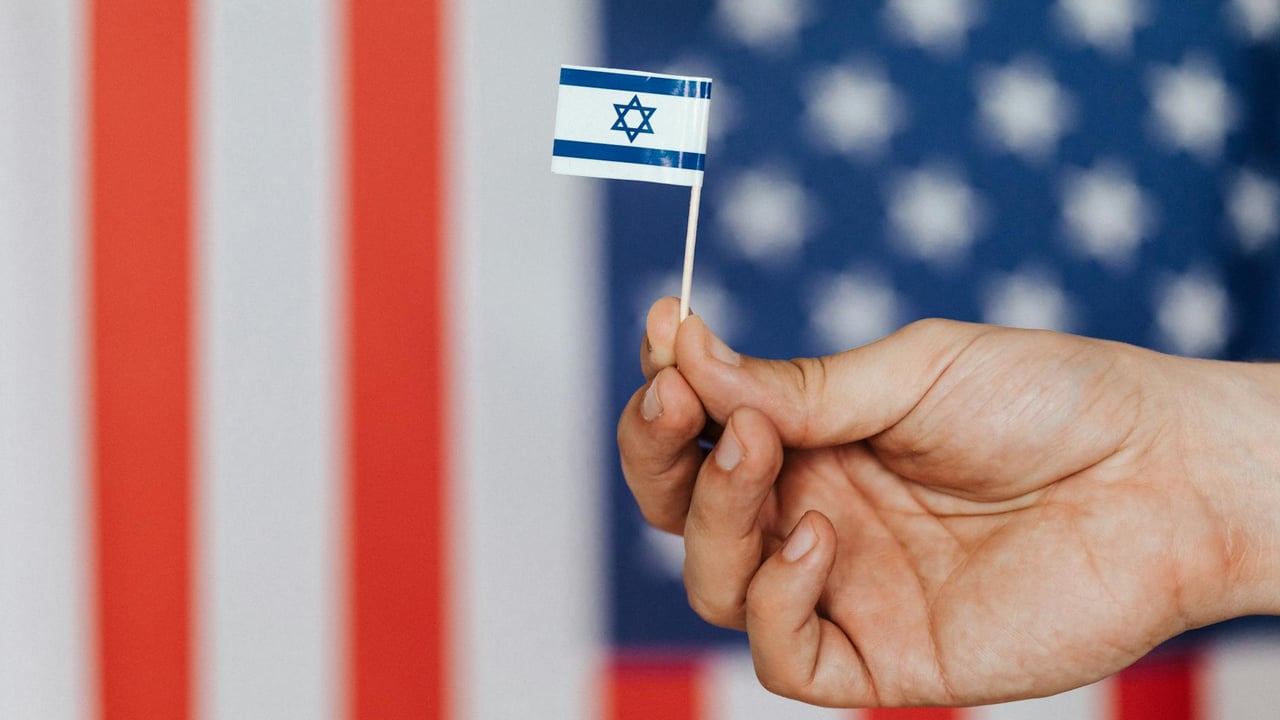
Meanwhile, the traditional U.S.-Israel alliance is facing a historic rupture. Reports indicate that the administration has expressed sharp frustration with Prime Minister Benjamin Netanyahu’s maneuvers in southern Lebanon and threats against Beirut. Trump has reportedly characterized the Israeli escalations as a direct threat to the broader U.S.-Iran peace deal, even invoking Netanyahu’s legal vulnerabilities as a point of leverage to force compliance with American regional objectives.
For Iran, the strategy has shifted from 'strategic patience' to one of aggressive reciprocity. Tehran has signaled that it will no longer rely on intermediaries to communicate its red lines, opting instead for direct military responses to any perceived violations of the ceasefire. This 'tit-for-tat' approach suggests that the era of Iran absorbing unilateral strikes without consequence has ended, as the leadership in Tehran seeks to negotiate with Washington from a position of perceived strength.
The resulting landscape leaves Israel in a strategic vacuum, caught between the risk of fighting a multi-front war without a guaranteed U.S. security umbrella and the prospect of a U.S.-Iran deal that ignores Jerusalem’s core security concerns regarding nuclear proliferation. As the 60-day memorandum nears a conclusion, the region remains a tinderbox where the costs of miscalculation are increasingly being borne by civilian infrastructure and regional stability.