
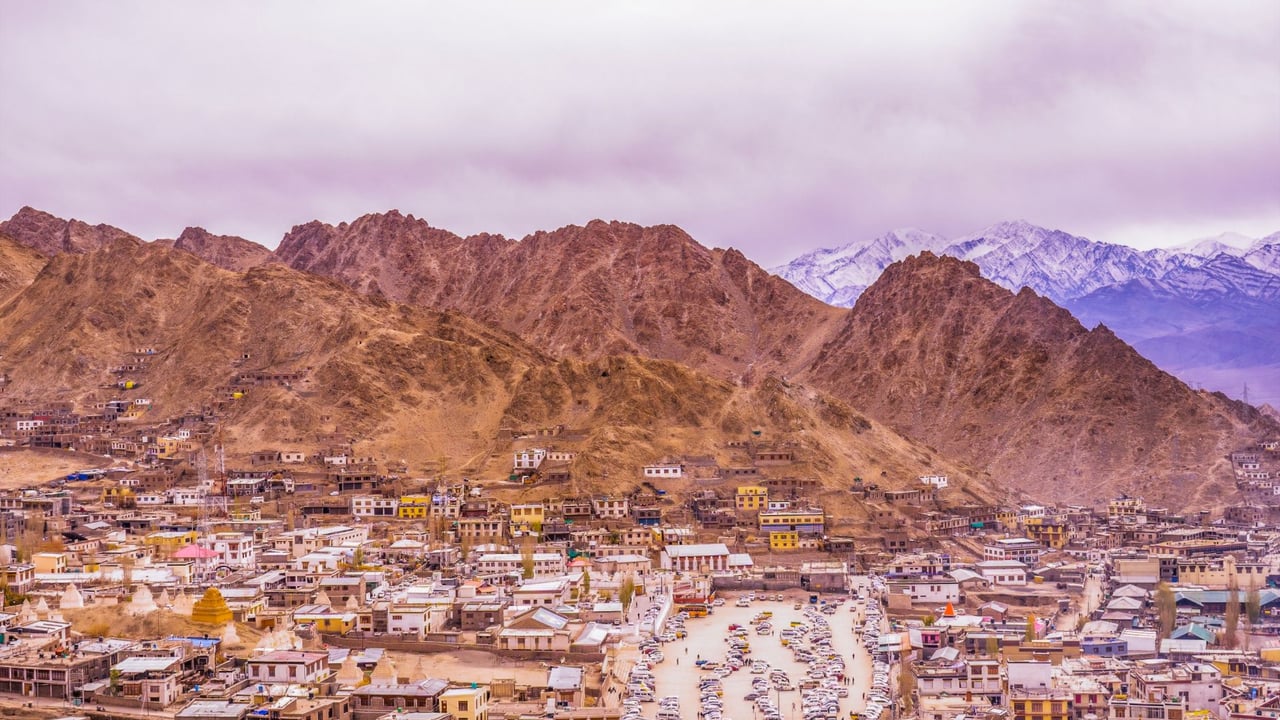

In the desolate, windswept reaches of Ladakh, the tiny village of Chumur—home to just 24 families—is being transformed into a high-tech outpost of Indian sovereignty. New Delhi has issued a strategic directive to modernize this hamlet by 2026, marking a significant escalation in its border management strategy against China. This move is the centerpiece of the "Vibrant Villages Program," an ambitious initiative designed to secure India's restive frontiers through permanent civilian settlement.
Chumur sits at an altitude where winter temperatures regularly plunge to -35 degrees Celsius, making year-round habitation a feat of physical endurance. Traditionally, the local population followed nomadic patterns, retreating during the harshest months and leaving a "population vacuum" that Indian strategists fear could be exploited. By providing passive solar housing and high-tech greenhouses, the government aims to anchor these residents to the land permanently.
The strategic logic behind this investment is clear: a settled civilian population acts as a tripwire and a logistical support base for the military. The Defense Institute of High Altitude Research is spearheading agricultural projects to ensure fresh produce for both locals and troops, creating a symbiotic economy. This "civil-military integration" reflects a growing recognition that territorial claims are best defended by inhabited communities rather than just isolated bunkers.
However, New Delhi’s ambitions face the harsh reality of India’s industrial and logistical limitations. Constructing modern infrastructure in such extreme environments is notoriously difficult, and skeptics question whether the 2026 deadline is a realistic goal or mere political signaling. Comparing these efforts to China’s more established and heavily funded border villages highlights a stark gap in execution and state capacity between the two Asian giants.
Beyond the physical challenges lies a deeper cultural conflict between the state and the local population. Forcing nomadic populations into a sedentary, subsidized existence risks erasing centuries of indigenous wisdom and traditional social structures. If the younger generation finds this state-mandated modernization stifling and migrates to urban centers, these villages may become expensive, empty shells—strategic "greenhouses" with no one left to guard them.